环境敏感性与地域文脉的深度融合:该项目最核心的亮点在于其对加拉尔达及埃兹科阿谷独特自然环境的尊重与积极融合。设计师通过对传统巴斯克-纳瓦拉“Caserío”农舍特征的深入研究,巧妙地将体量分解为两个背向布置的单元,并采用陡峭坡屋顶设计,这种形式语言不仅在视觉尺度上融入了乡村肌理,更通过材料的地域性选择(如热处理松木诠释的木瓦片)实现了与当地集体记忆的对话,展现了高超的场地精神把握能力。
功能布局的灵活性与包容性设计:项目在满足住宅需求的同时,高度关注居住品质和未来适应性。通过将每栋建筑的底层空间预留给公共用途,并确保每层仅设一套住宅,实现了居住单元的私密性与社区共享空间的平衡。尤其值得称道的是,室内设计遵循了最大程度的灵活性、中立性,并对所有空间进行了无障碍化设计,确保了设计的长久适用性和对不同生活方式的包容,体现了以人为本的建筑理念。
全方位的可持续性与构造精细化:该项目在可持续性上达到了被动式房屋标准,并超越了单纯的能效考量,涵盖了环境、社会和经济的多个维度。结构上采用交叉层压木材,保证了建筑的耐久性,同时优化了室内环境。此外,对自然采光和视野的极致追求,通过大型露台将室内外环境无缝连接,配合中性色彩的内装,赋予了居住者定义和个性化空间的自由,成功将技术性能与居住体验提升至同一高度。
The project established two core objectives: on the one hand, to achieve landscape integration with the carefully preserved environment of Garralda and the Aézcoa Valley; on the other hand, to create the highest possible residential quality for the proposed dwellings.
该项目设定了两大核心目标:一方面,要使其与加拉尔达(Garralda)及埃兹科阿谷(Aézcoa Valley)这般精心呵护的环境实现景观融合;另一方面,要打造出所提议住宅的最高居住品质。
© Alberto Amores
© Alberto Amores
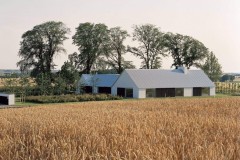
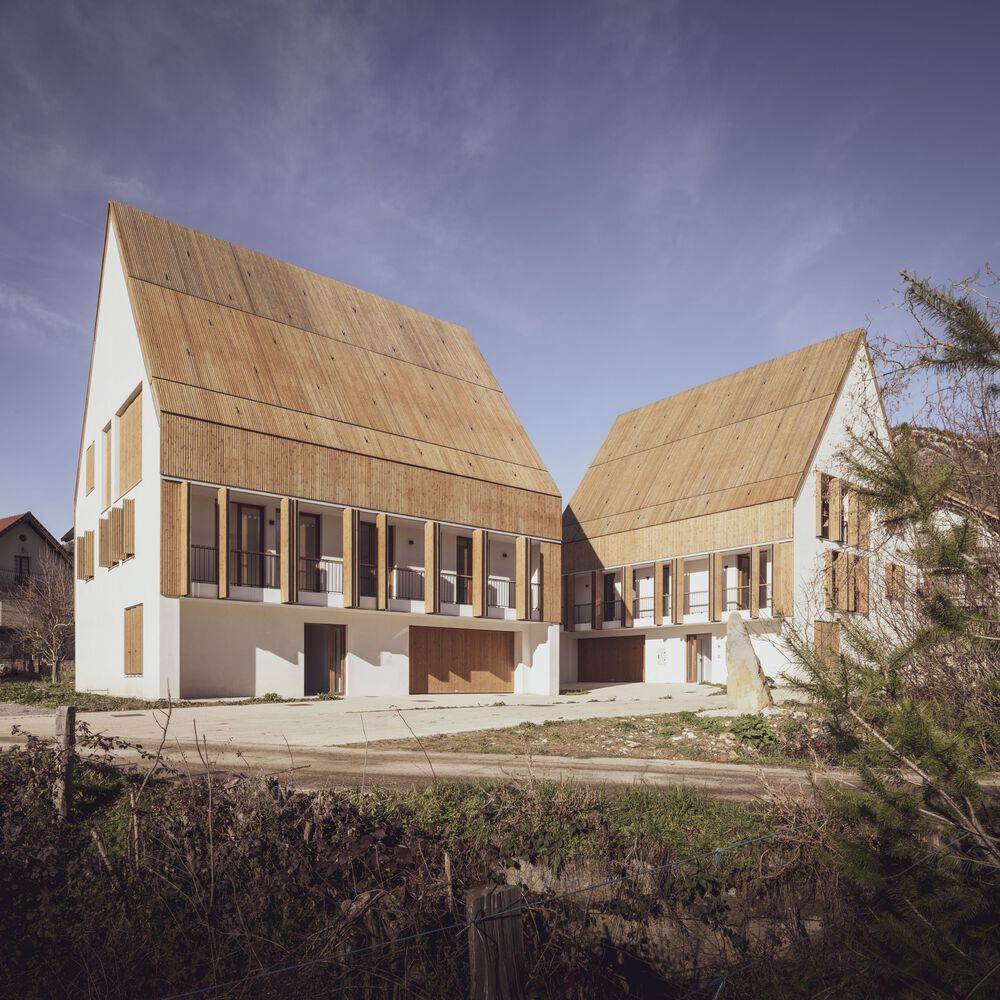
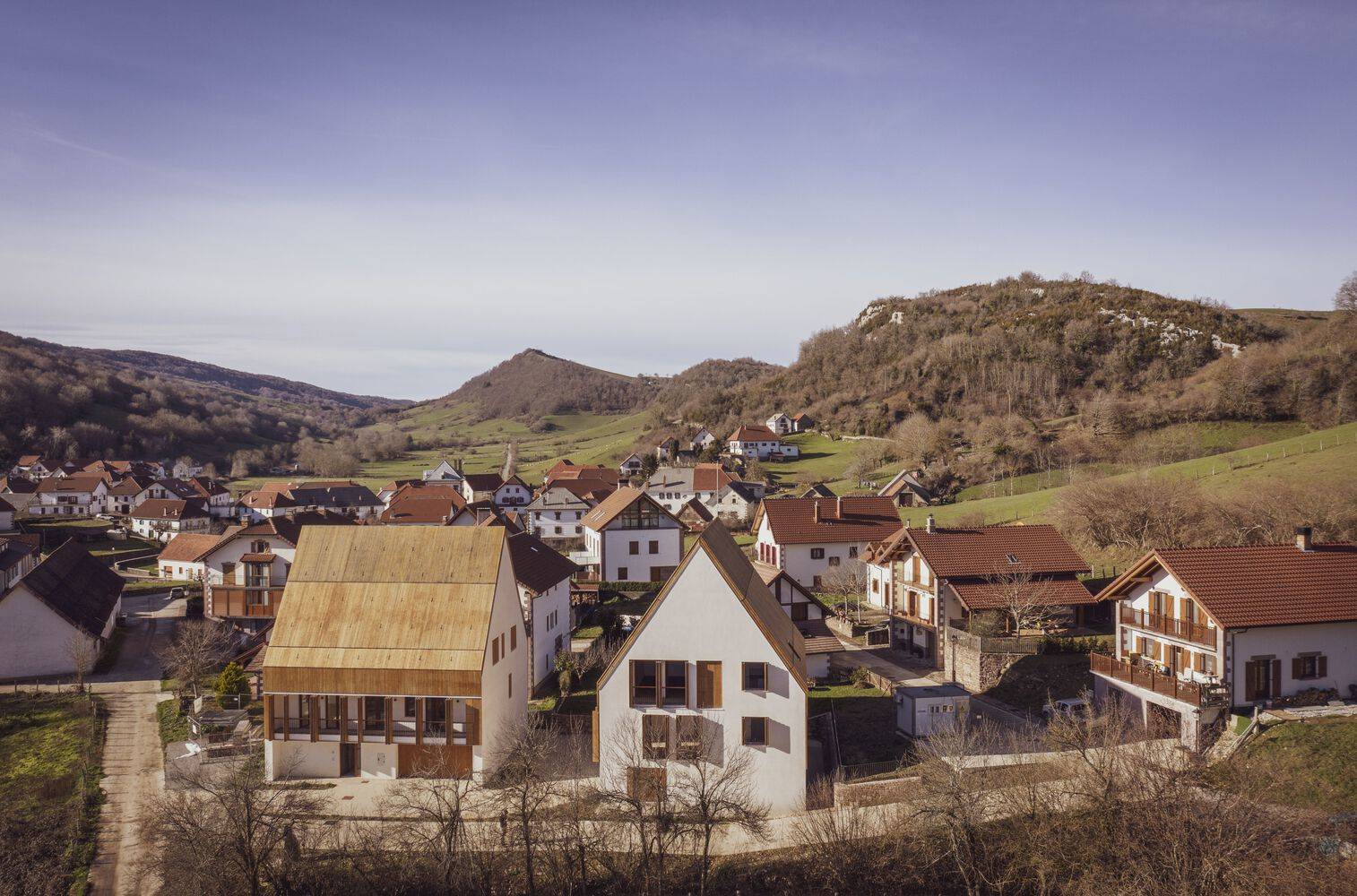
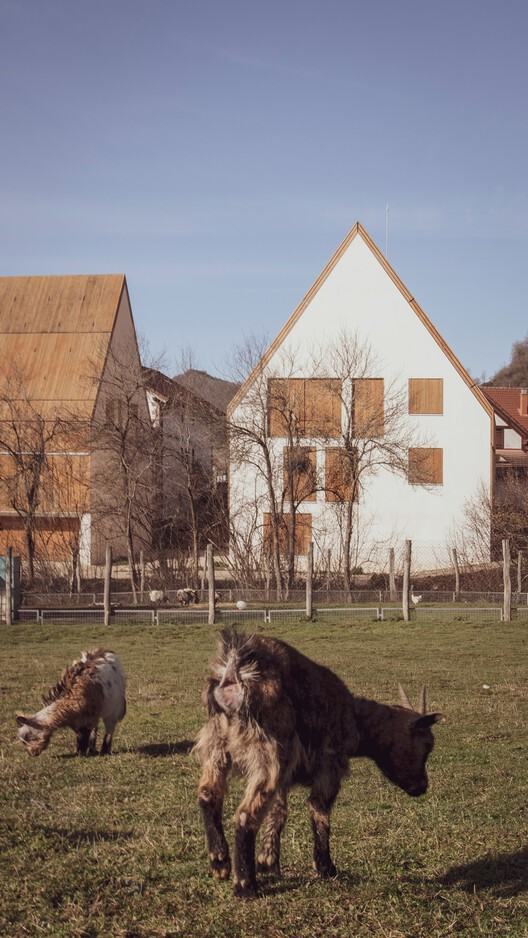
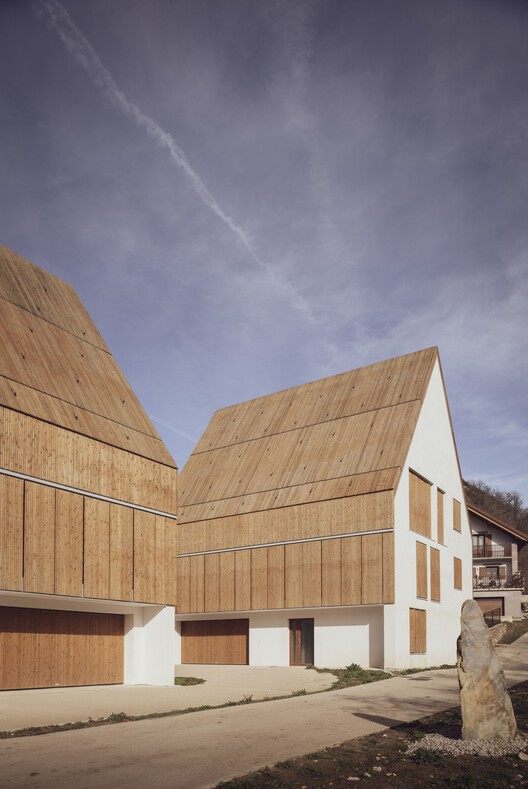
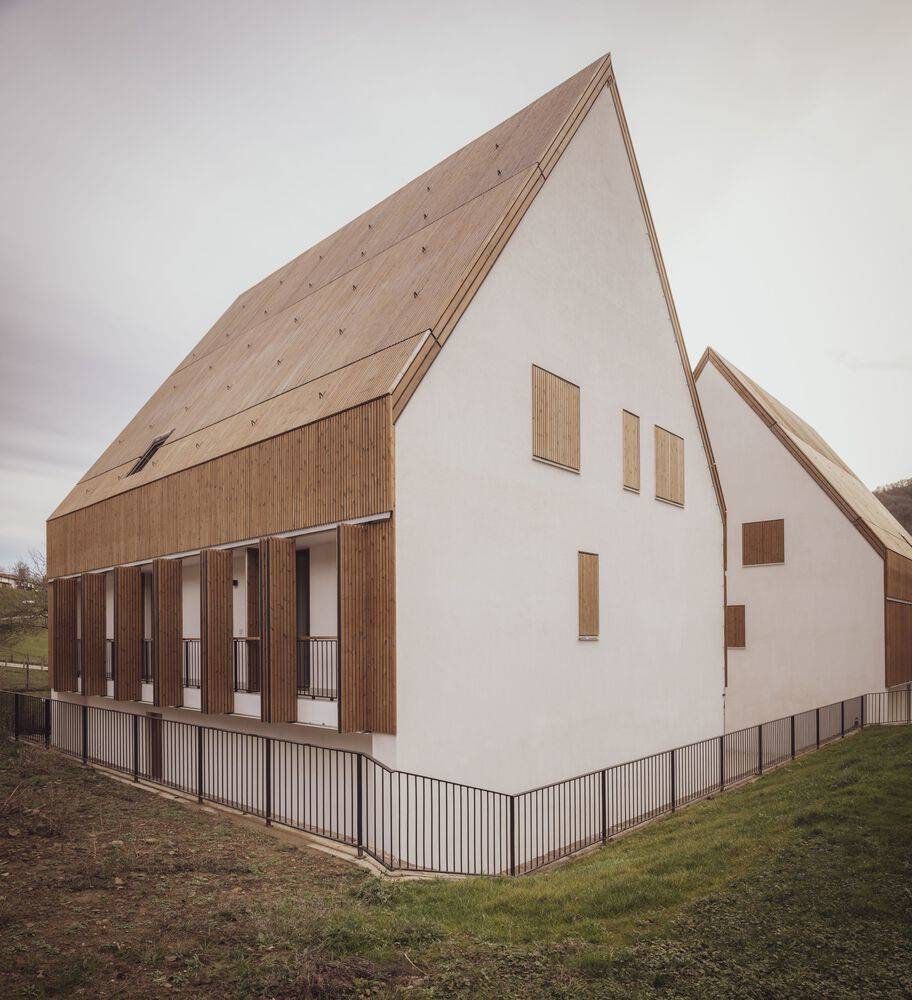
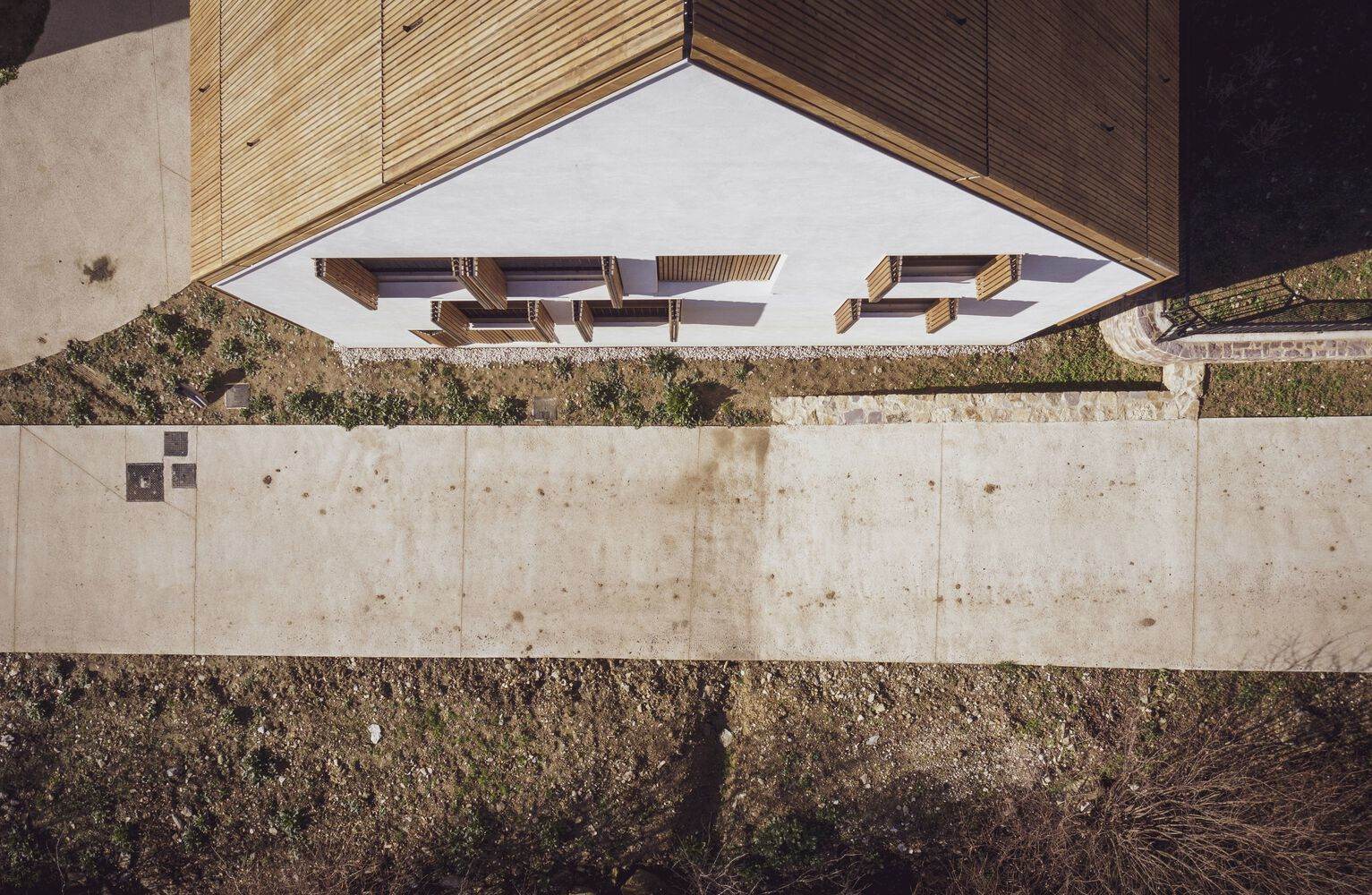
After analyzing the typical features of the traditional Basque-Navarrese "Caserío" (farmhouse), it was decided to divide the required functions into two volumes, both featuring steep pitched roofs, whose proportions better fit the volumetric characteristics of the area. These two parts are arranged in opposite directions to promote a dialogue with the rural landscape.
在对传统巴斯克-纳瓦拉(Basque-Navarrean)“Caserío”(农舍)的典型特征进行分析后,决定将所需功能规划划分为两个体量,均采用陡峭坡屋顶设计,其比例能更好地与该区域的体量特征相契合。这两部分朝相反方向布置,以促进与乡村景观的对话。
© Alberto Amores
© Alberto Amores
© Alberto Amores
Floor plans
平面图
© Alberto Amores
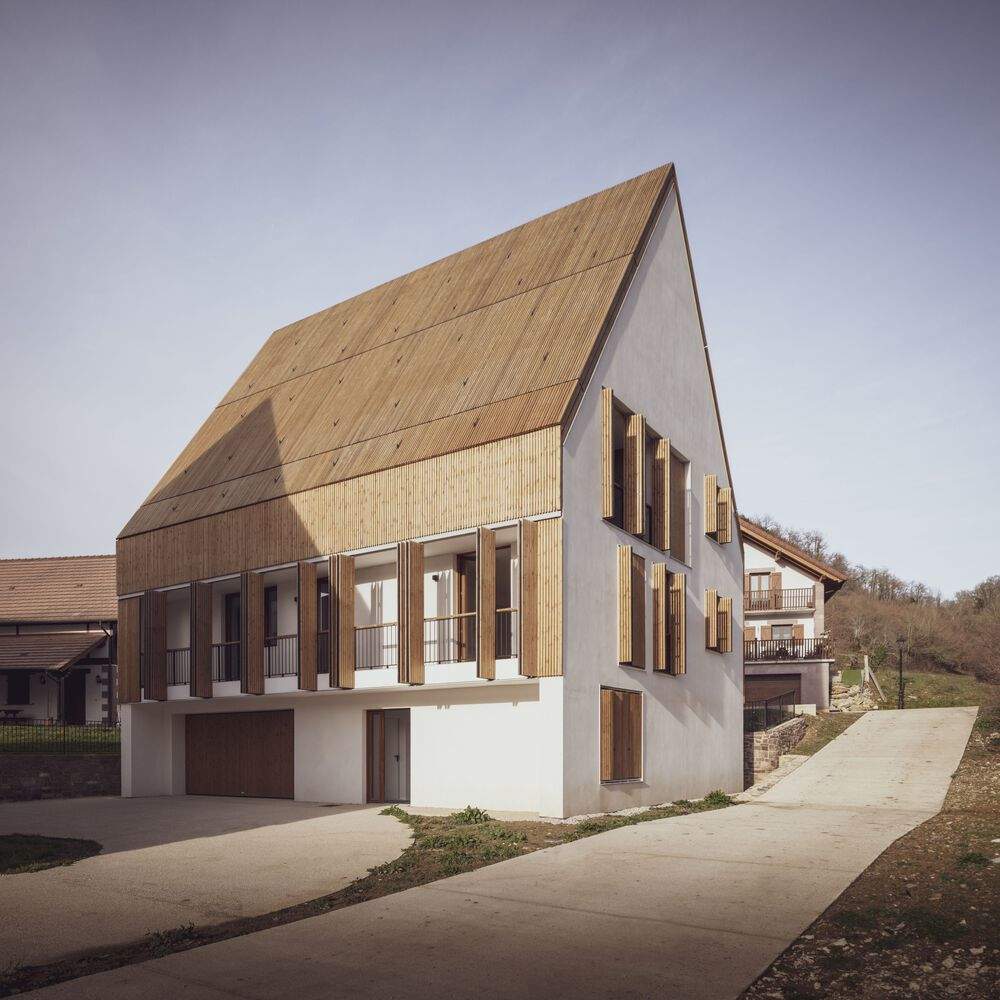
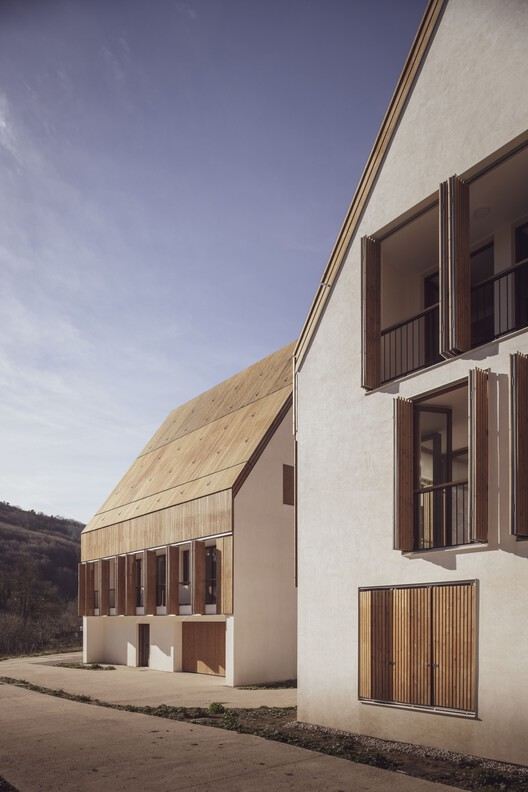
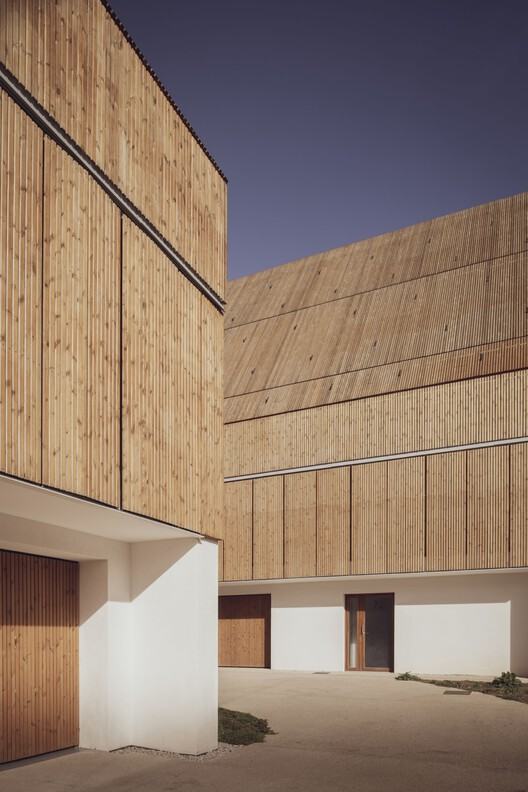
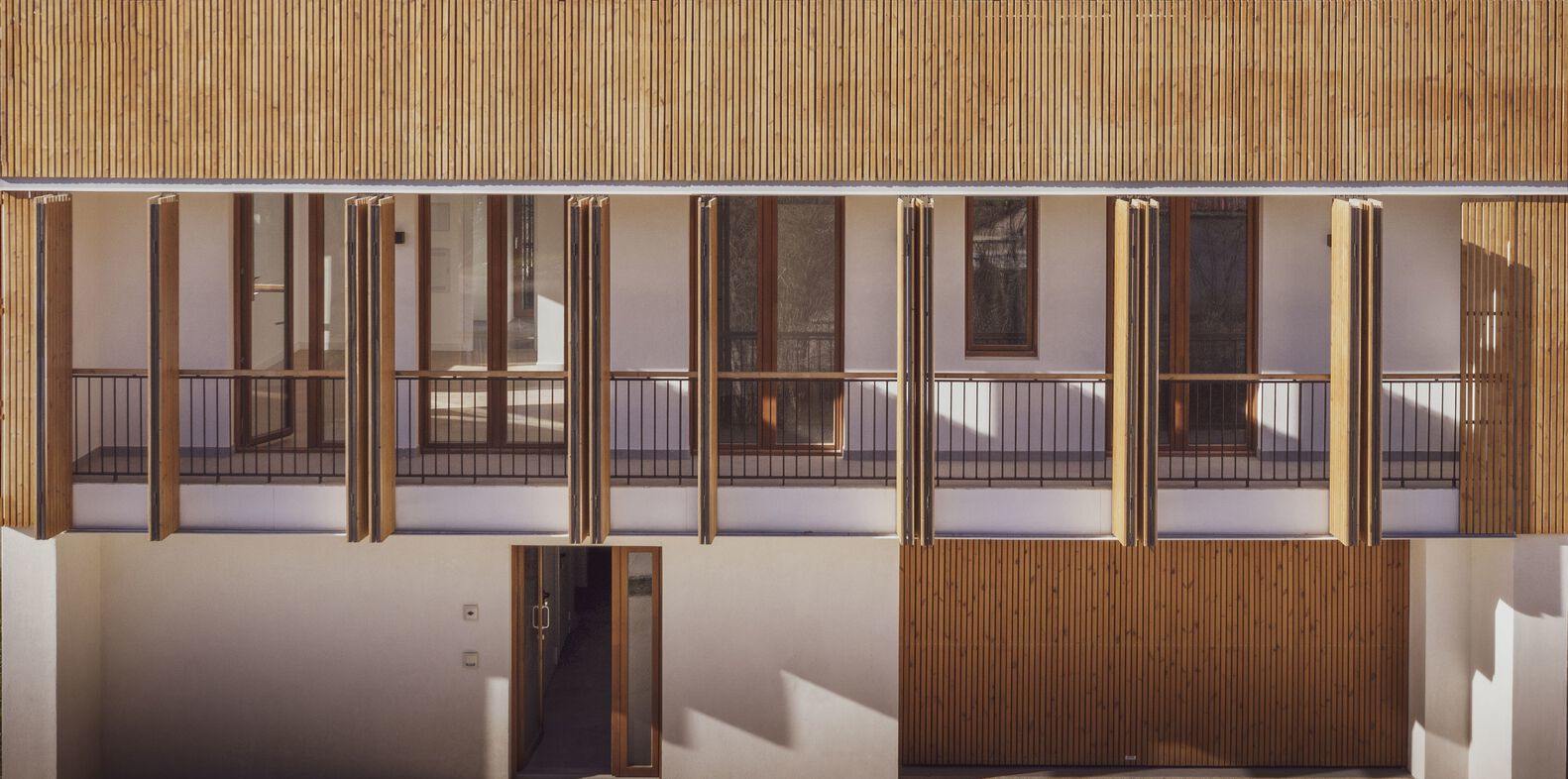
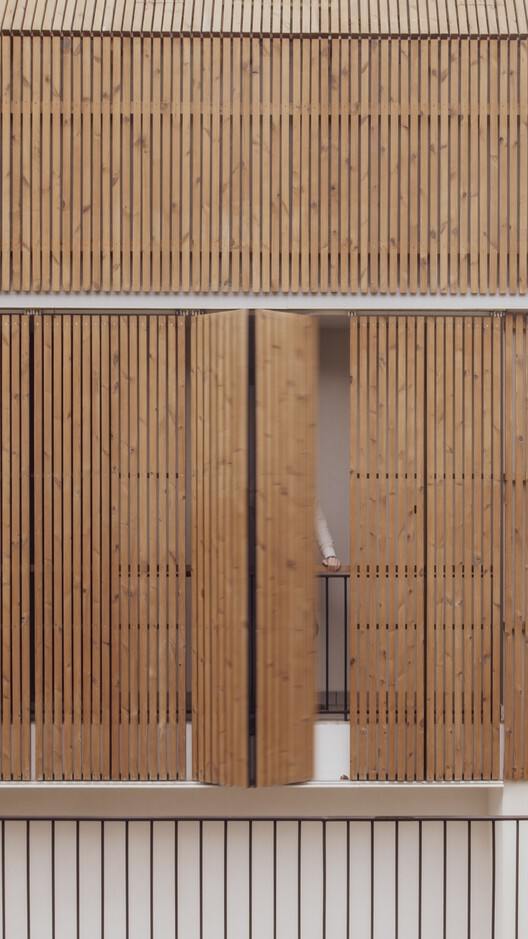
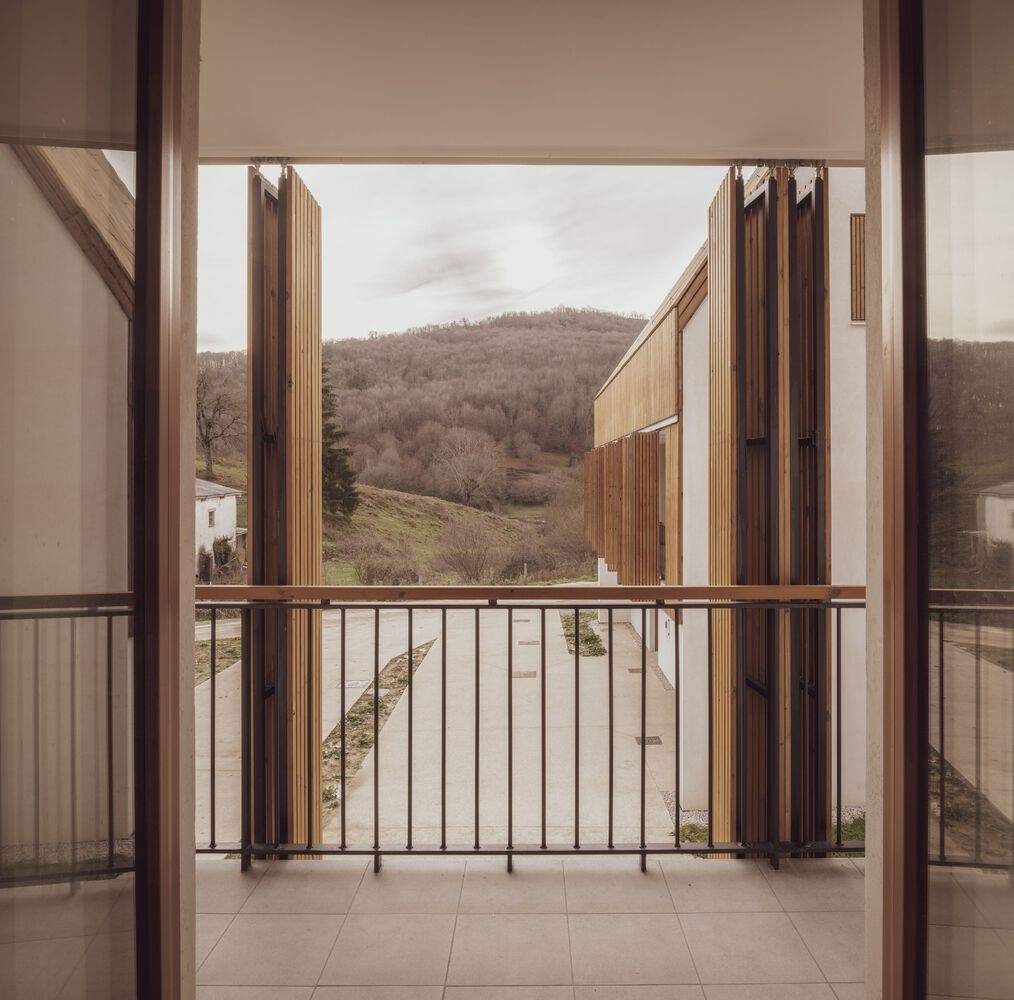
The choice of materials is both sensitive and respectful of the environment. The building's facade is clad in only two materials. The exterior wall finish uses white mortar with an SATE external thermal insulation system. Heat-treated pine wood is used for the gallery roof and shutters, which is a reinterpretation and recovery of the use of typical wooden shingles in the Aézcoa Valley.
材料的选择既敏感又尊重环境。建筑外立面仅采用两种材料打造。外墙饰面选用白色砂浆,采用 SATE 外墙外保温系统。在连廊屋顶和百叶窗方面,选用热处理松木,这是对埃兹科阿谷典型木瓦片使用的一种重新诠释与恢复。
© Alberto Amores
Elevations and section
剖面图
© Alberto Amores
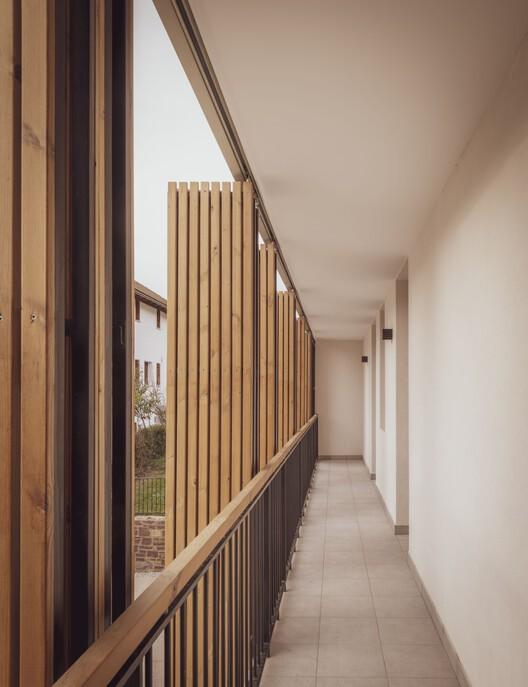
Thus, the roof and the gallery merge into a single element, giving the project a unique identity. This reinterpretation of the typical "Caserío" paradigm establishes a connection with the local collective memory.
如此一来,屋顶与连廊便融为一体,赋予了该项目独特的标识。这种对 “Caserío” 典型范式的重新诠释,使项目与当地的集体记忆建立了联系。
© Alberto Amores
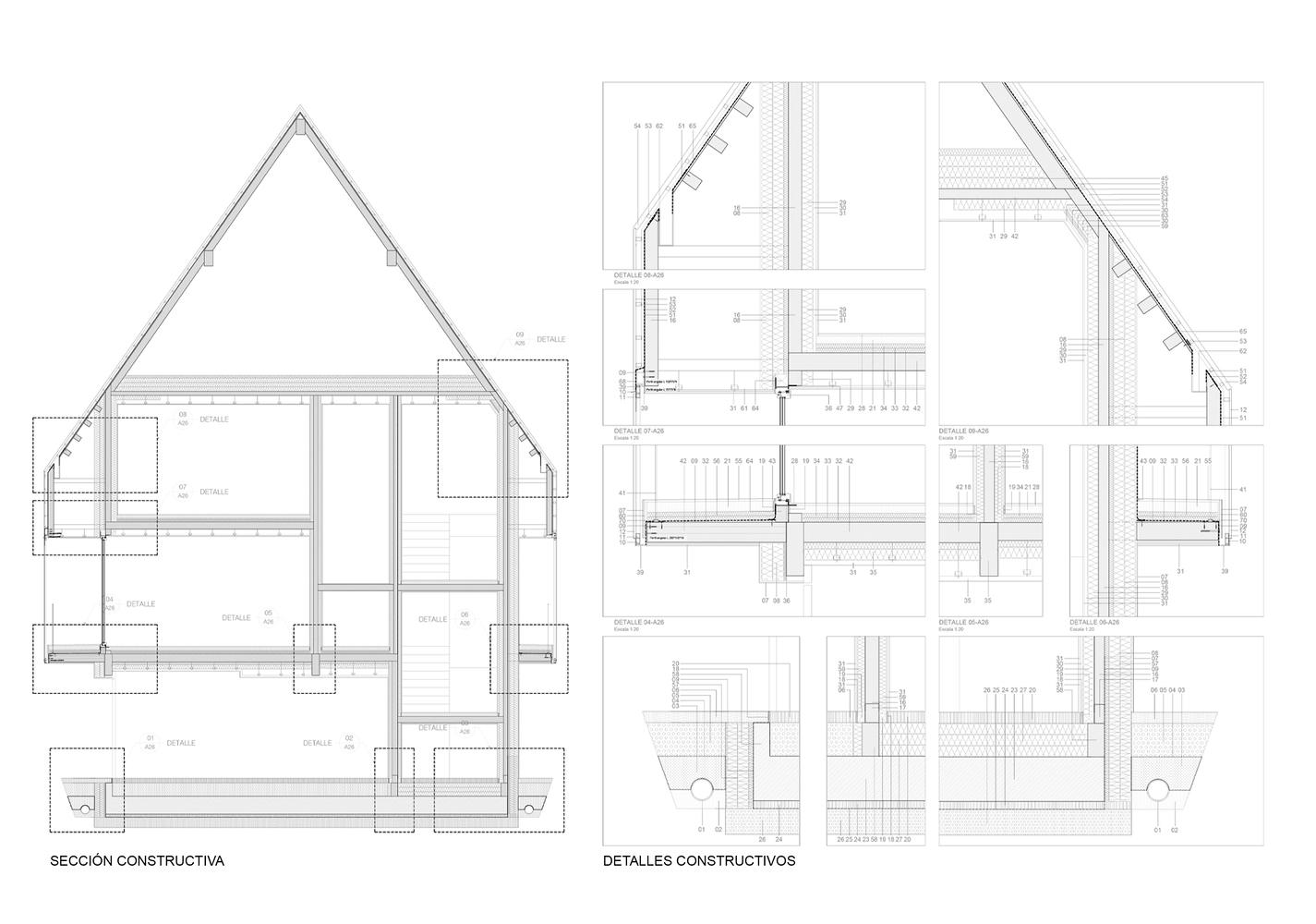
Section
剖面图
© Alberto Amores
Regarding the exterior space of the plot, no physical boundaries were established, allowing it to be perceived as an extension of the surrounding natural environment, acting as a link between the natural landscape and the village.
在用地外部空间方面,未设置任何物理界限,使其可被视为周边自然环境的延续,该干预措施充当了自然景观与村庄之间的连接纽带。
© Alberto Amores
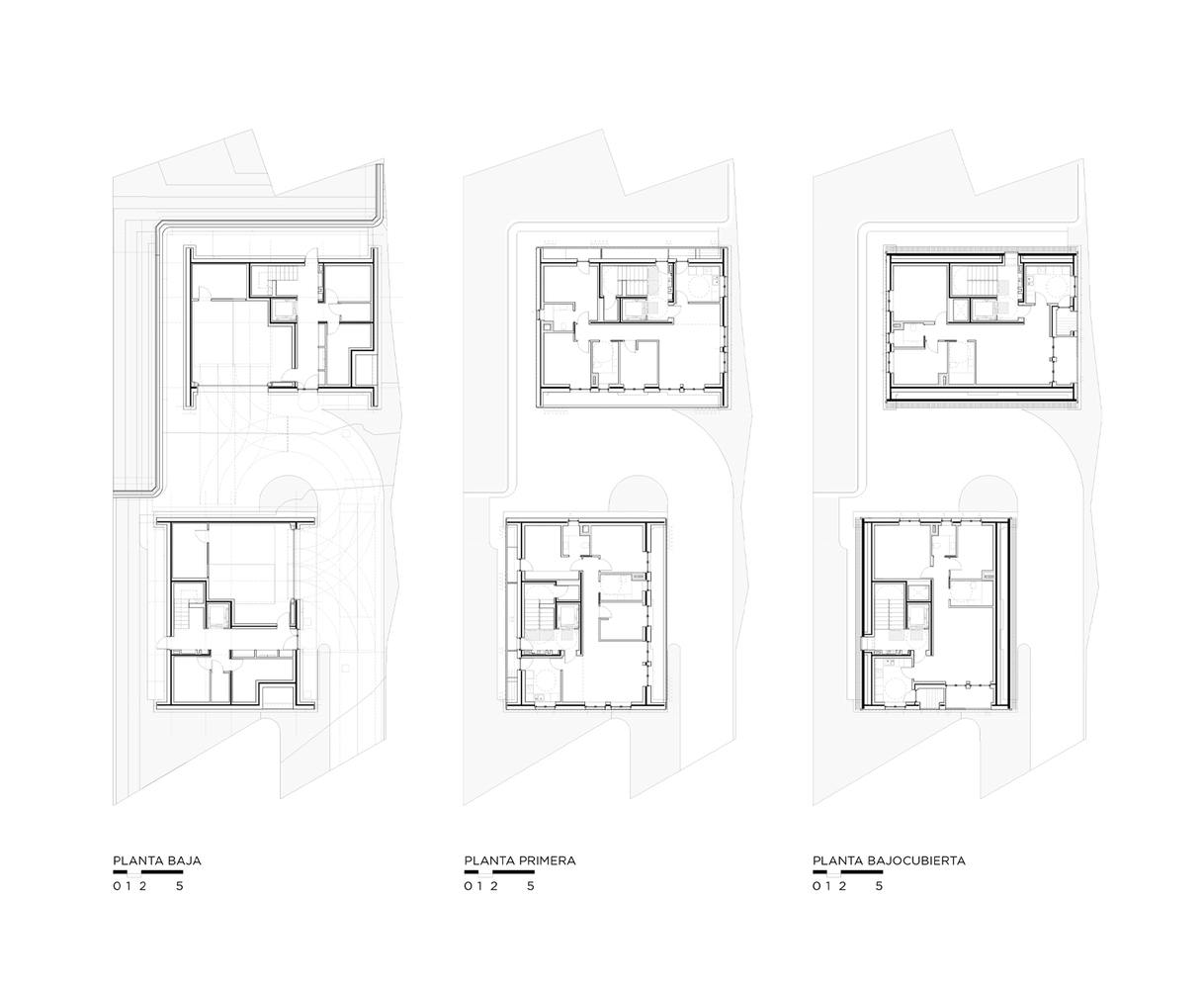
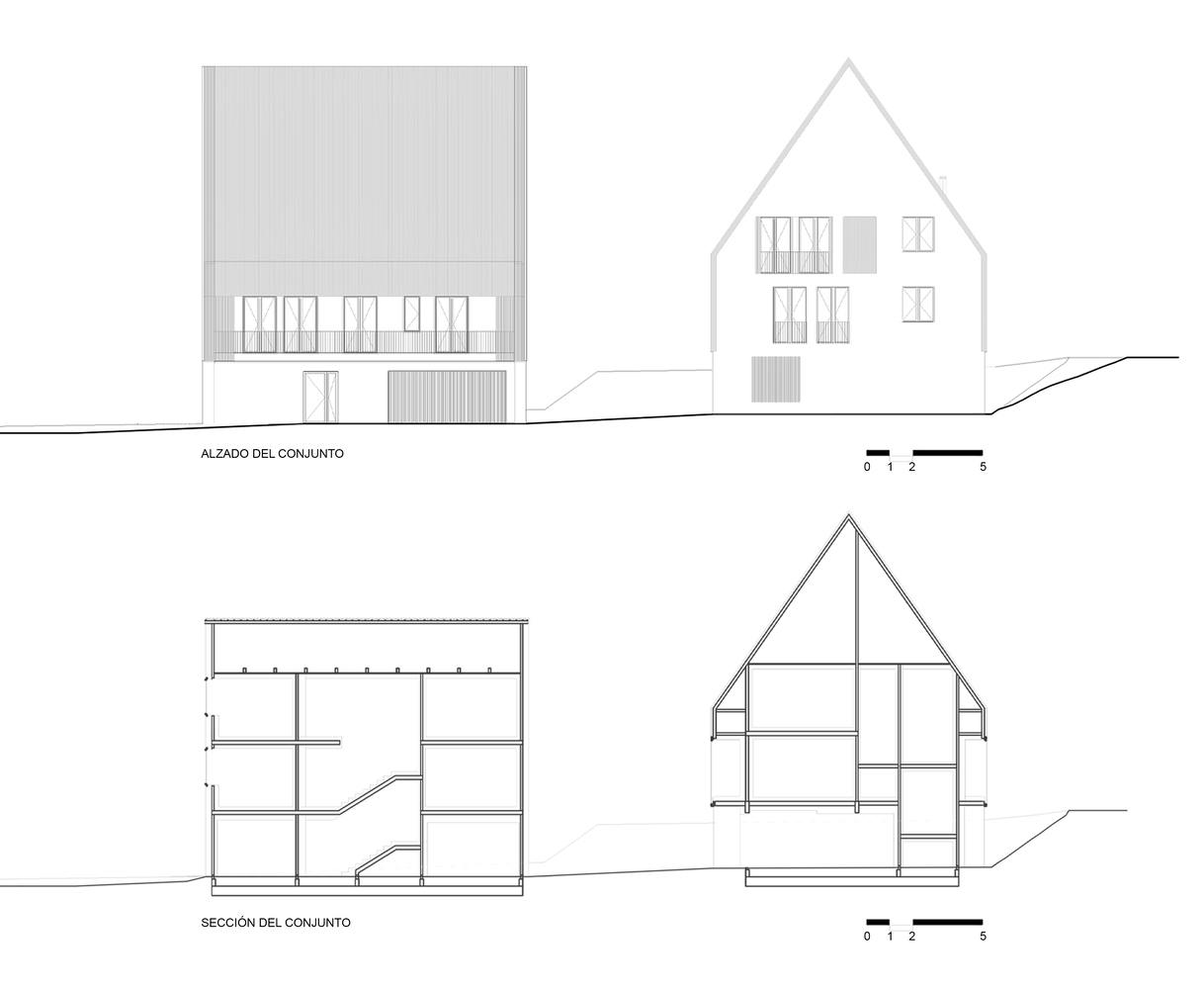
In the design of the dwellings, the goal was to achieve maximum flexibility, adaptability, neutrality, and spatial quality to accommodate different lifestyles. Each volume houses one dwelling per floor, located on the ground floor and under the roof, while the ground floor space of both buildings is reserved for communal use.
在住宅设计方面,力求实现最大程度的灵活性、适应性、中立性和空间品质,以适应不同的生活方式。每个体量中每层各设有一套住宅,分别位于一层和屋顶下方,而两栋建筑的底层可用空间则预留用于公共用途。
© Alberto Amores
The use of cross-laminated timber structure, both on the facade and in the partition walls between dwellings and common areas, contributes to extending the useful life of the dwellings. All spaces are dimensioned to accommodate residents with limited mobility.
交叉层压木材结构应用于建筑外立面以及住宅与公共空间之间的分隔隔墙上,有利于延长住宅的使用寿命。所有空间均按尺寸设计,以适应居民行动不便的情况。
© Alberto Amores
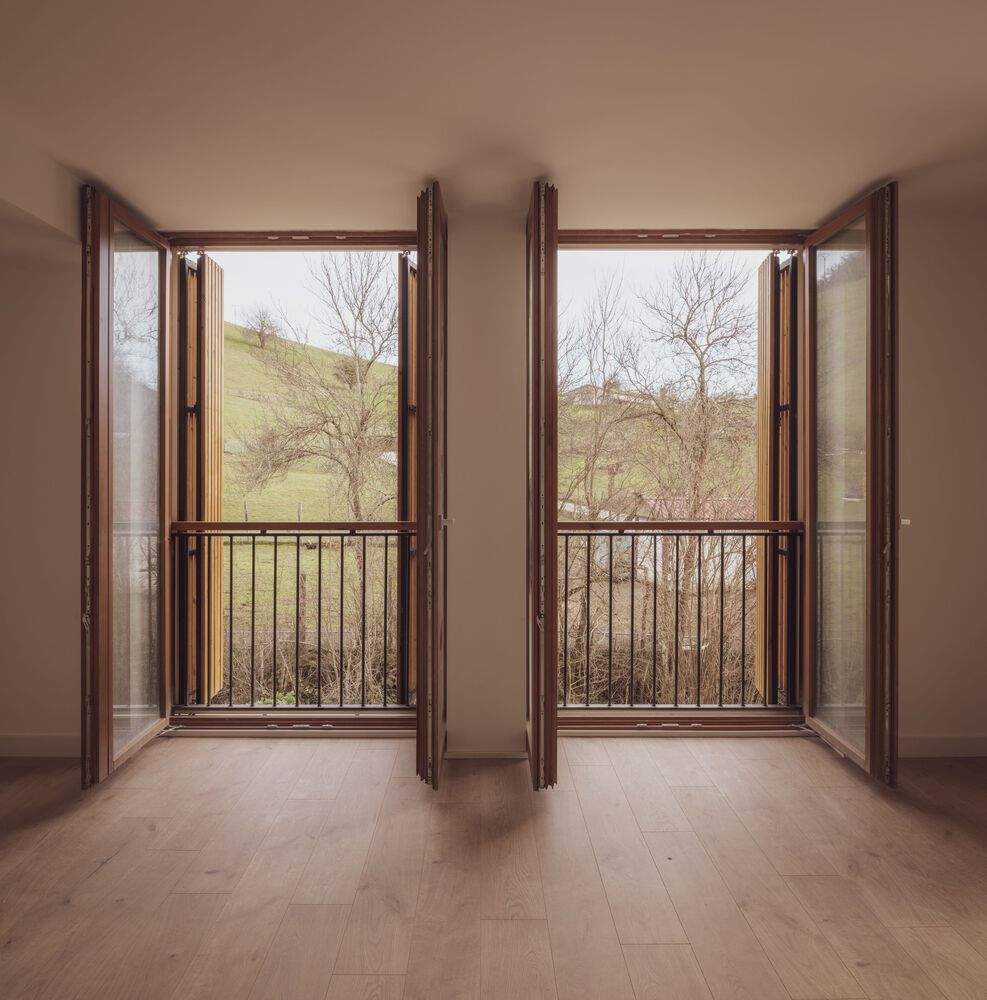
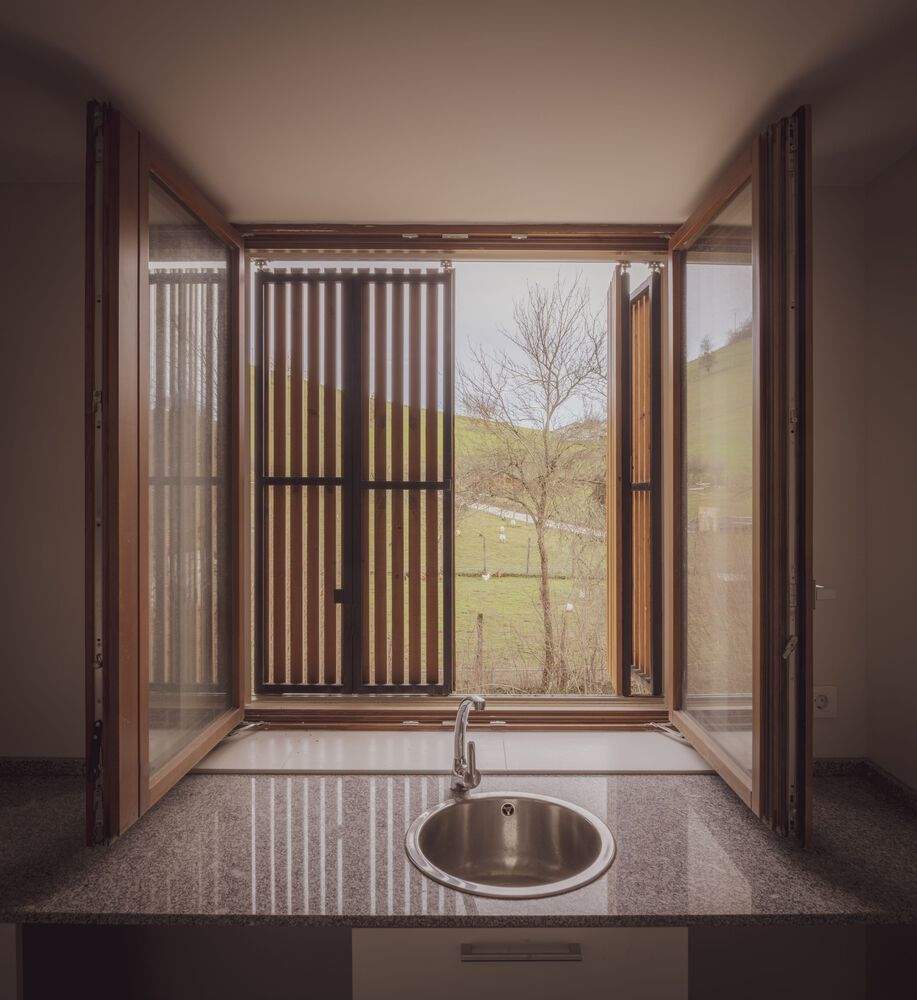
Natural lighting and the arrangement of openings are among the most basic objectives considered to ensure the quality of the interior spaces. Furthermore, large outdoor terraces are provided to connect with the landscape of the area. The use of indoor colors and materials is intentionally neutral so that residents can better personalize and define the spaces.
自然采光和开口布置是确保室内空间品质所考虑的最基本目标之一,此外,还设置了大型户外露台,以实现与该区域景观的连接。室内色彩和材料的使用刻意保持中性,以便居民能够更好地对空间进行个性化改造与定义。
© Alberto Amores
The proposal’s design also considers standards for enhancing its sustainability, not only in energy terms (achieving Passive House standards) but also in environmental terms (reducing carbon footprint, conserving water cycles, promoting biodiversity), social terms (improving quality of life and housing conditions, connecting with local collective memory), and economic terms (promoting a circular economy).
该提案的设计还考虑了提升其可持续性的标准,不仅涉及能源层面(已达到被动式房屋标准),还涉及环境层面(减少碳足迹、维护水循环、促进生物多样性)、社会层面(改善生活质量和居住条件、与当地集体记忆建立联系)以及经济层面(促进循环经济)。
© Alberto Amores