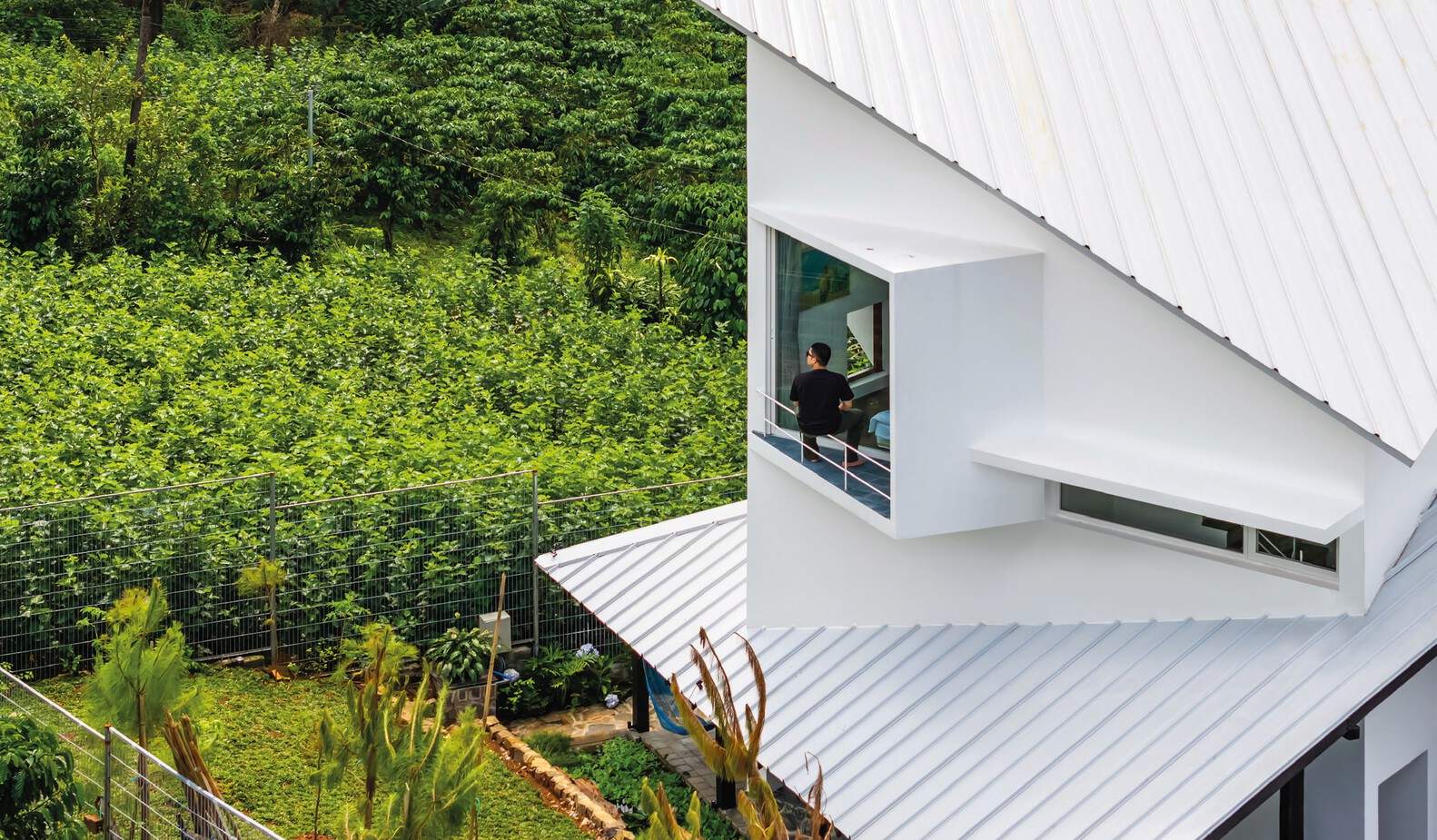
地形整合与景观最大化:该项目巧妙地将建筑体量顺应保禄市缓坡地形进行布局,实现了与自然环境的深度融合。设计核心在于最大化利用场地开阔的视野和葱郁的绿谷景观,通过精心设计的开窗和空间序列,确保建筑的每一个角落都能框取并展示自然之美,建立起建筑与环境之间无缝衔接的亲密关系。
动态形态与空间叙事:建筑屋顶采用灵动的多角度设计,配合建筑体量对地形的顺应,创造出随观者视角不断变化的动态立面。这种设计不仅赋予建筑独特的视觉标识,更通过空间的高差变化和材质对比,讲述了一个尊重自然肌理、富有层次感的空间叙事。这种“流动形态”的设计语言,增强了空间的通透感和生命力。
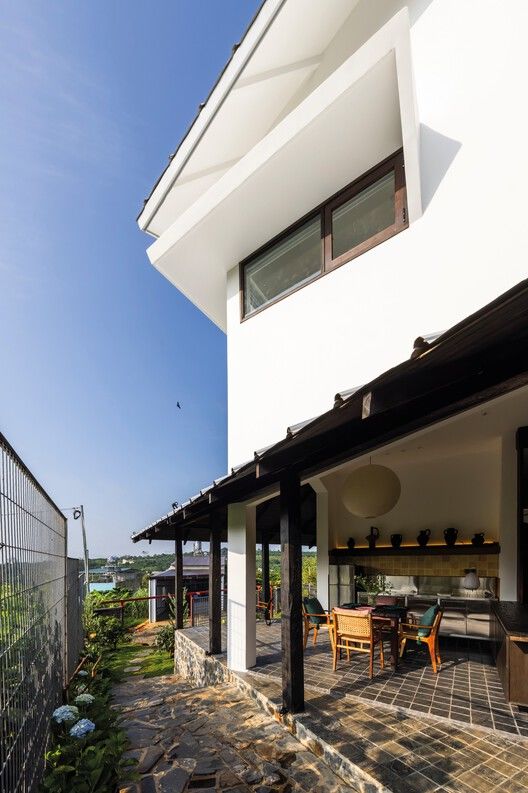
内外边界的模糊与材质的精致对话:项目通过开放式的起居/用餐/厨房空间,以及前院和后花园的无缝衔接,刻意模糊了室内外的物理和心理边界。在材质运用上,天然的莱州石、木材与编织藤条,与黑色松木立柱和白色主体结构形成鲜明对比,结合檐下水景装置,共同营造出既宁静疗愈又富有现代精致感的居住体验。
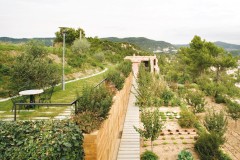
Situated on a gentle slope alongside Ly Thai To Street in Bao Loc City, Lam Dong Province, Vietnam, the Dau Tam House stands out with its expansive views overlooking the lush green valleys. The design of this residence emphasizes harmonious integration with the natural topography, meticulously maximizing the potential of the surrounding landscape. Every corner within the house is laid out with the aim of framing natural beauty, highlighting the seamless connection between the building and its environment.
坐落于越南林同省保禄市 Ly Thai To 路旁的一处缓坡之上,Dau Tam 住宅凭借其开阔视野、俯瞰葱郁绿谷的景致而脱颖而出。该住宅的设计强调与自然地形的和谐共融,精心将周边景观潜力发挥到极致。屋内每一处角落的布局皆旨在框取自然之美,凸显建筑与环境的无缝衔接。
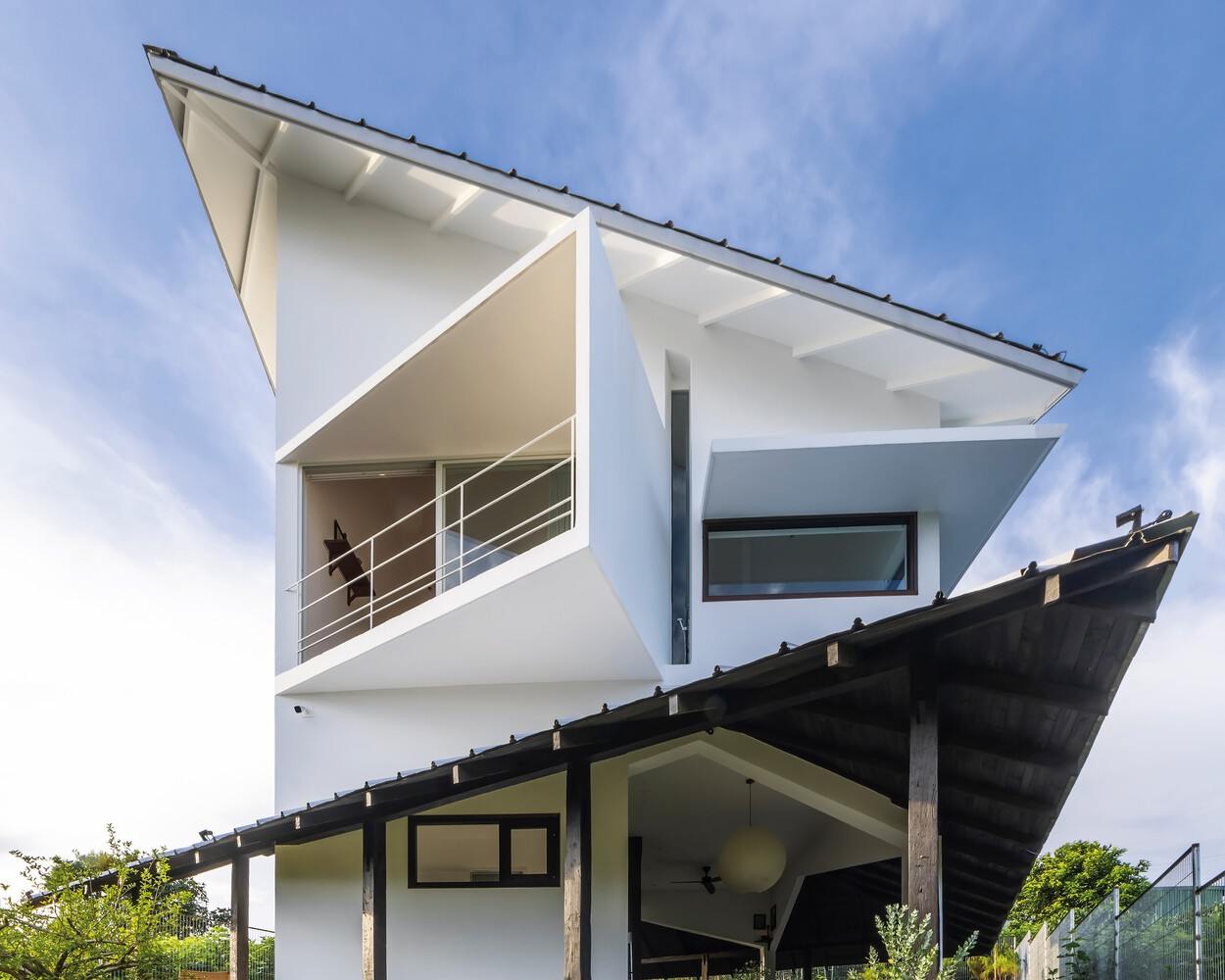
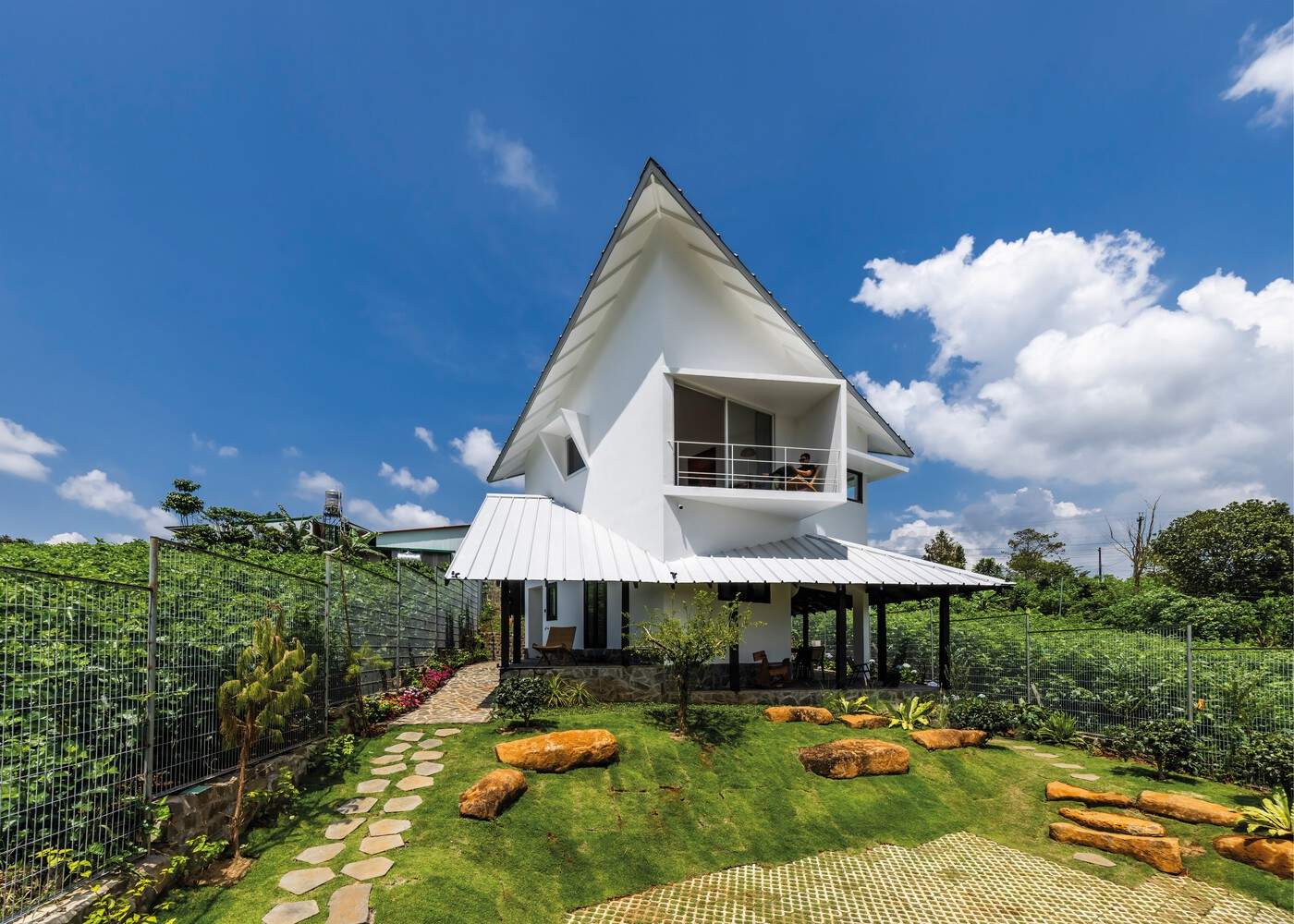
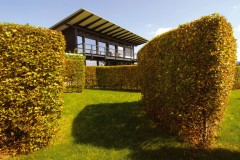
The building massing closely adheres to the natural contours of the site, using topographical trends as design guidance. This not only shapes the façade but also outlines the flowing form of the interior spaces. The roof structure adopts a dynamic, multi-angled design, which not only creates a unique visual focal point but also presents diverse scenes depending on the viewer's perspective, causing the building's appearance to continuously shift along the path of approach. This flexibility highlights the harmonious dialogue between the architectural form and the landscape, infusing the space with vitality and transparency.
建筑体量紧密贴合场地自然轮廓,以地形趋势为设计指引,不仅塑造了建筑立面,更勾勒出内部空间的流动形态。屋顶结构采用灵动的多角度设计,既形成独特的视觉焦点,又因观者视角不同而呈现多样景致,令建筑观感随行进路线不断变化。这种灵活性凸显了建筑形态与景观之间的和谐对话,为空间注入蓬勃生机与通透感。
© Hiroyuki Oki
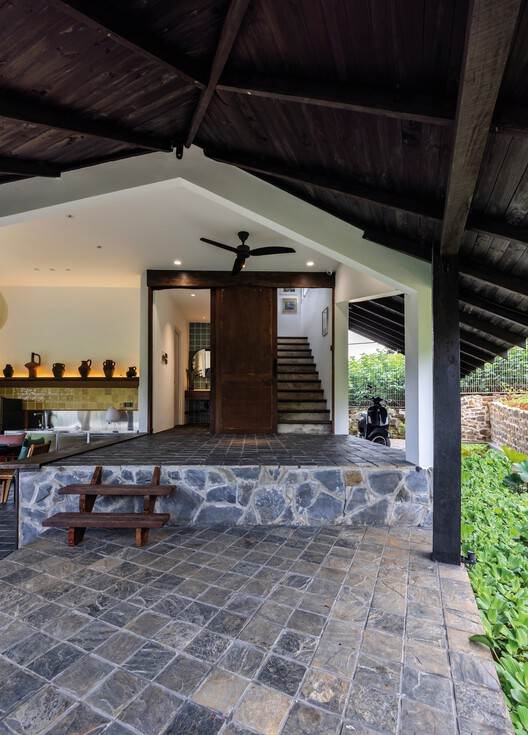
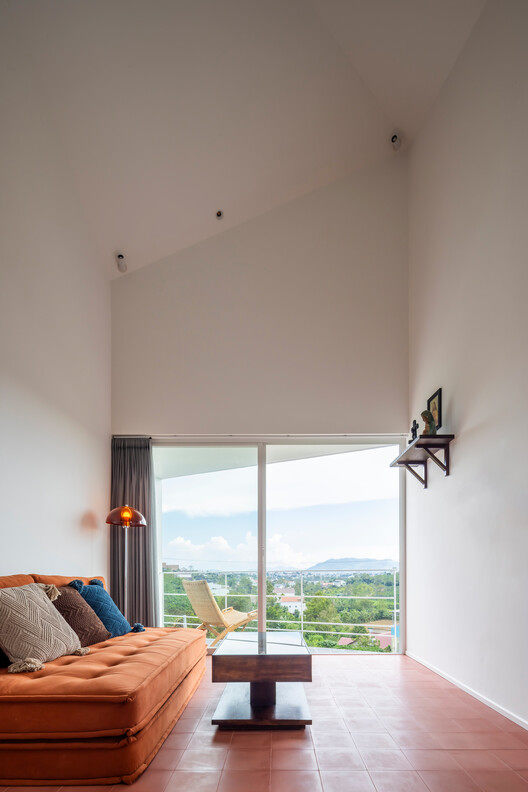
The living, dining, and kitchen areas are designed as a continuous open space where east-facing sunlight transforms into dynamic natural elements, nurturing an intimate connection between people and nature. The seamless integration with the front yard and the rear garden is not just physical but reflects a deeply considered design philosophy—to blur the boundaries between inside and outside, eliminating the separation between stillness and movement.
起居、用餐与厨房区域被设计为一个连贯的开放式空间,东向阳光在此化作灵动的自然元素,滋养着人与自然的亲密联结。与前院和后花园的无缝衔接不仅体现于物理层面,更彰显了一种深思熟虑的设计理念——模糊室内外的界限,消弭静与动的隔阂。
© Hiroyuki Oki
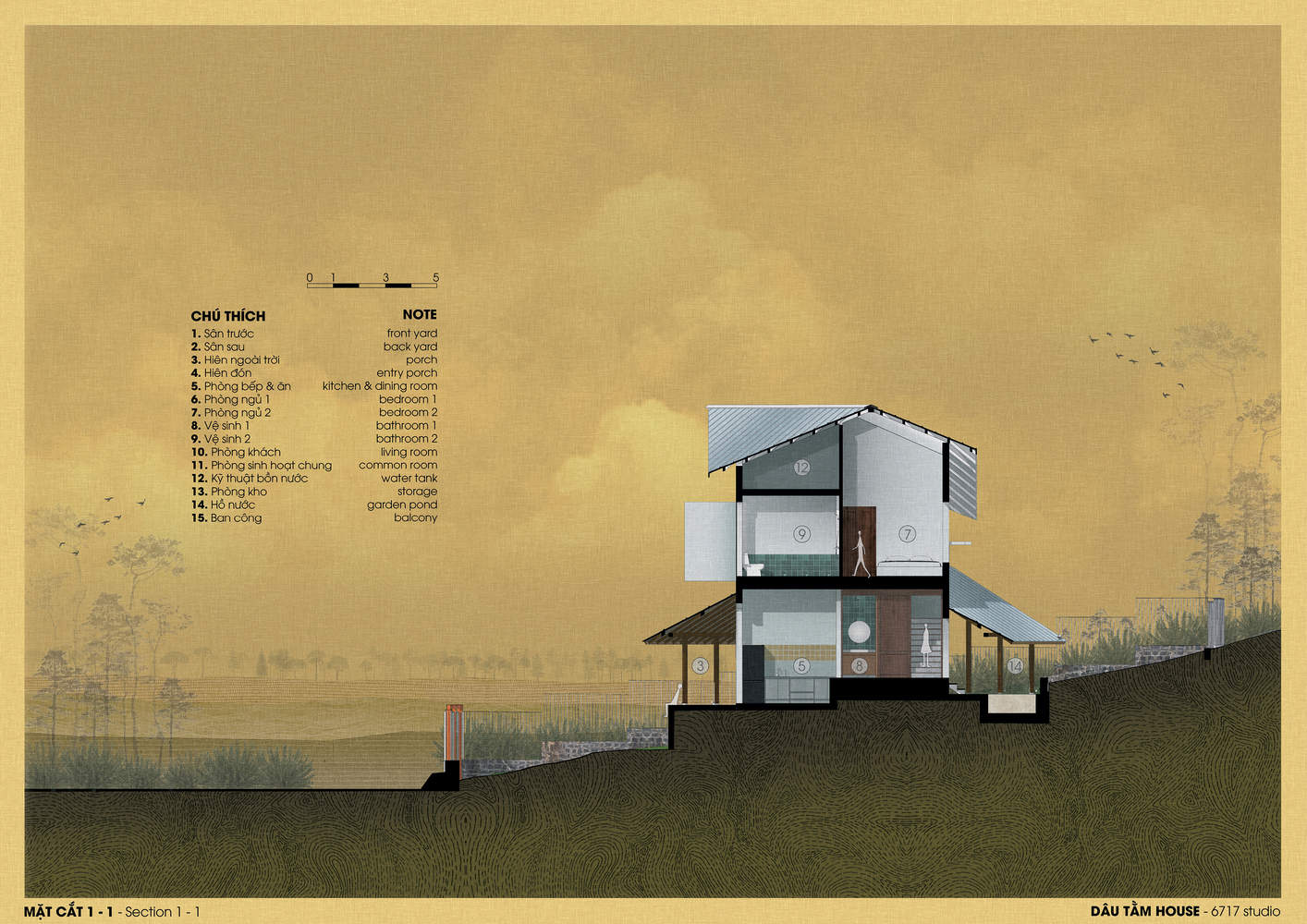
Spaces are delineated by subtle changes in elevation, respecting the topography as an indispensable component of the architectural narrative. The low-hanging eaves extend the living spaces while gently filtering light and rain, creating a refined contrast between the black lacquered pine columns and the white main structure. The water feature beneath the eaves not only regulates the local microclimate but also intuitively defines spatial boundaries in a natural manner.
空间通过微妙的高差变化进行划分,将地形作为建筑叙事中不可或缺的组成部分加以尊重。低垂的屋檐延伸了起居空间,同时如温柔屏障般过滤着光线与雨水,黑色漆面的松木立柱与白色主体结构形成精致对比。檐下的水景装置不仅调节着局部微气候,更以自然的方式直觉化地界定了空间边界。
Section
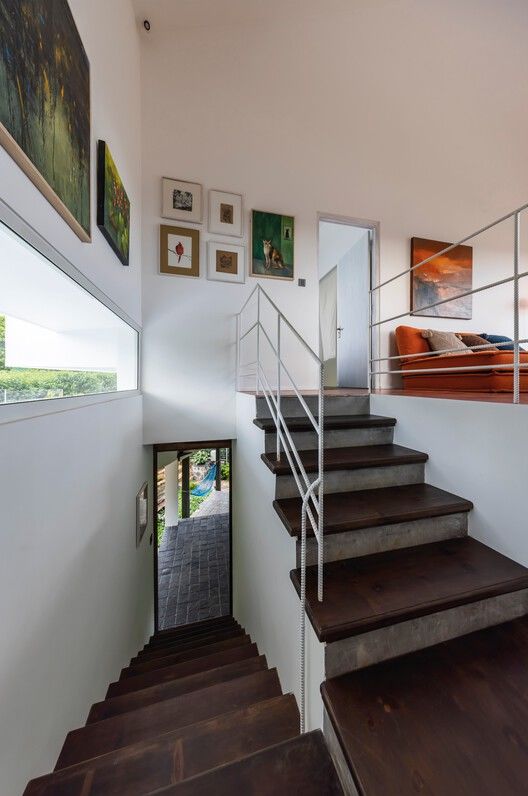
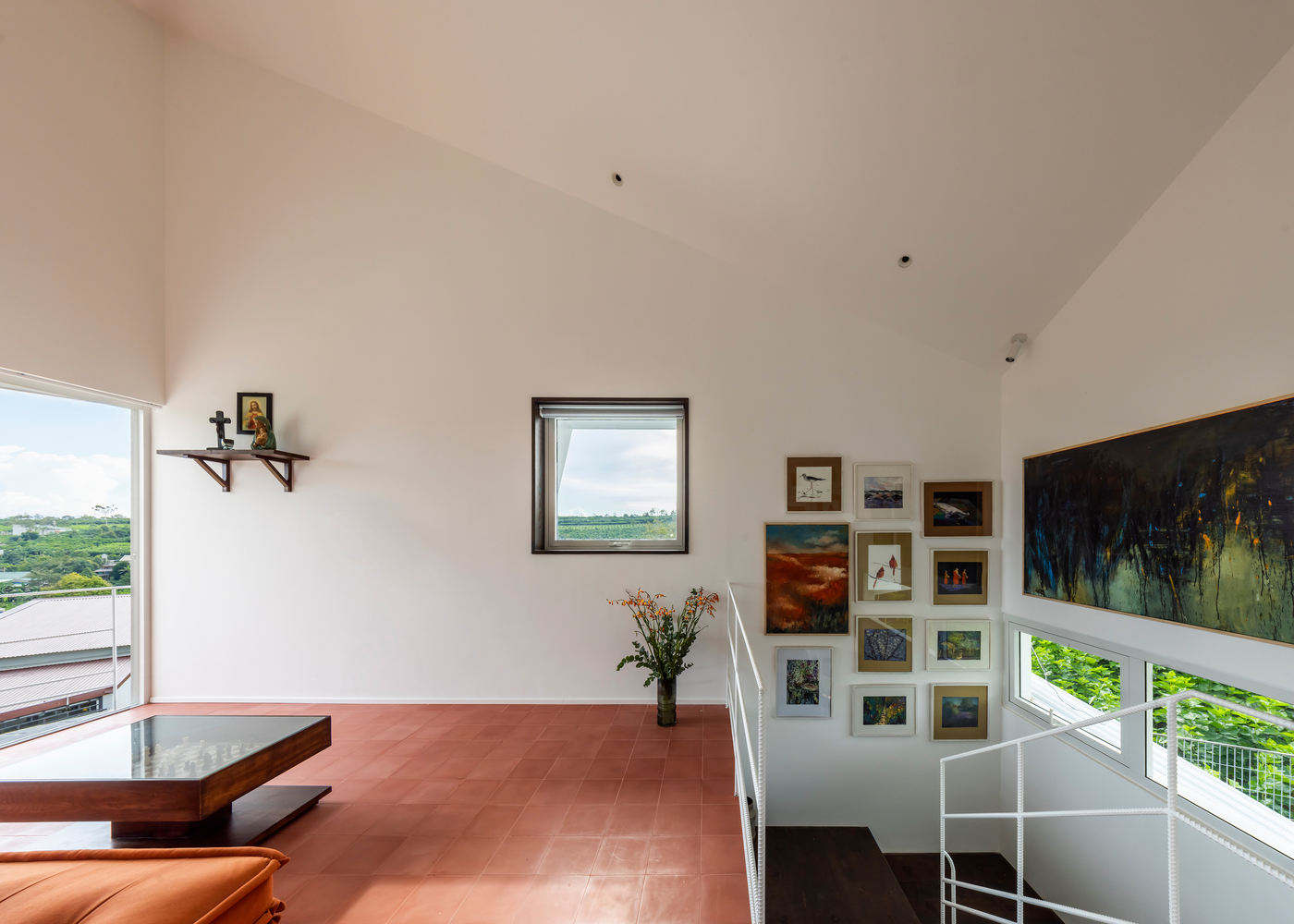
The interior features natural materials such as Laizhou stone, wood, and woven rattan, harmoniously integrated with modern elements like stainless steel kitchen fittings. The lighting design accentuates the architectural form, strengthening the spatial hierarchy through sharp contrasts between elements. The folded white metal roof serves both practical and aesthetic functions, becoming a striking visual marker when illuminated at night.
室内采用莱州石、木材与编织藤条等天然材质,与不锈钢厨房配件等现代元素和谐搭配。照明设计凸显建筑形态,通过元素间的鲜明对比强化空间层次感。折面白色金属屋顶兼具实用与美学功能,夜幕降临时点亮后更成为醒目的视觉标识。
© Hiroyuki Oki
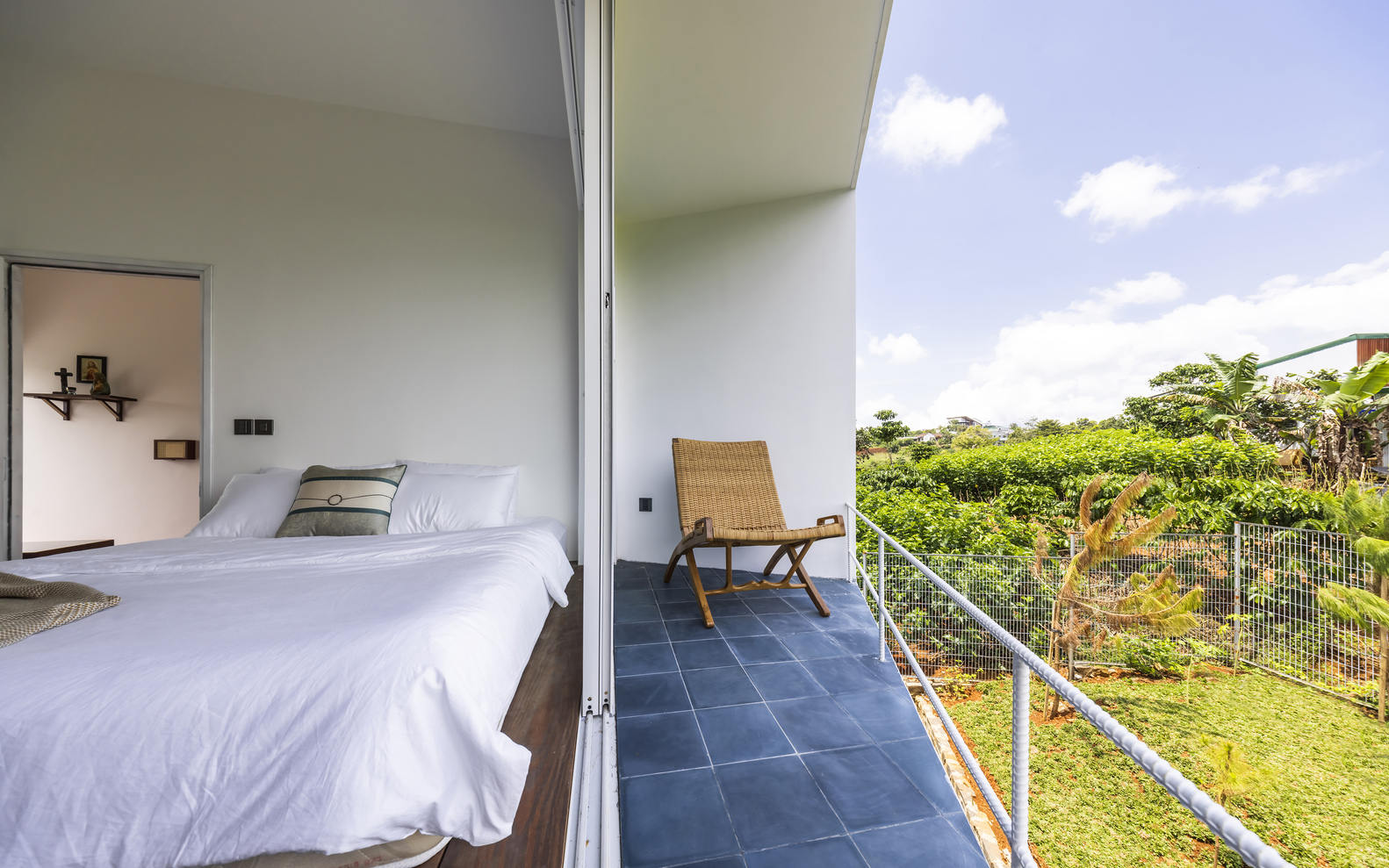
More than just a dwelling, the Dau Tam House is a celebration of the enduring relationship between humanity and nature—it honors the pristine beauty of the land while creating a serene and healing living experience for its inhabitants.
Dau Tam 住宅远不止是一处居所,它是对人与自然恒久关系的礼赞——既颂扬着这片土地的纯净之美,又为居住者营造出宁静疗愈的生活体验。