再生叙事与参与式设计:该项目超越了传统建筑的短暂性,致力于打造一个“回归土壤”的再生叙事。通过结合动物巢穴启发的设计灵感与尖端3D打印技术,建筑师成功设计了一种能与使用者建立情感连接的机制。其核心精髓在于将公众参与(如手工纸制作工作坊)融入建筑过程,使空间成为人人共同创造的载体,从而提升了人们对建筑的依恋感,并为世博会结束后如何处理短暂性建筑树立了循环利用的新典范。
生物基材料创新与吉尼斯纪录突破:本项目在材料科学和结构工程上实现了显著的创新。建筑主体采用3D打印的可生物降解木质材料“醋酸纤维素”,不仅是对传统建筑材料的颠覆性替代,更重要的是,其大规模现场打印创造了“世界上最大的可生物降解3D打印建筑”的吉尼斯世界纪录™。这种桁架状横截面的结构,不仅提供了独特的空间体验,还体现了建筑如何利用先进技术实现结构强度与生态友好的完美平衡。
生态使命与场所精神的延续:“森林营造”建筑最深刻的价值在于其明确的生态使命和后世博会的延续规划。它直接响应了场地(梦洲岛)从垃圾填埋场向森林转化的愿景。通过在建筑外表面嵌入植物种子,阳光过滤进入的室内空间将随季节变化而生长,最终建筑的“消失”成为滋养新森林的养分。这种从建造、使用到最终分解回归自然的完整生命周期,深刻反思了人与建筑、建筑与自然之间的关系,实现了物质存在与生态贡献的统一。
The "Forest Creation" building is a rest shelter created for the 2025 Japan World Expo in Osaka Kansai. It is not a building constructed only for the six-month event, which would ultimately become waste, but a building collaboratively created by everyone, carefully maintained through use, and finally returned to the soil to become a forest.
“森林营造”建筑是为 2025 年日本大阪关西世博会打造的一处休憩庇护所。它并非一座仅为期六个月的活动而建、最终沦为废料的建筑,而是一座人人共同创造、使用过程中精心维护、最终回归土壤化为森林的建筑。
© Yoshiro Masuda
Inspired by animal nests and traditional Japanese architecture, we combined cutting-edge technology with a mechanism that allows anyone to participate, designing a process that fosters a sense of attachment to the building. Our goal is to create a regenerative building that, after the Expo, will help transform Yumeshima Island, once a landfill, into a forest.
我们受动物巢穴和日本传统建筑的启发,将尖端技术与允许任何人参与的机制相结合,设计出一个能增进人们对建筑依恋感的过程。我们的目标是打造一座再生建筑,让这座建筑在世博会结束后,助力将曾作为垃圾填埋场的梦洲岛转变为一片森林。
© Yoshiro Masuda
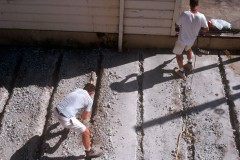
The "Forest Creation" building is constructed entirely from natural materials. Its structure is made of "cellulose acetate," a biodegradable material made of wood via 3D printing. This highly biodegradable woody material is commonly used for eyeglass frames and pharmaceutical capsules. On-site at Yumeshima Island, after three consecutive weeks of non-stop 24-hour operation, we completed a building structure with a diameter of 4.65 meters and a height of 2.95 meters, setting a Guinness World Record™ for the world's largest biodegradable 3D-printed building. The structural cross-section, shaped like a truss, creates a unique spatial feeling as if one were inside a plant stem or fruit.
“森林营造”建筑完全采用天然材料建造。其结构是通过 3D 打印由木材制成的可生物降解材料“醋酸纤维素”而成。这是一种高度可生物降解的木质材料,常用于眼镜框和药品胶囊。在梦洲岛现场,经过连续三周、每天 24 小时的不间断作业,我们完成了一座直径 4.65 米、高 2.95 米的建筑结构,并因此创下吉尼斯世界纪录™,成为世界上最大的可生物降解 3D 打印建筑。该建筑结构呈桁架状横截面,营造出一种仿佛置身于植物茎干或果实内部的独特空间感。
© Ami Harita
To achieve widespread participation, we used handmade paper as the decorative material. Through public workshops, contributions from welfare facility members, and traditional Washi artisans, paper embedded with plant seeds was created and then adhered to the building's exterior surface using a cellulose-derived adhesive. The seeds used are all from plants found in the forests of Kawanishi City, Hyogo Prefecture, where the building is planned to relocate after the Expo. During the Expo, plants will sprout from the building's surface, displaying different appearances with the changing seasons, eventually returning to the soil to become a forest. Filtered sunlight sprinkles onto the transparent building structure, creating an indoor space where one can feel nature while enjoying comfort.
为了实现广泛参与,我们选用手工纸作为装饰材料。通过公众工作坊、福利机构成员以及传统和纸匠人的共同努力,制作出了嵌入植物种子的纸张,随后使用源自纤维素的粘合剂将其粘贴在建筑外表面。所使用的种子均来自兵库县川西市森林中的植物,世博会结束后,这座建筑计划迁往该地。在世博会期间,植物将从建筑表面破土而出,随季节更迭展现不同风貌,最终回归土壤,化为森林。过滤后的阳光洒落在透明的建筑结构上,营造出一个既能感受自然又能享受舒适体验的室内空间。
First Floor Plan
The "Forest Creation" building project was designed based on the consideration of "what will remain after the World Expo," especially given that the building has a lifespan of only six months and must respond to the Expo's mandate to dismantle all structures and return the site to open space afterward. Although it is the smallest building on the Expo site, this project would have been impossible without the collaboration of many people in cutting-edge technology research and development and large-scale paper production.
“森林营造”建筑项目正是基于“世博会结束后能留下什么”的考量而设计的,尤其考虑到这座建筑仅有六个月的寿命,且需响应世博会方案 —— 活动结束后拆除所有建筑,恢复为空地。尽管它是世博会场地内最小的建筑,但若没有众多人士在尖端技术研发和大规模纸张生产方面的通力合作,这一项目也难以实现。
© Yoshiro Masuda
After the Expo, the building will be relocated to the forest in Kawanishi City, Hyogo Prefecture, where we will continue to observe and care for its transformation into a forest. The project began with the personal desire to "no longer build buildings that become waste," which subsequently gained support and participation from many like-minded people. Through its eventual disappearance, it seeks to convey the profound message of "re-examining the relationship between humans, nature, and architecture."
世博会结束后,这座建筑将被迁至兵库县川西市的森林中,我们将持续观察并照料其向森林的转变过程。该项目始于“不再建造沦为废料的建筑”这一个人愿望,随后得到了众多共鸣者的支持与参与。通过最终的消失,它试图传达出“重新审视人与自然、建筑之间关系”的深刻信息。
© Yoshiro Masuda