Kia Laboratory/Davood Boroojeni Office
起亚实验室 / Davood Boroojeni Office
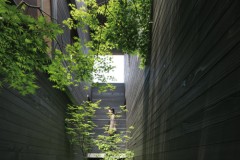
城市与建筑的无界融合: 整个起亚实验室项目最引人入胜的在于其“建筑-城市”的设计理念。设计师敏锐地捕捉到当地居民对安全感和共享空间的需求,将建筑与城市肌理紧密结合,消解了两者之间的界限。通过对现场的深入调研,项目不再仅仅是一个独立的建筑,而是成为了城市公共空间的一部分,鼓励居民在其中自由穿梭,互动交流。这种设计思路打破了传统建筑的封闭性,将街道引入建筑内部,创造出一种全新的城市体验,极大地增强了居民的归属感和社区凝聚力。
对在地文化的深刻回应: 项目对当地文化和历史的尊重与呼应,是其成功的关键之一。设计师深入研究了伊朗城市规划和建筑设计中的阶梯元素,以及当地“鹳城”的文化特色。通过对楼梯的巧妙运用,连接了城市空间与建筑,创造了独特的垂直交通体验。同时,建筑结构的设计也融入了“鹳巢”的意象,在尊重周边建筑形态的基础上,赋予了建筑独特的身份和故事。这种对地域文化的深入理解和巧妙运用,使得建筑与环境、居民之间产生了强烈的共鸣,赋予了建筑持久的生命力。
以人为本的空间营造: 项目的设计充分考虑了当地居民的需求,强调了共享空间的重要性。通过将公共空间设置在二层,并与公共道路、楼梯相连,创造了一种开放、便捷的城市体验。这种设计不仅满足了居民对公共空间的需求,也促进了人与人之间的交流互动,增强了社区的活力。设计师在设计过程中,深入了解居民的生活,甚至在当地居住了一年,这种细致的观察和体验,使得建筑更贴近居民的生活,体现了以人为本的设计理念,从而创造出一个充满活力和凝聚力的社区空间。
© Parham Taghioff
© Parham Taghioff
Architecture City
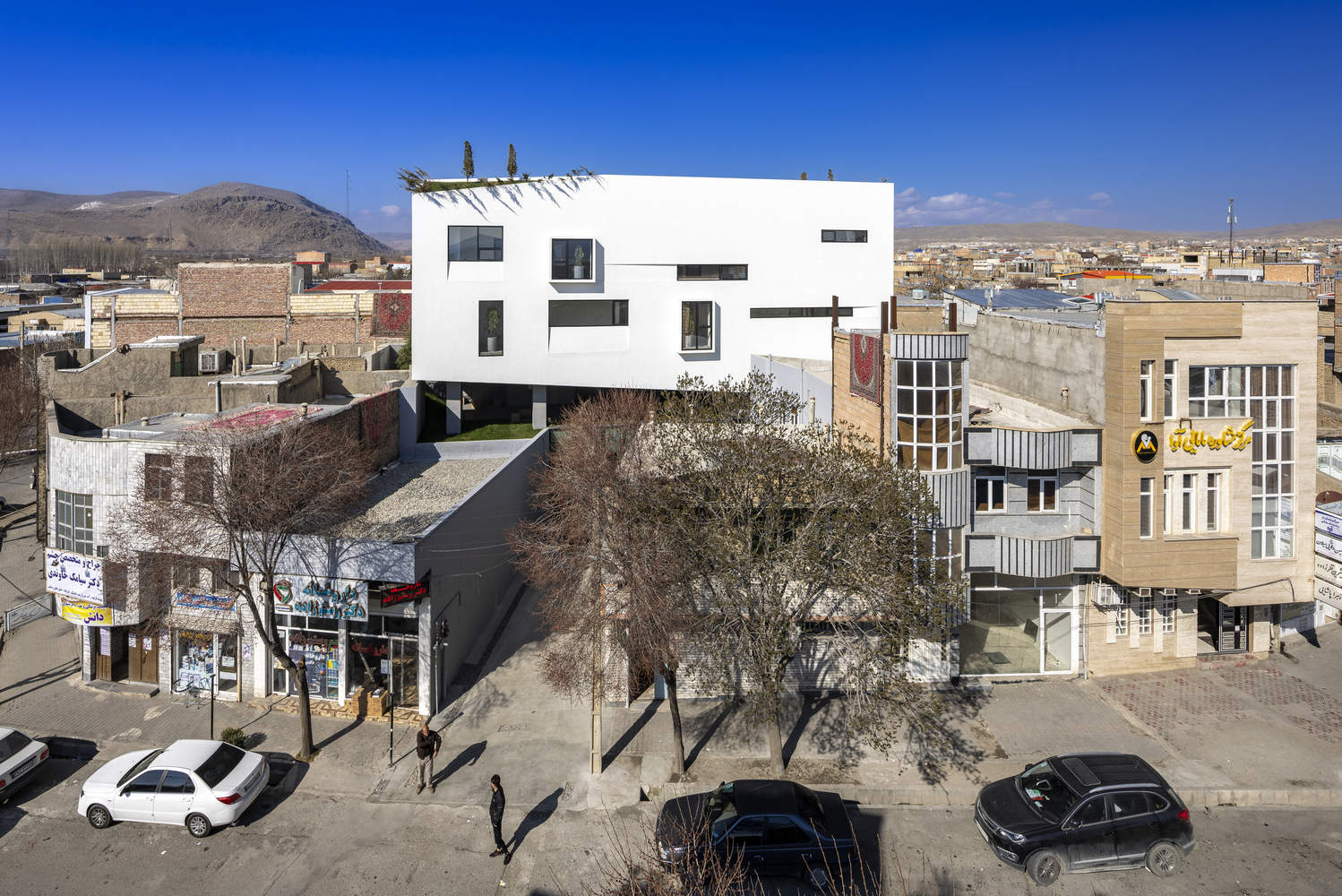
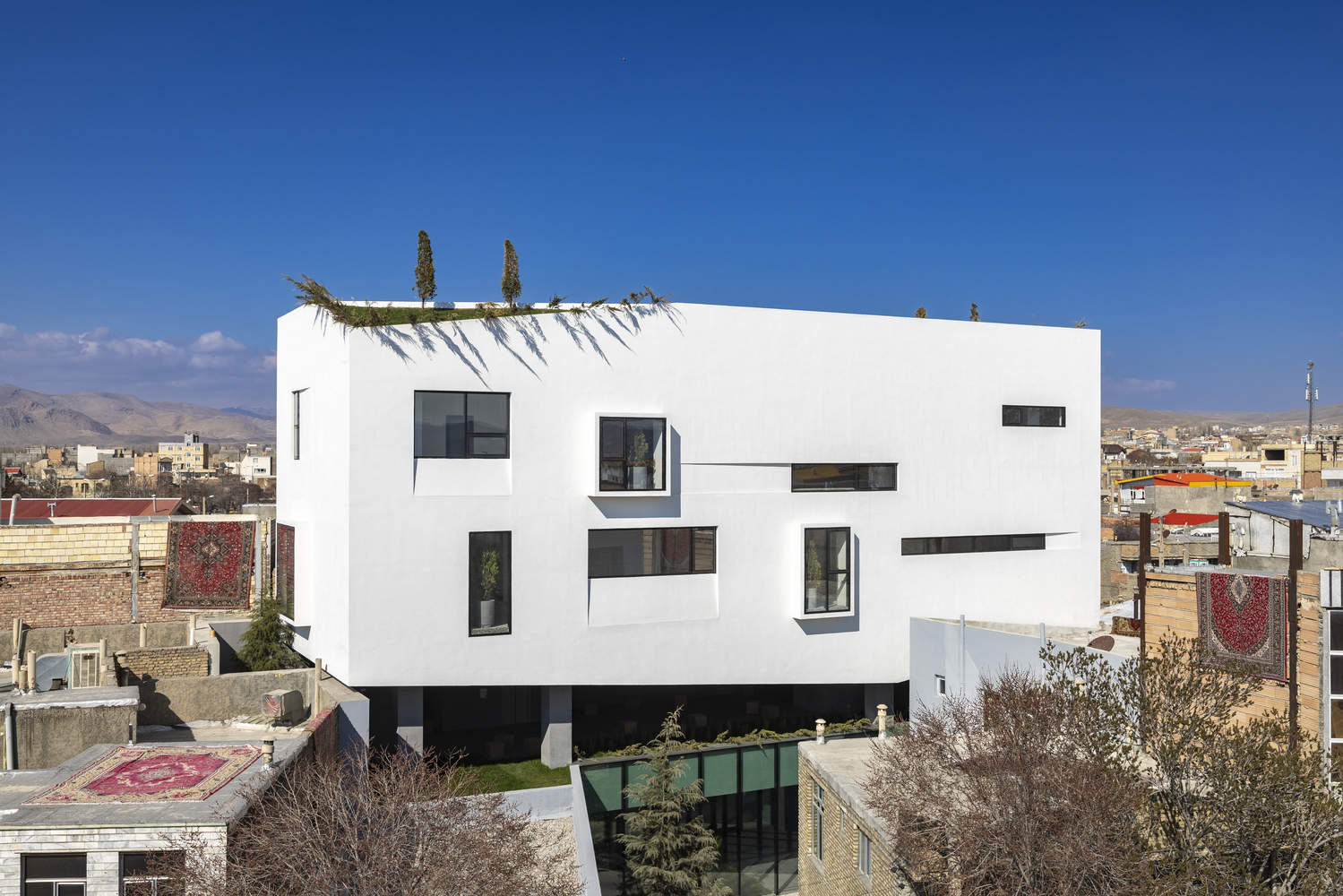
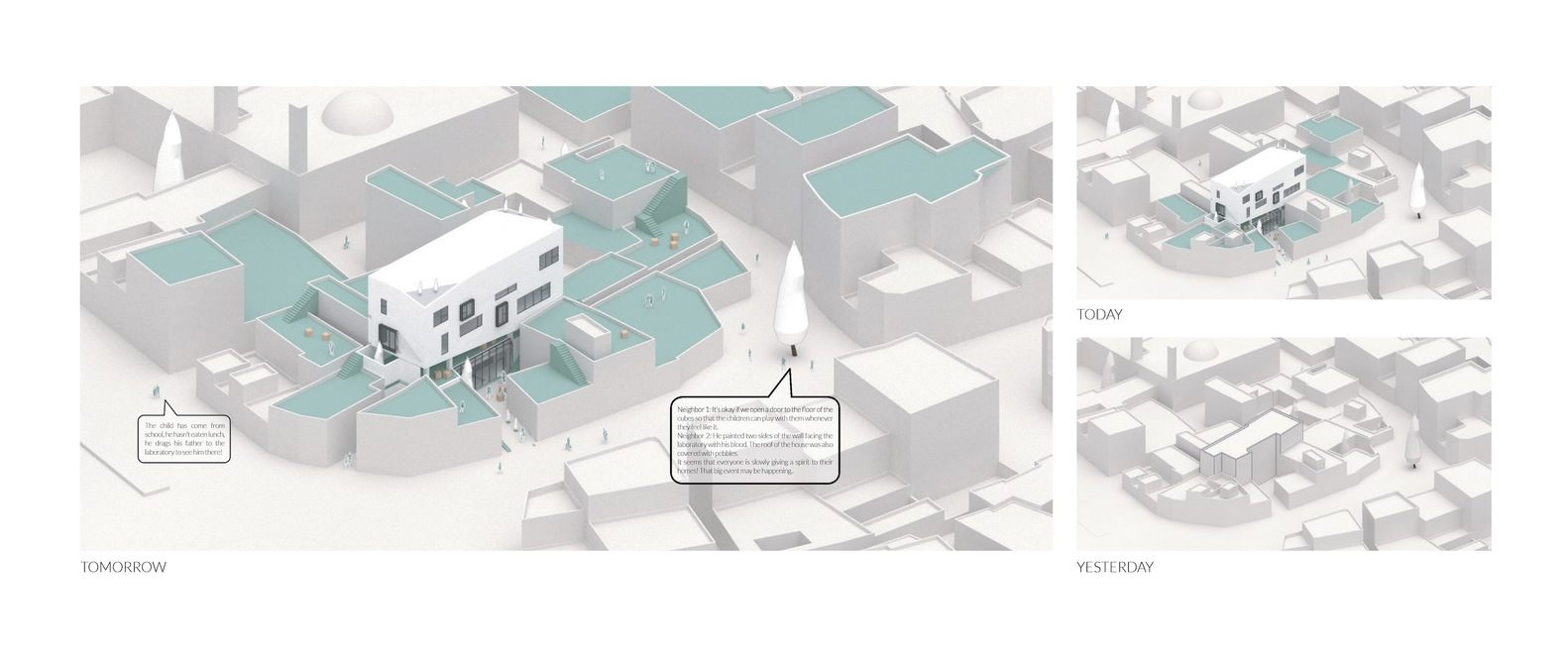
The design of the Kia Lab project aims to create interaction between the city and the building, and add new functional areas to the building, making it a gathering place for the city and making the boundaries between the city and the building invisible.. As a result, the boundary between the two becomes blurred, and users can also interact with a building or a city simultaneously. The concept of "architecture city" is based on on-site research and interviews with residents of the Qarah Ziya od Din district where the site is located. The residents of this city believe that the buildings here need to consider the existence of a sense of security and the addition of coexisting spaces.
建筑-城市
起亚实验室项目的设计意在创在城市与建筑间的互动,并为这栋大楼添加新的功能区域,使其成为城市聚会之所,从而让城市与建筑间的界限变为无形。由此,两者间的界限变得模糊,使用者也可以同时与一栋建筑、一座城市互动。这一“建筑-城市”的概念建立在与场地所在的 Qarah Ziya od Din 区居民间的现场研究及访谈,而这座城市的居民则认为此处的建筑需要考量安全感的存在,以及共存空间的补充。
© Parham Taghioff
深化分析图 02
© Parham Taghioff
深化分析图 03
© Parham Taghioff
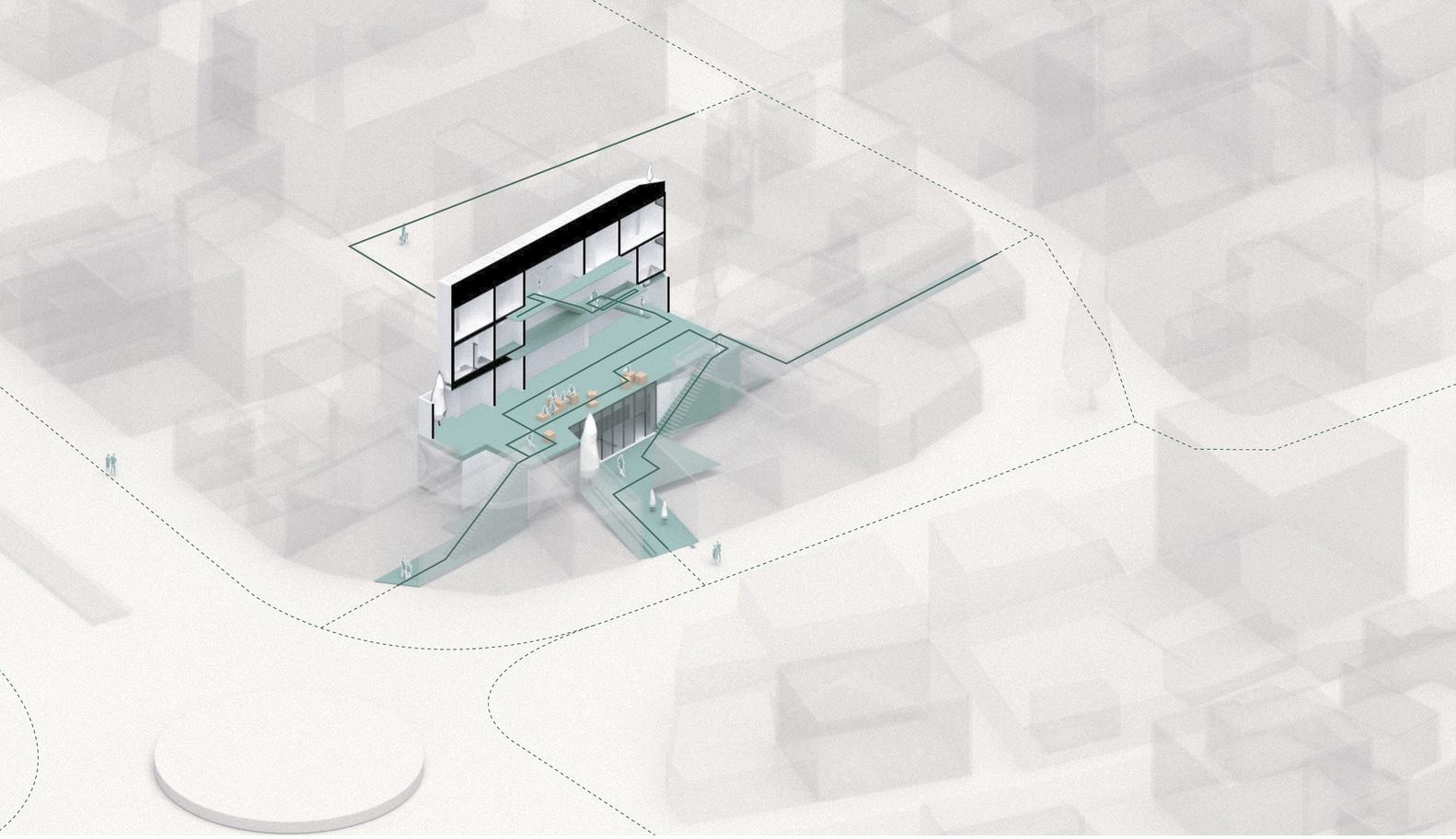
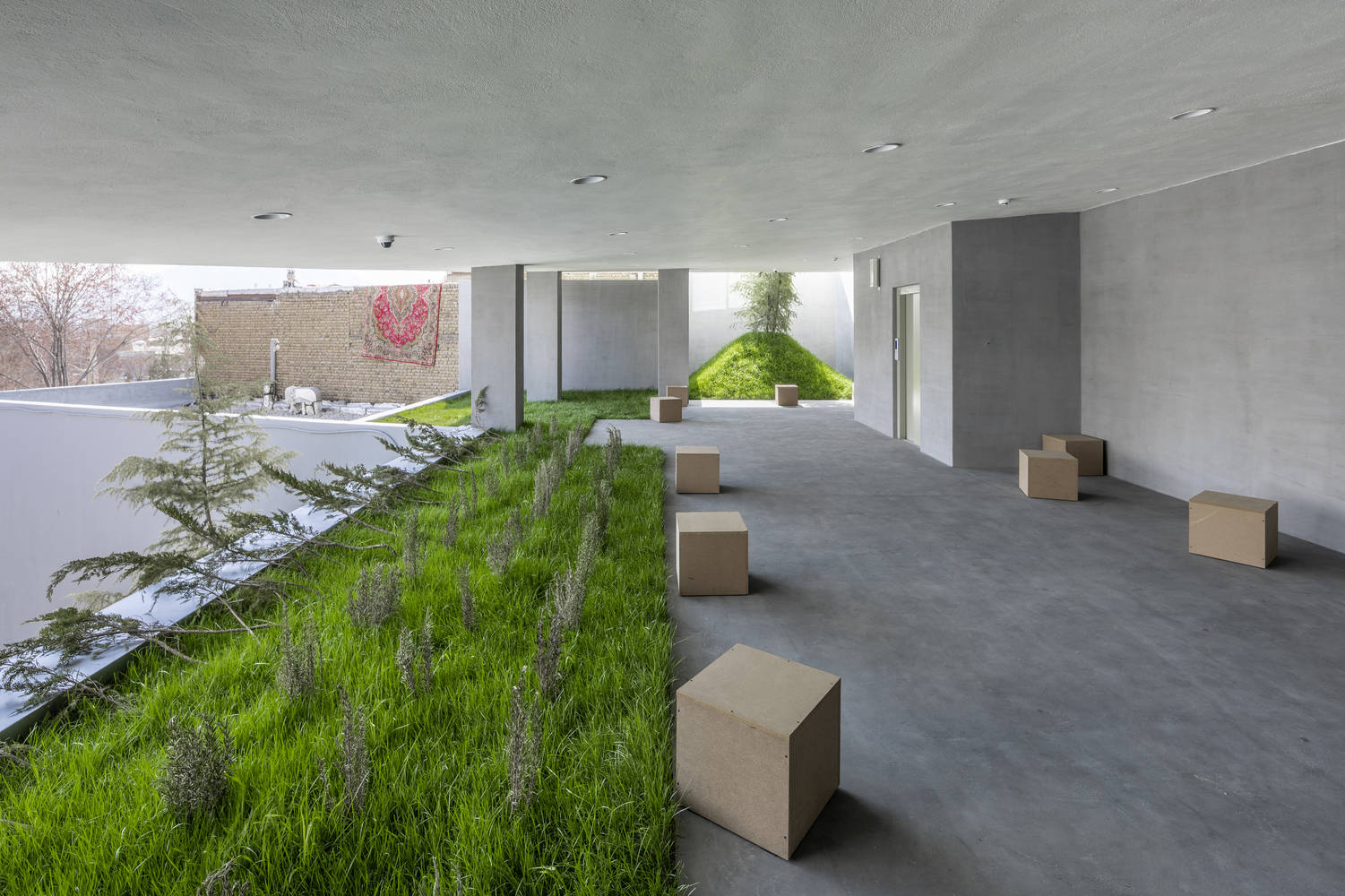
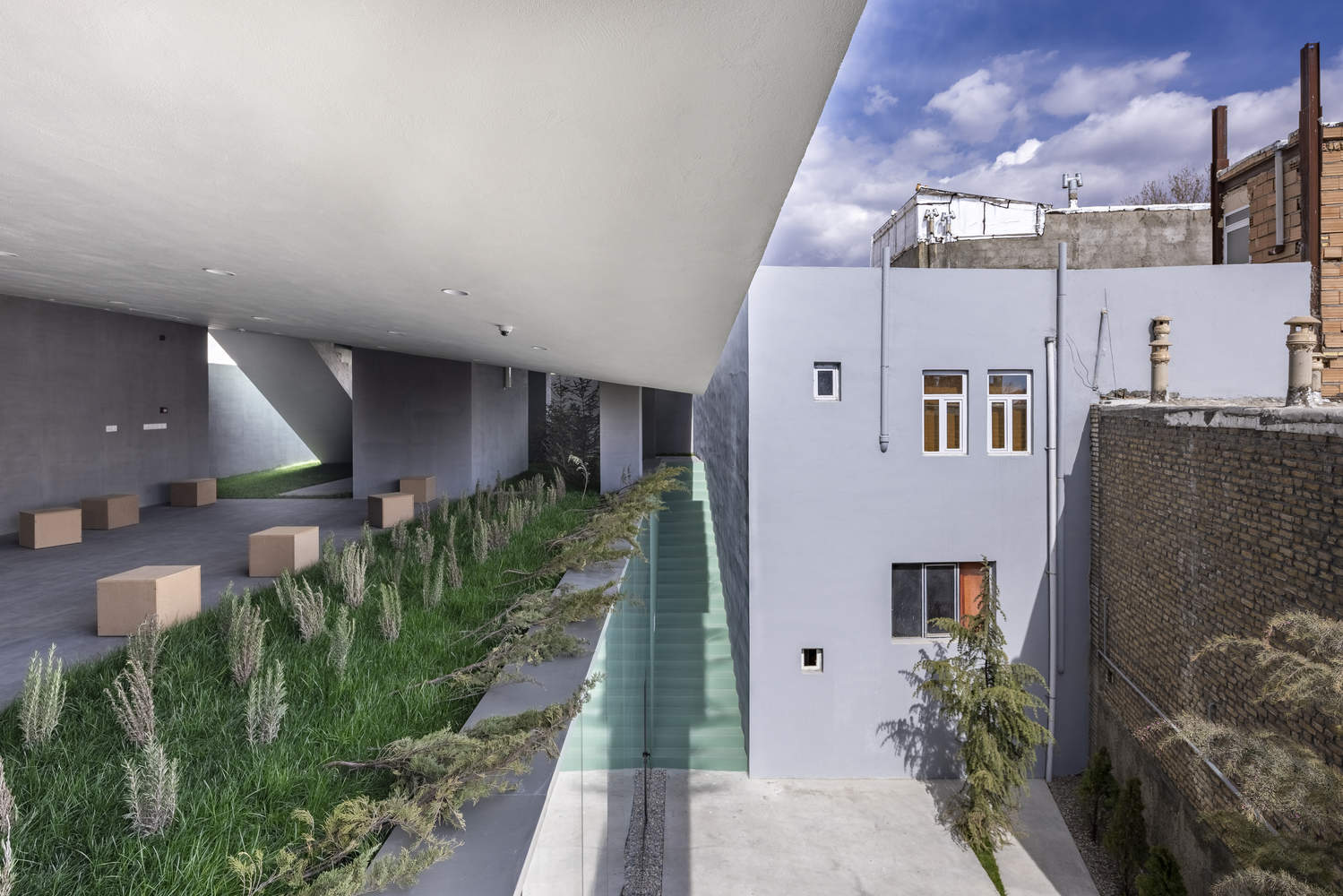
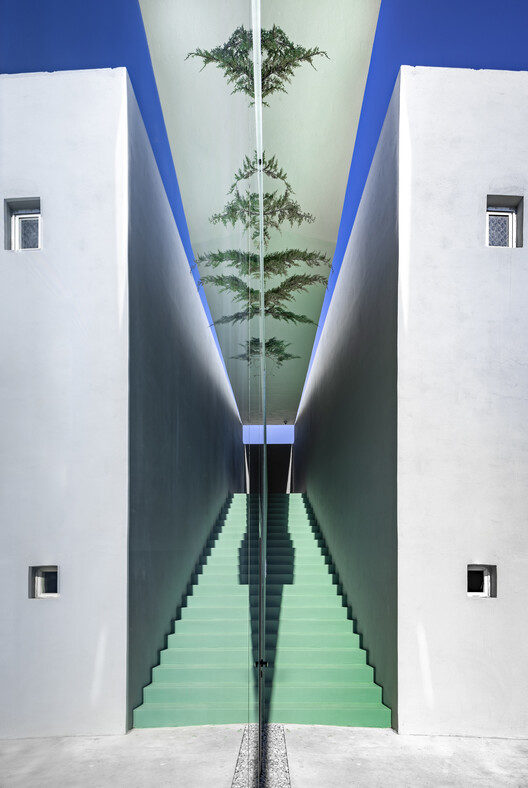
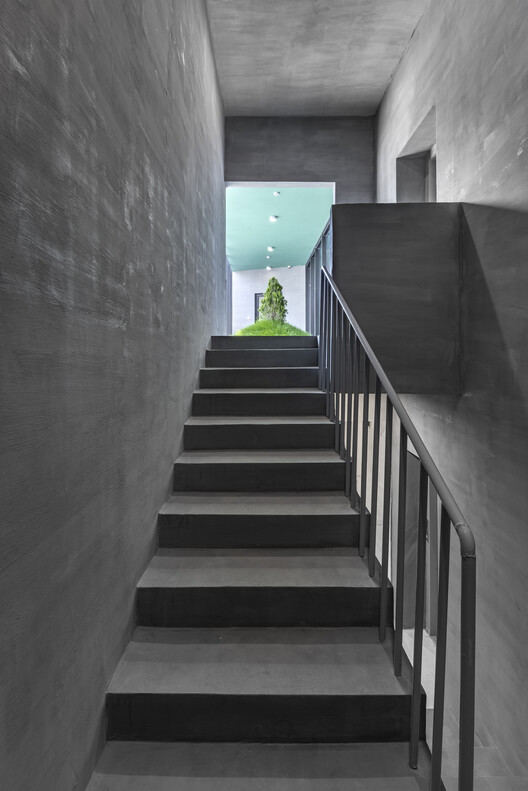
In the ancient history of urban planning and architectural design in Iran, stairs were not only the main element connecting two urban spaces vertically, but also the link between urban space and architecture. In the historical site of Murche Khvort ancient city, stairs possess both of these characteristics. In the design of the Kia Laboratory project, people can reach the second floor of the building through the staircase between the passages, and residents can also enter the building through the staircase and reach the second floor space without entering the building or passing through the first floor. At the same time, the second floor space is also an open area with street views.
在古老的伊朗城市规划及建筑设计历史中,阶梯既是两个城市空间垂直方向联系的主要元素,也是城市空间与建筑间的纽带。在 Murche Khvort 古城的历史场地中,阶梯则同时具备这两个特性。而在起亚实验室项目设计中,人们可以通过通道间的楼梯抵达建筑二层,住户也可以通过楼梯进入大楼,并在不进入建筑或经过一层的情况下,到达二层空间。同时,二层空间也是一个享有街景的空旷区域。
© Parham Taghioff
一层平面图
© Parham Taghioff
Stork Nest
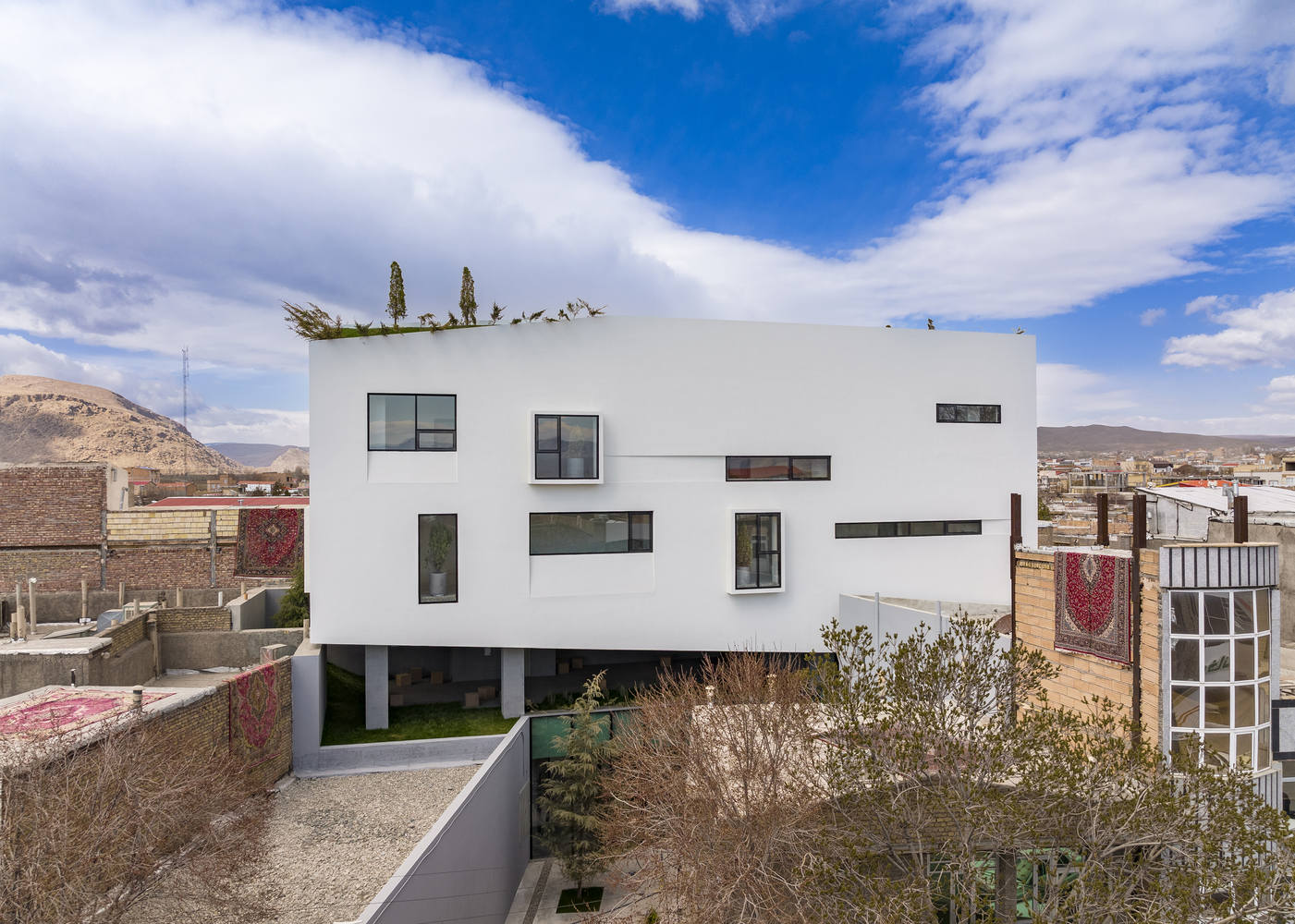
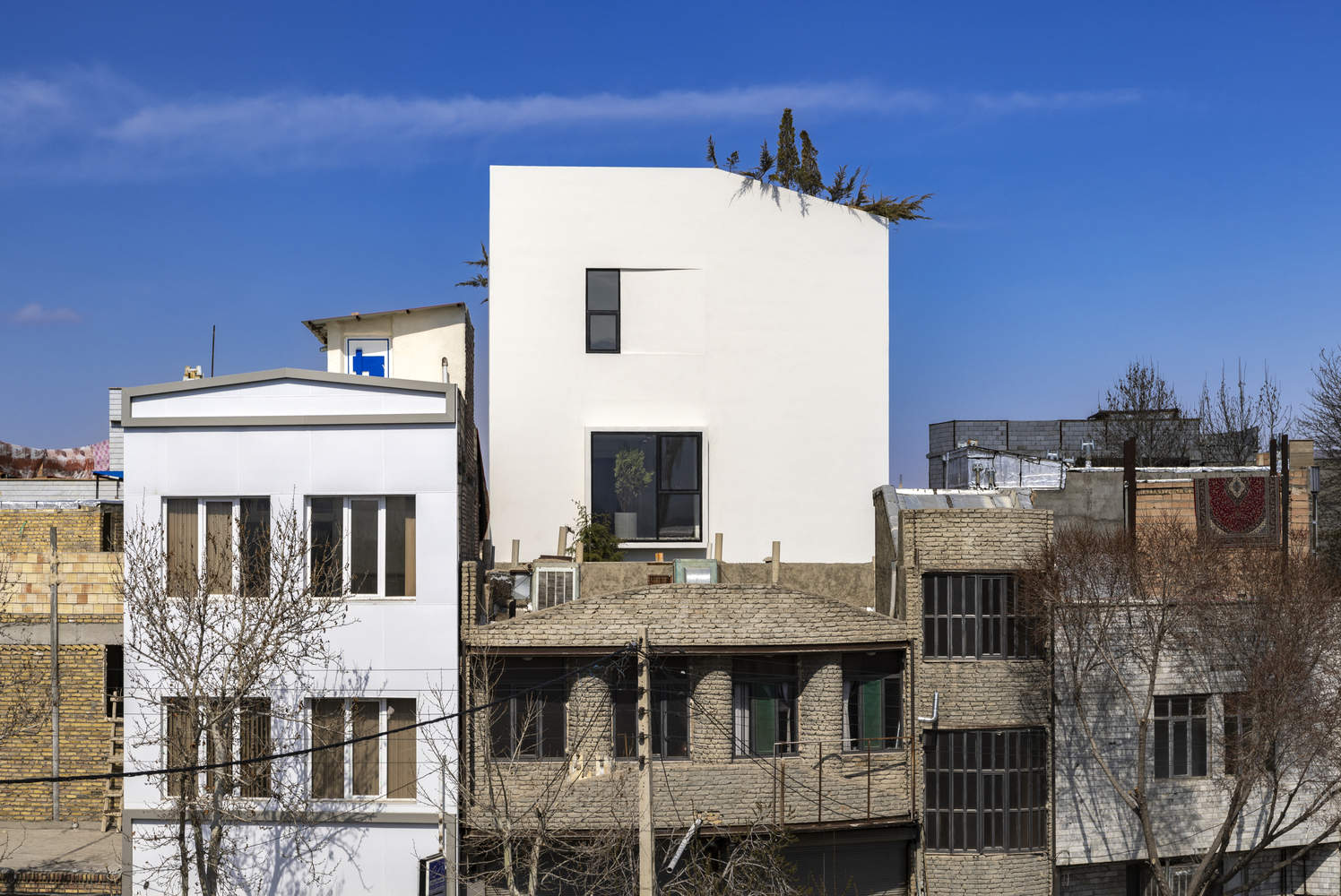
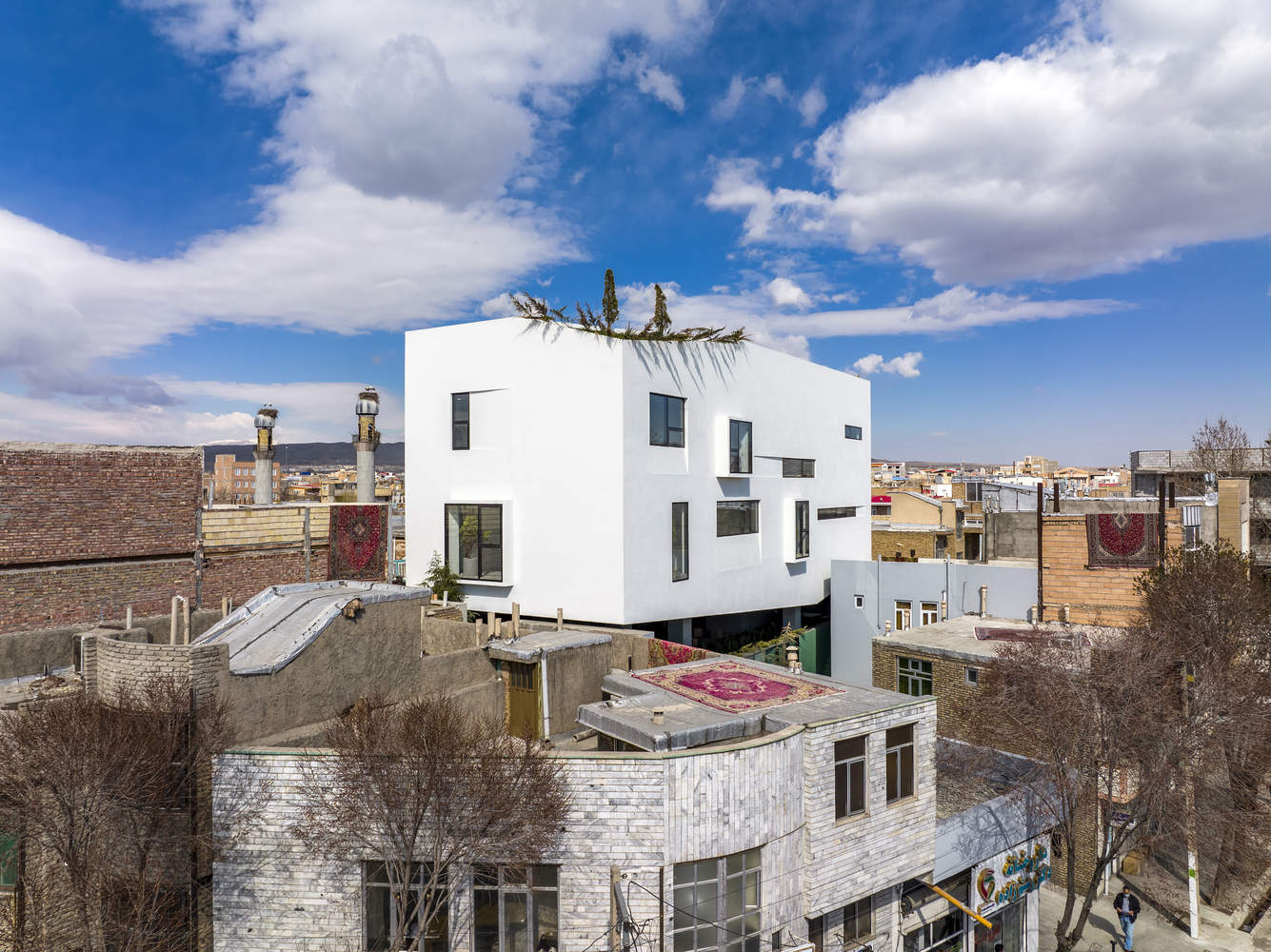
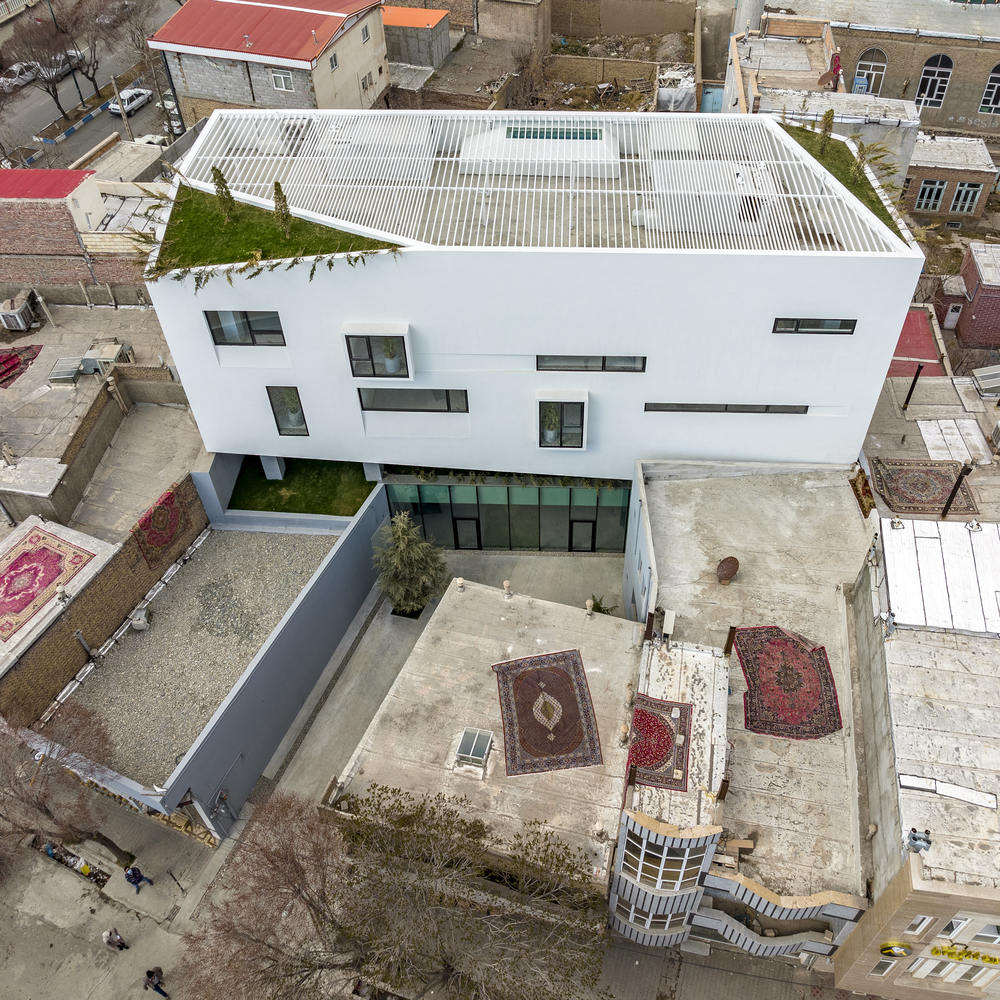
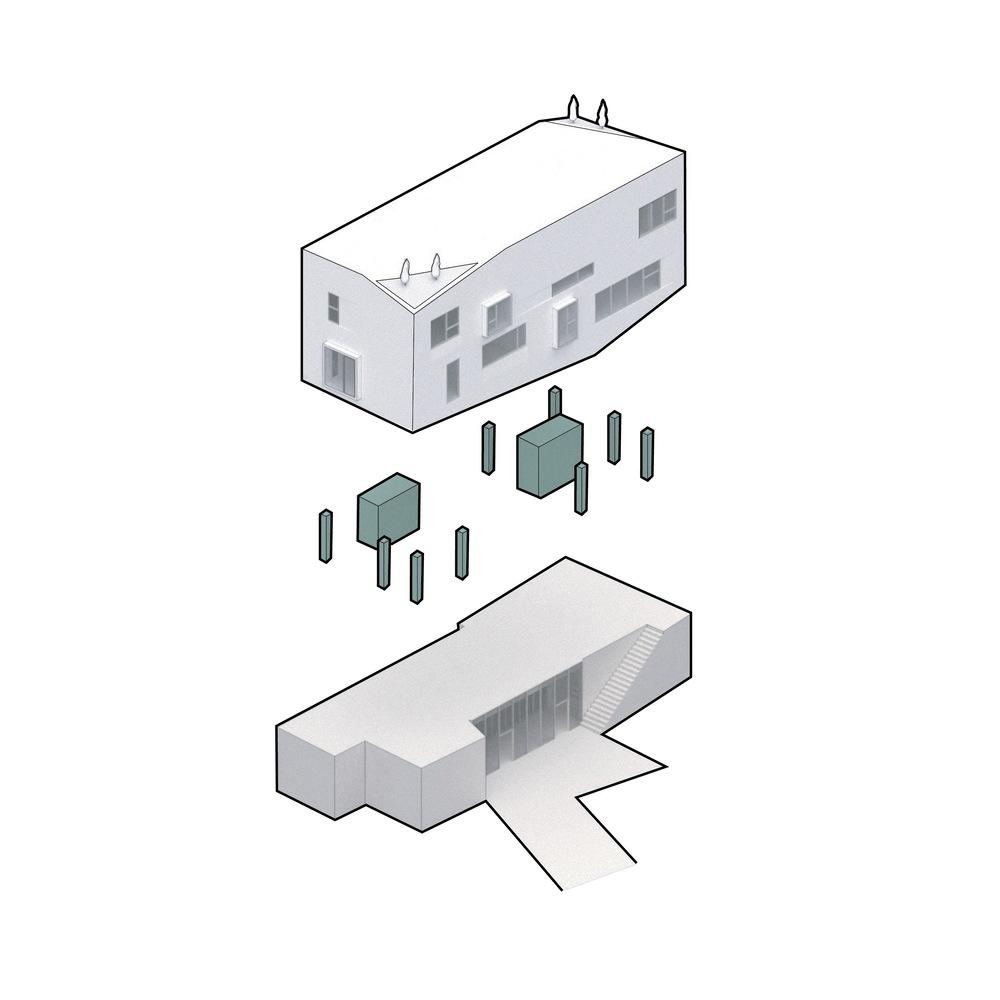
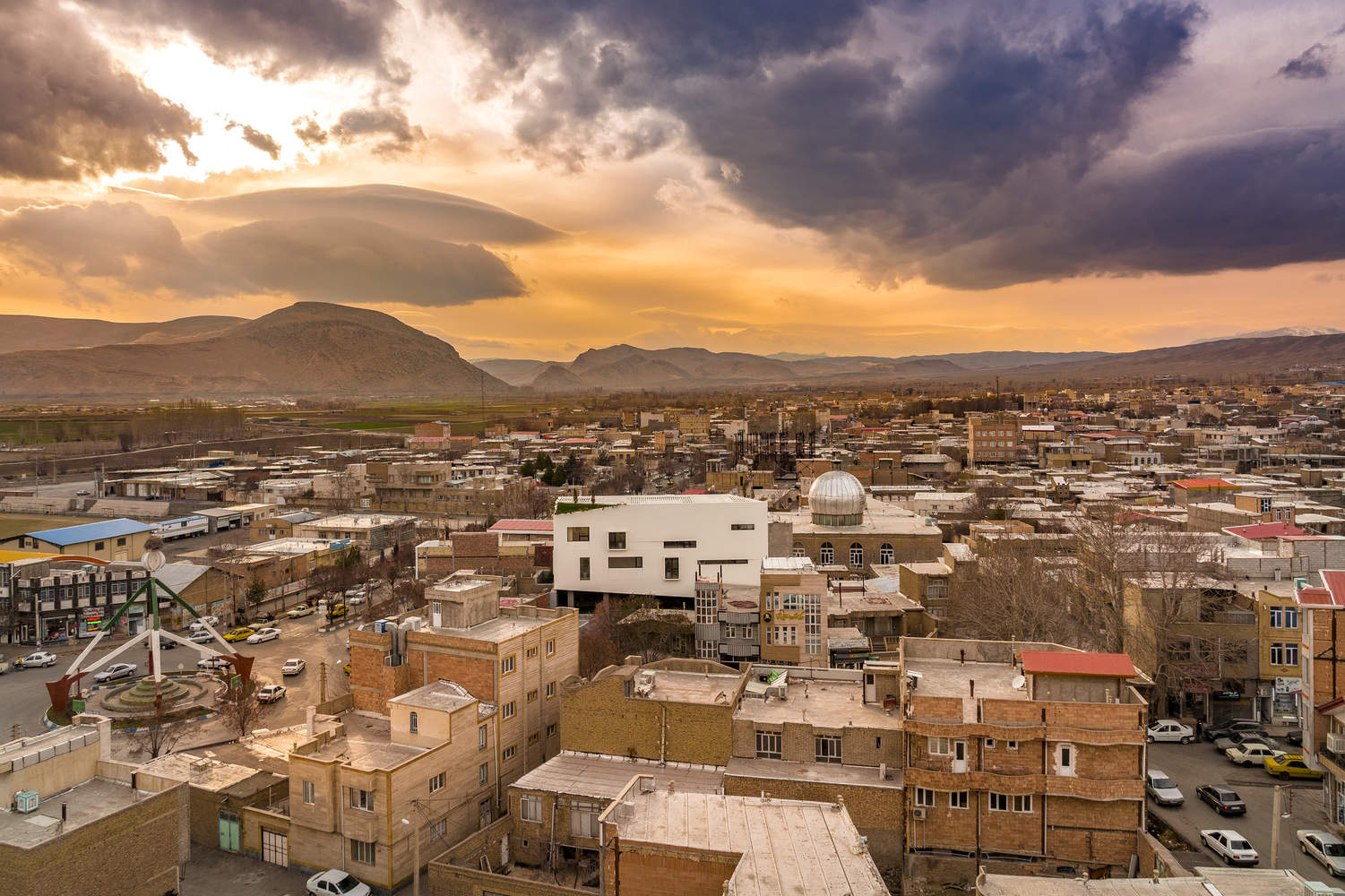
Qarah Ziya od Din is the 'Stork City'. Storks are respected by people throughout the city, and residents have also compiled different folk legends and stories for them. Storks build their nests on the infrastructure prepared for them in the city. The physical structure design of Kia Laboratory is based on the geometry and architecture of this urban area, and the roofs of the neighboring buildings on the middle floor are flush. From this level up, the structure of the building begins to change.
鹳巢
Qarah Ziya od Din 是“鹳之城区”。鹳在整座城市都受到人们的尊敬,居民们也为它们编撰了不同的民间传说和故事。鹳以城市为它们准备的基础设施上筑巢。而起亚实验室的物理结构设计则基于这片城市区域的几何及架构,并且其中间层邻里建筑的屋顶平齐。而从这一层向上,大楼的结构则开始变得不同。
© Parham Taghioff
© Parham Taghioff
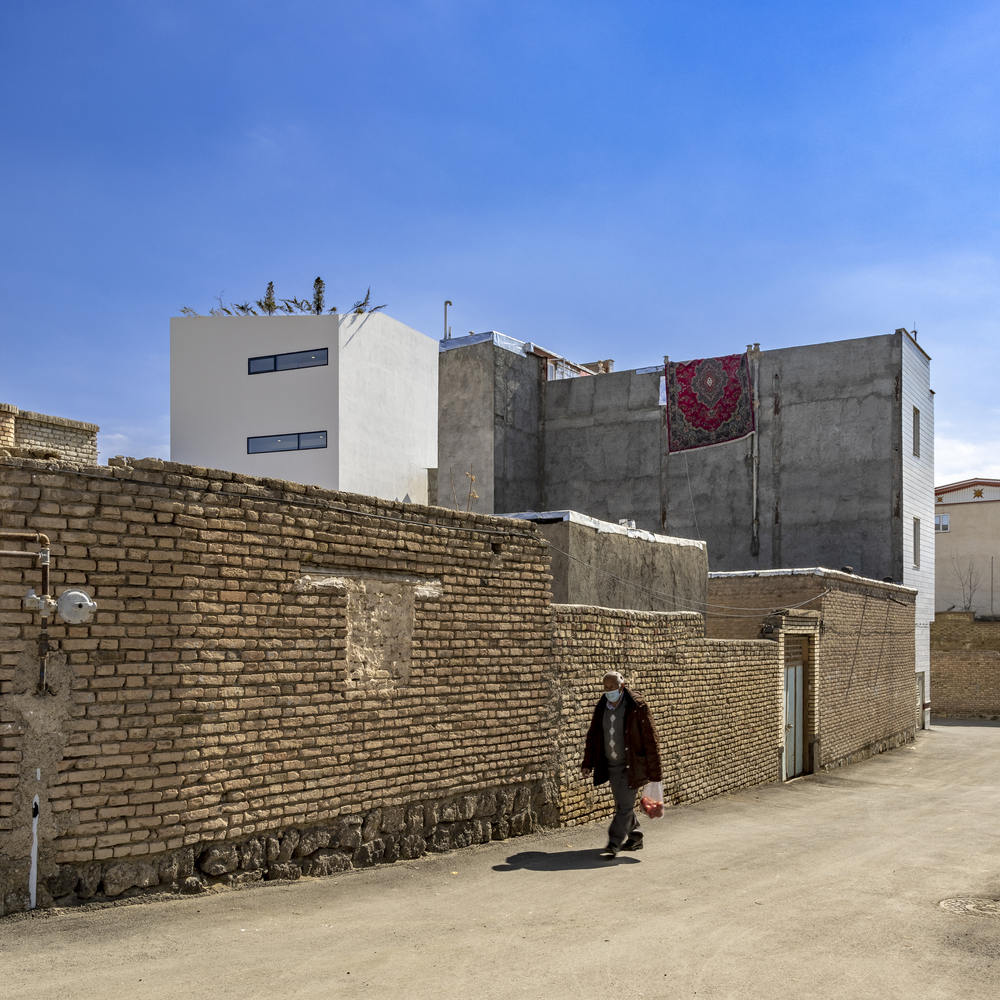
The environment where the Kia laboratory building is located has a unique atmosphere. From ancient times to the present, the residents of this city have not experienced the lowest quality of living space. This' deprivation 'deeply deprives residents of their sense of belonging in the city, making it an inevitable place for them to live in order to enjoy urban services. At the same time, residents also seek natural spaces in the city that can provide a peaceful atmosphere. The architect recognized this demand and lived here for a year to design and implement this project.
起亚实验室建筑所在的环境具有奇特的氛围。从古至今,这座城市的居民并没有经历最低质量的生活空间。这种“剥夺”令人深刻地丧失了城市中的归属感,因此这座城市对居民而言成为了他们为了享受城市服务而不可避免的居住地,同时住民也寻求城市中可以获得平静氛围的自然空间。建筑师看到了这一需求,并且为了这一项目的设计与实施在此地居住、生活了长达一年的时间。
© Parham Taghioff
分析图
© Parham Taghioff
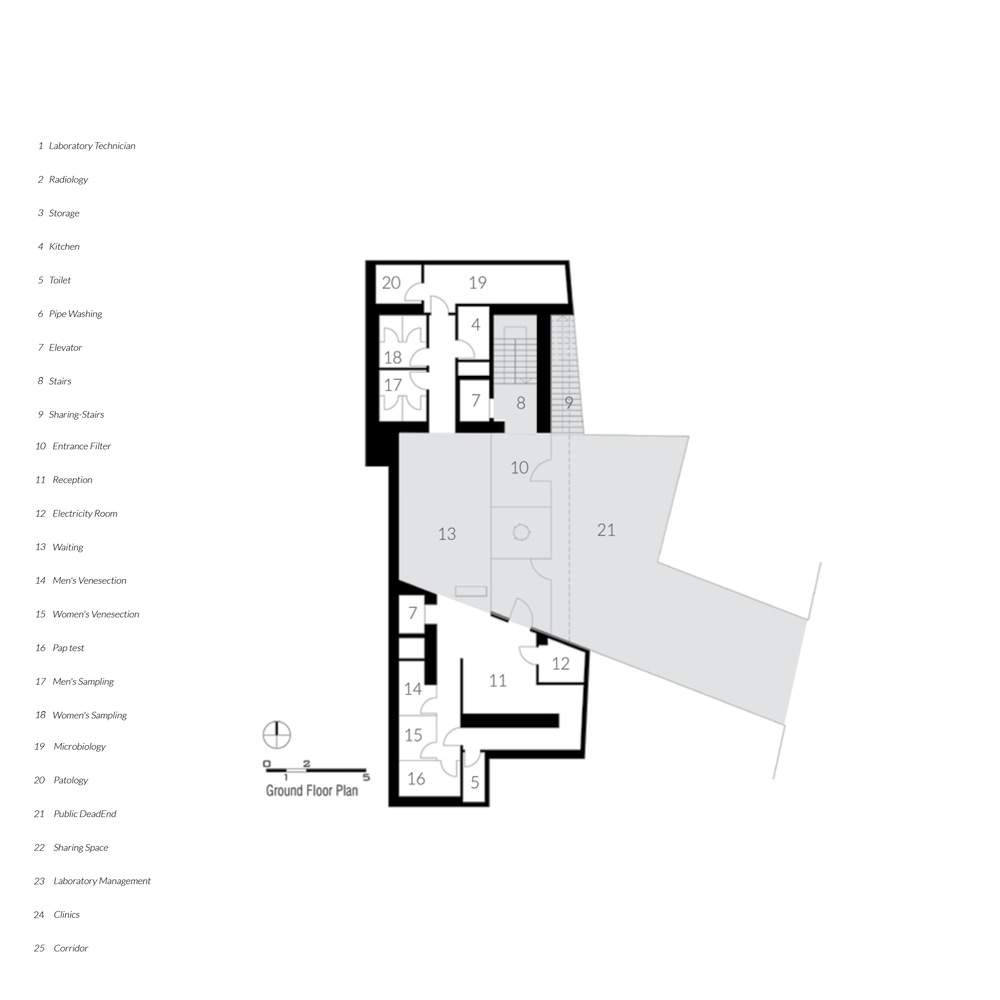
The design of the Kia laboratory project began with on-site inspections and interviews with local people. This city has a surprisingly moderate level of safety. During the interview, the architect did not find any issues of theft or harassment reported by citizens, while many people complained about the lack of public spaces in the city. The concept of the project is based on the analysis of these reports and focuses on creating a shared space within the project. This public space occupies the second floor and is connected to public roads and stairs, allowing urban residents to cross the city space without entering the building. As a result, urban streets are able to continue within buildings.
起亚实验室项目的设计始于实地考察、以及与对当地人的访谈。这座城市有着令人吃惊的适当安全度。在采访过程中,建筑师没有发现任何市民反映的盗窃、骚扰一类的问题,而许多人都在抱怨城市缺少公共空间。项目的理念基于这些报告的分析,并在项目中重点打造共享空间。这一公共空间占据了二层,并与公共道路和阶梯相连,因此城市居民则可以在无需进入建筑物的情况下穿越城市空间。也因此,城市街道在建筑内部中得以延续。
译者:黄菁菲 Jingfei Huang
© Parham Taghioff