South African Farm Blind Hope Hospital integrates art and faces nature/LEMEG Architects
南非农场盲人希望医院,融入艺术、面向自然 / LEMEG Architects
以人为本的创新设计: 这个项目最突出的亮点在于其以患者为中心的理念。 区别于传统医院冰冷和效率至上的设计,该项目将患者体验放在首位。通过使用温暖的自然材料、清晰的视线,以及与自然环境的无缝融合,创造了一个能够缓解焦虑、促进康复的场所。 尤其是针对视障患者的特殊考量,例如无缝的步骤设计和直观的导航系统,体现了设计师对细节的极致关注,也彰显了项目对特殊人群的关怀。这种设计理念的转变,是项目最宝贵的精髓,它重新定义了医疗建筑的价值,将患者的生理和心理健康放在了同等重要的位置。
艺术与自然的和谐统一: 该项目将艺术元素巧妙地融入到医疗流程中,为患者提供了独特的体验。“第一缕光计划”的巧妙运用,以及艺术品在康复过程中的陈列,不仅丰富了患者的精神世界,也赋予了医疗行为更深层次的意义。 此外,项目对自然环境的尊重与利用也达到了极致。将医院嵌入灌木丛生的环境中,每个空间都拥有开阔的户外视野,使患者能够与自然亲密接触。这种设计不仅有助于患者的身心康复,也赋予了医院独特的魅力。将艺术与自然相结合,创造了一种包容、治愈的氛围,是项目成功的关键之一。
可持续发展的实践典范: 项目对可持续性的重视,体现在其对当地材料的选择、对生态环境的保护以及对当地社区的支持。 使用现场挖掘的石材和当地生产的砖块,不仅降低了建筑成本,也使医院与周围环境融为一体。 通过精心设计屋顶、遮阳屏和排水系统,最大限度地减少了对现有树木的干扰,体现了对生态环境的尊重。 更为重要的是,医院积极参与保护和教育活动,为当地社区带来积极影响。 这种对可持续发展的全面考量,使其不仅仅是一座医院,更是一个负责任的社区建设者,为医疗建筑的可持续发展提供了有价值的参考。
© Derius Erasmus
© Alet Pretorius
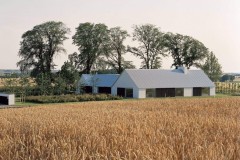
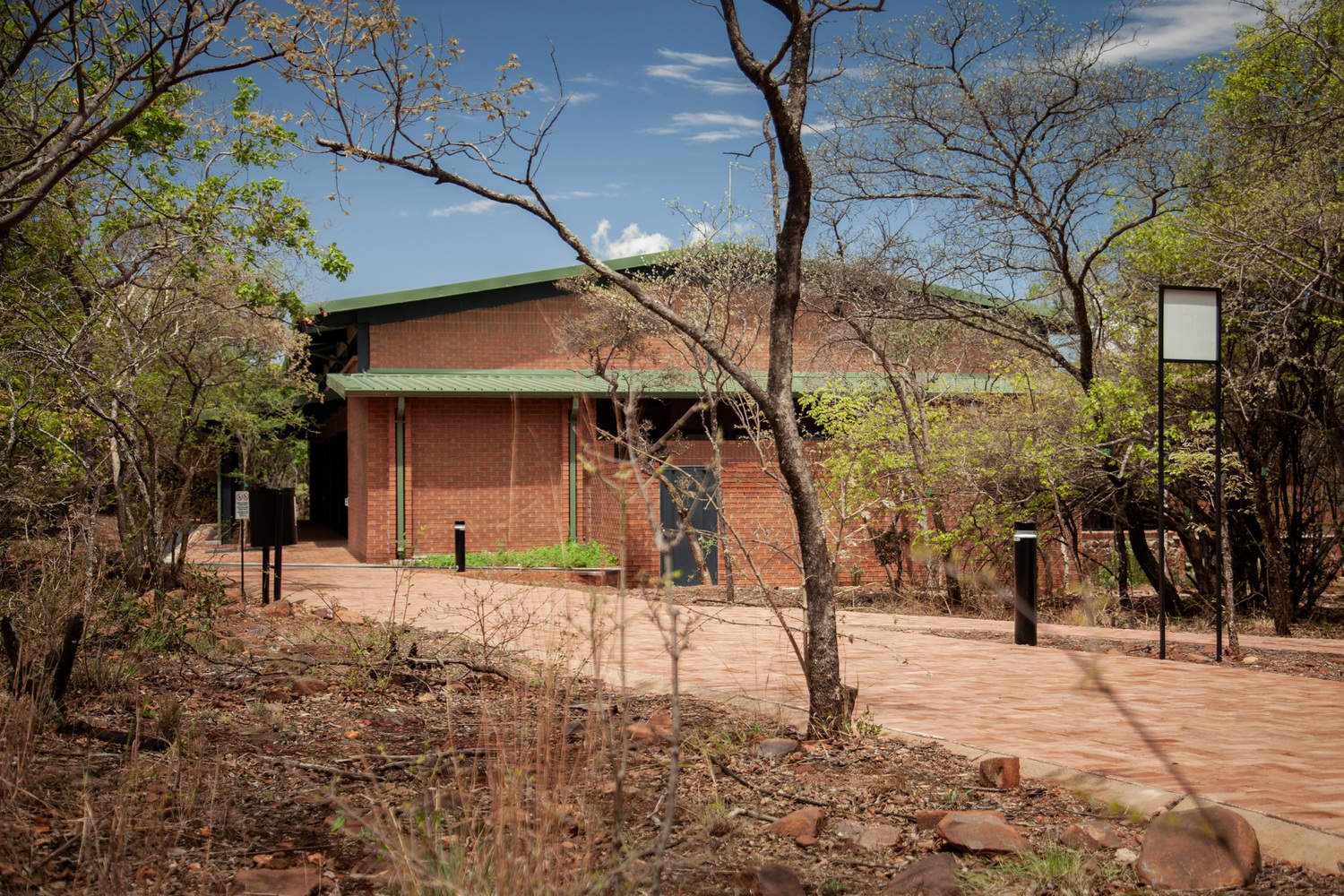
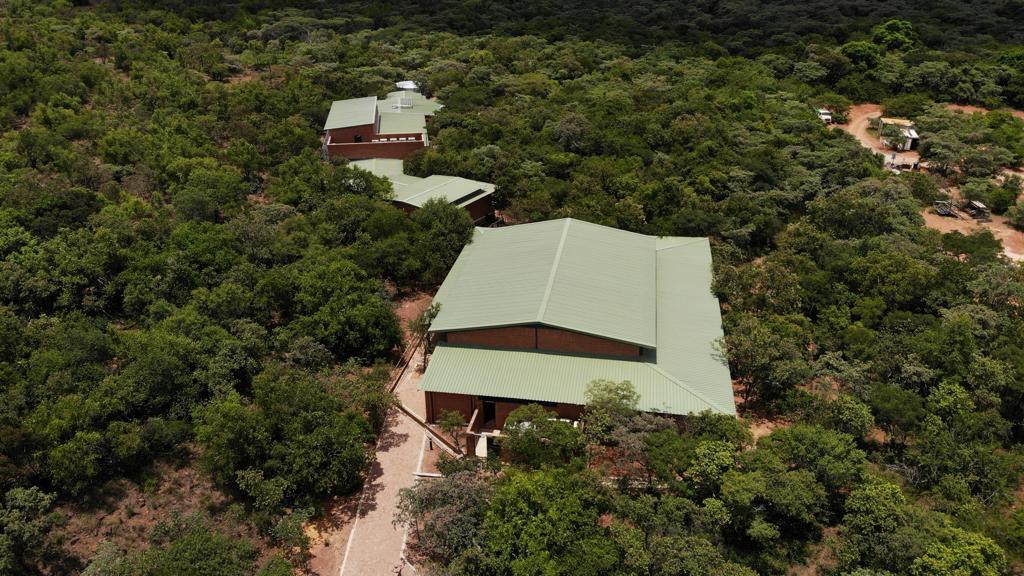
Traditional hospitals often prioritize efficiency over patient experience, creating a sterile and inhumane environment. And this project challenges this conventional approach by combining excellent medical services with a design philosophy that is people-oriented and integrated with nature. From its pioneering cross subsidy model to the integration of art and wildlife elements, the Blind Hope Hospital represents a fundamental shift in hospital design and experience. The hospital is located on a hunting farm in Modi Mole, South Africa, dedicated to promoting the recovery of patients, upholding their dignity, and establishing a connection with nature.
传统医院往往将效率置于患者体验之上,营造出无菌且缺乏人情味的环境。而该项目则通过将卓越的医疗服务与以人为本、融入自然的设计理念相结合,挑战了这一常规。从其开创性的交叉补贴模式到融入艺术与野生动物元素,盲人希望医院代表了医院设计与体验方式的根本性转变。该医院坐落于南非莫迪莫勒的一个狩猎农场内,致力于促进患者的康复、维护其尊严,并建立与自然的联系。
© Derius Erasmus
© Derius Erasmus
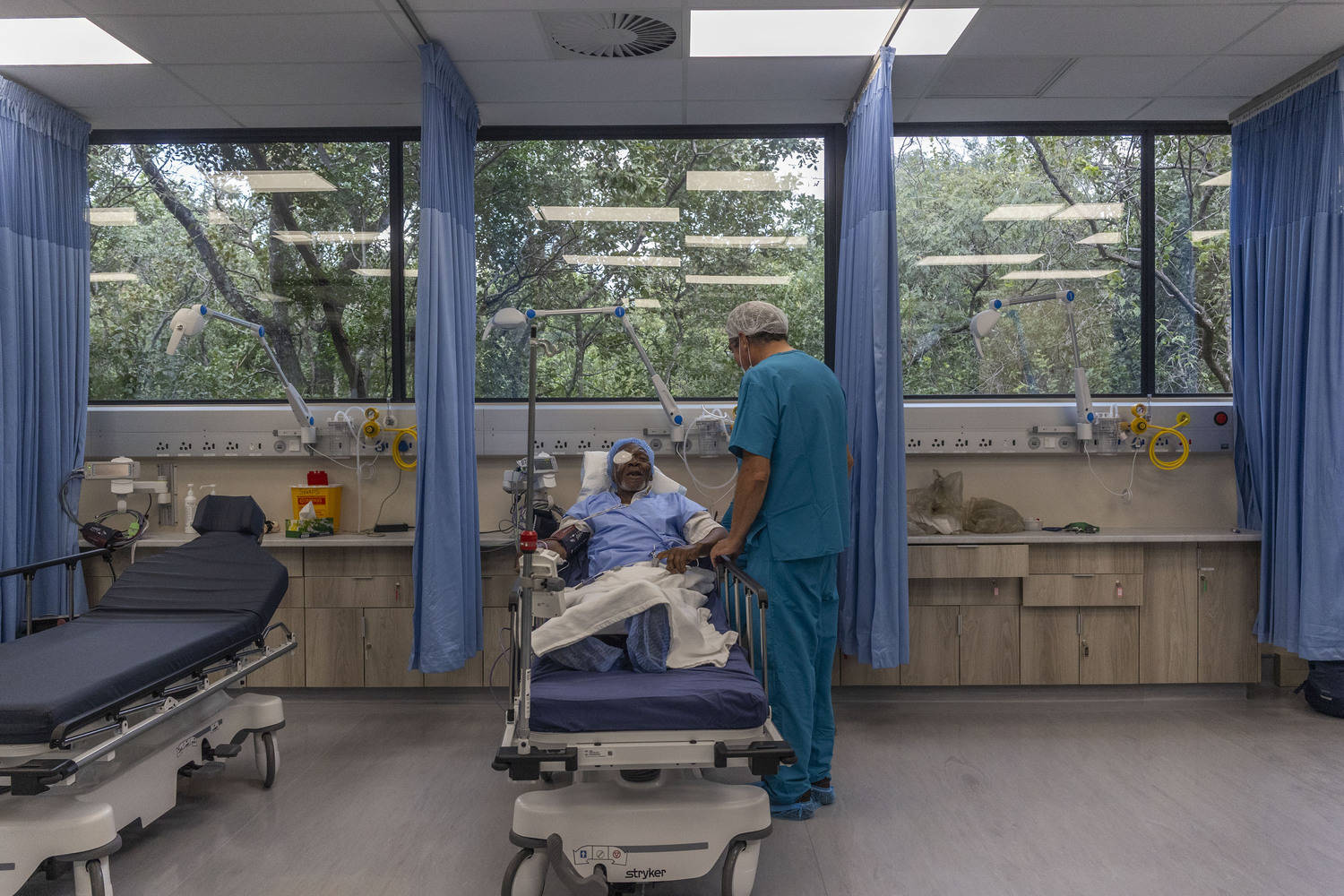
Unlike conventional hospitals, this hospital is warm and user-friendly. The warm natural materials, clear vision, and peaceful scenery together alleviate the patient's anxiety. The design decomposes long waiting times into seamless steps and ensures intuitive navigation, thereby minimizing patient stress, especially for visually impaired patients. Specialized doctor corridors have improved medical efficiency, while elevated central management islands have enabled real-time monitoring of patient conditions.
与常规医院不同,这家医院温馨且直观易用。温暖的天然材料、清晰的视线以及宁静的景致,共同缓解了患者的焦虑情绪。设计通过将漫长的等待时间分解为无缝衔接的步骤,并确保直观的导航,从而最大程度地减轻了患者的压力,特别是对视障患者而言。专门的医生走廊提高了医疗效率,而抬高的中央管理岛则实现了对患者情况的实时监控。
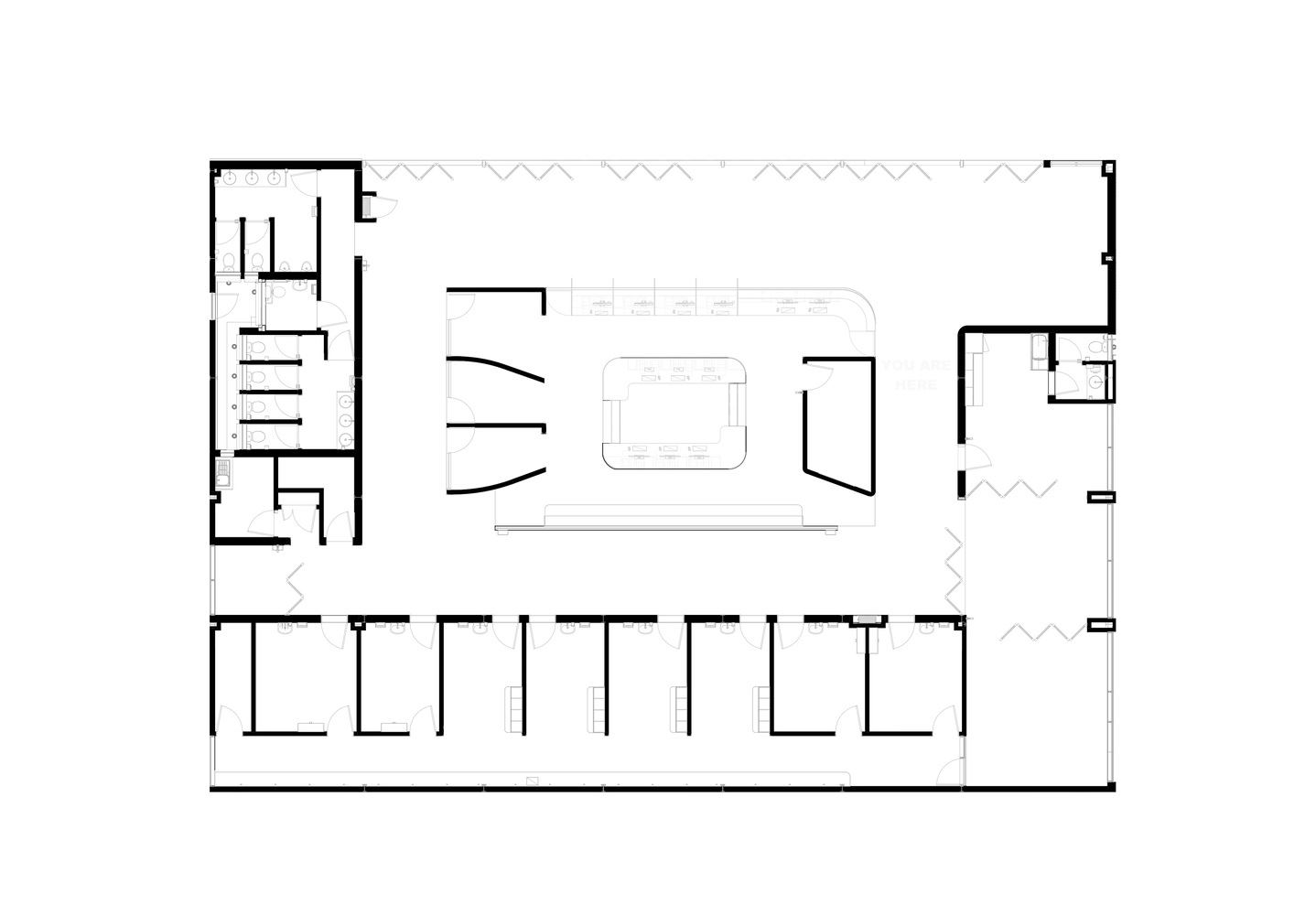
诊所平面图
One of the major features of this hospital is the integration of artistic elements. The 'First Ray of Light Project', as a fundraising activity, has been cleverly integrated into the patient's medical process, providing a profound experience for those who have regained their sight. Works created by artists such as Nelson Makamo and William Kentridge are displayed in the gallery, which is located in the final stage of the treatment process to ensure that art becomes a part of the rehabilitation process.
该医院的一大特色是融入了艺术元素。“第一缕光计划”作为一项筹款活动,被巧妙地融入患者的就医流程中,为重见光明者提供深刻的体验。由纳尔逊·马卡莫(Nelson Makamo)和威廉·肯特里奇(William Kentridge)等艺术家创作的作品陈列于画廊中,画廊设置在治疗过程的最后阶段,确保艺术成为康复过程的一部分。
© Derius Erasmus
© Alet Pretorius
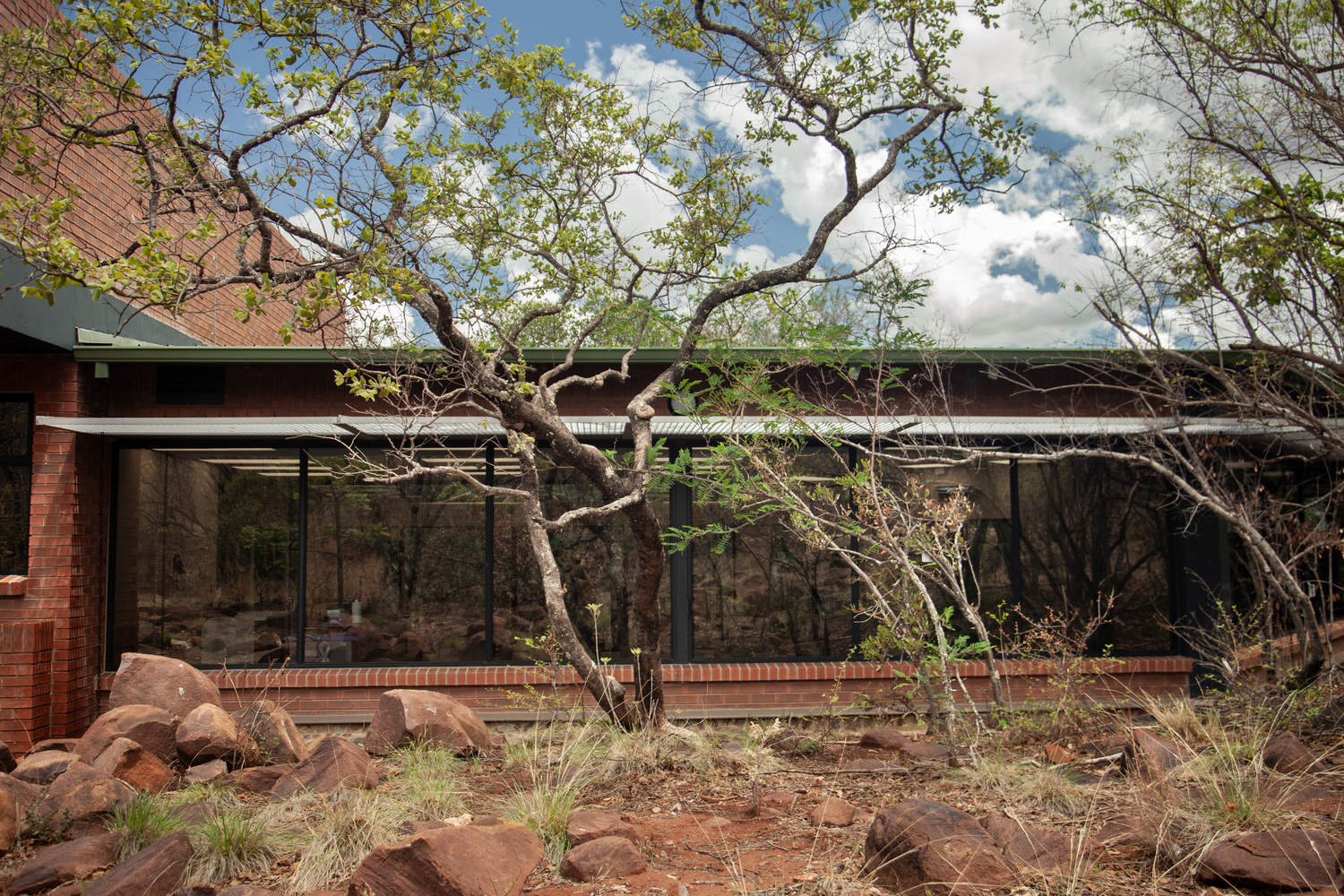
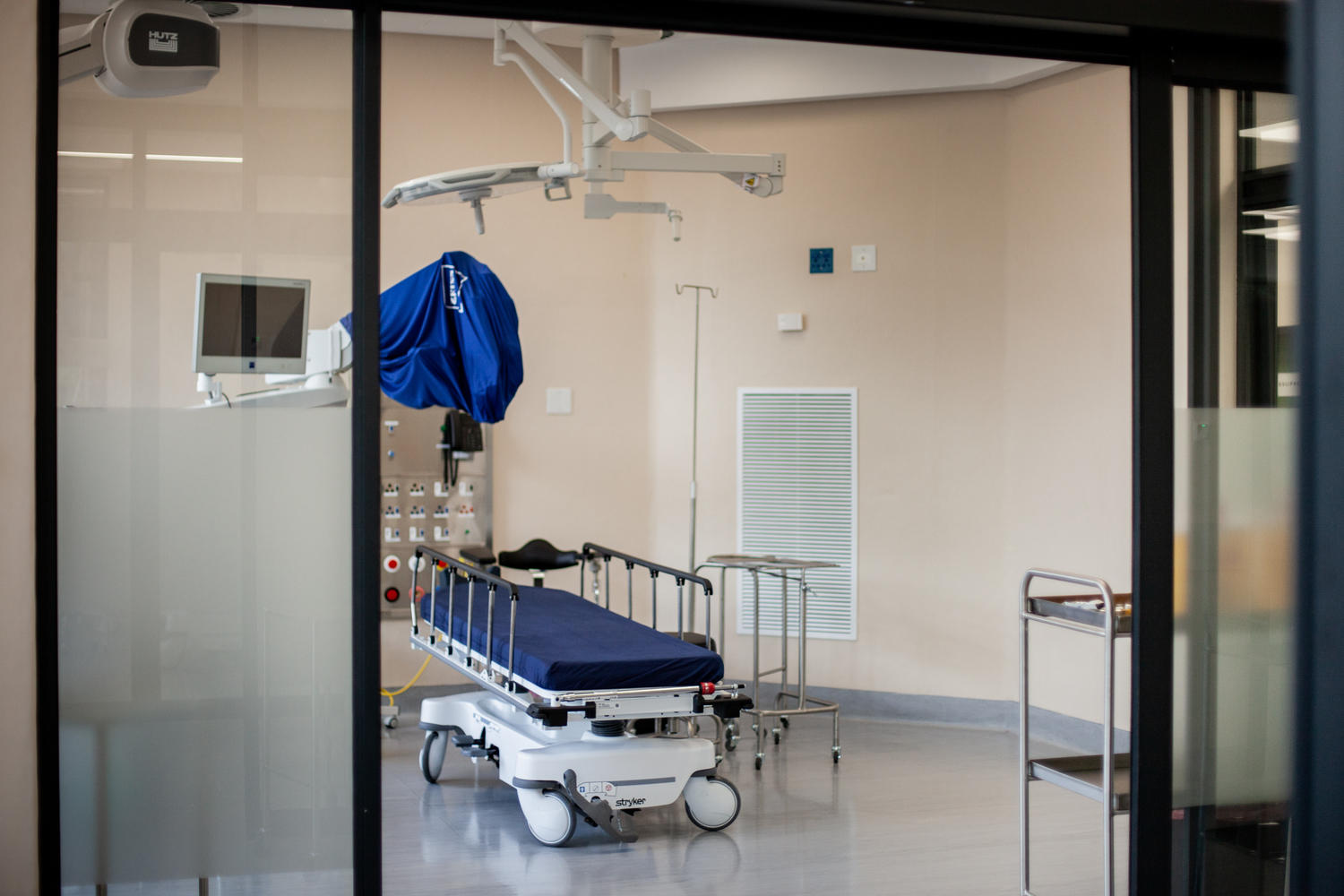
Nature occupies a central position in the design of this hospital. The hospital did not isolate patients, but instead immersed them in a bushy environment, with each space providing direct outdoor views. A glass enclosed patient passage winds around a mature Mauper tree, creating a peaceful atmosphere for the transition phase before surgery. Natural light entering the operating room helps medical staff concentrate and improves the atmosphere of the operating room. Patients and visitors can also observe local wildlife and native birds, further strengthening the connection between health and nature.
自然在该医院的设计中占据核心地位。医院并未将患者隔绝起来,而是让他们沉浸在灌木丛生的环境中,每个空间都提供直接的户外视野。一条玻璃封闭的患者通道环绕着一棵成熟的莫佩尔树蜿蜒前行,为手术前的过渡阶段营造出宁静的氛围。自然光透入手术室,有助于医护人员集中注意力,同时改善了手术室氛围。患者和访客还可以观赏当地的野生动物和本土鸟类,进一步强化了健康与自然之间的联系。
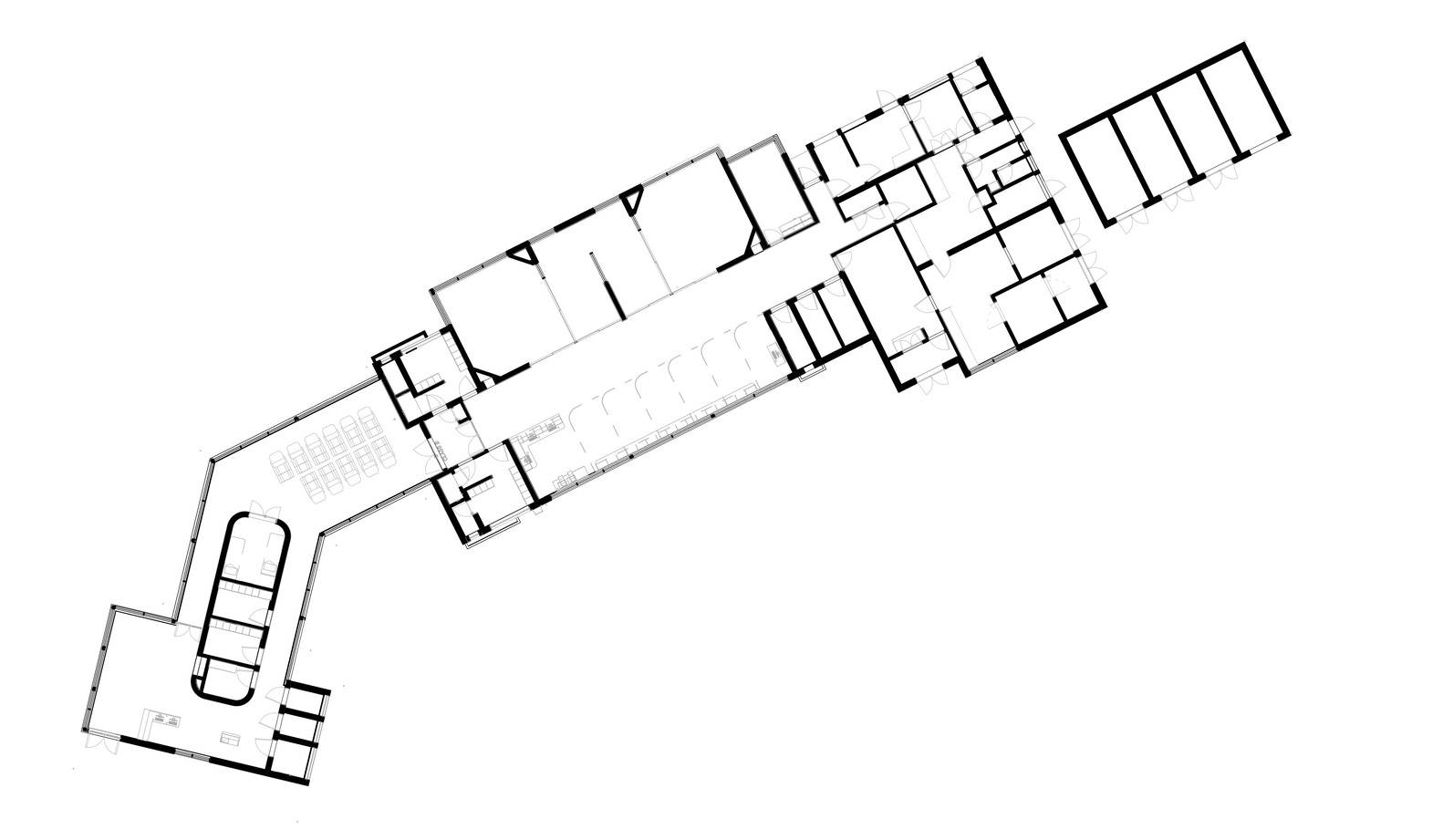
手术室平面图
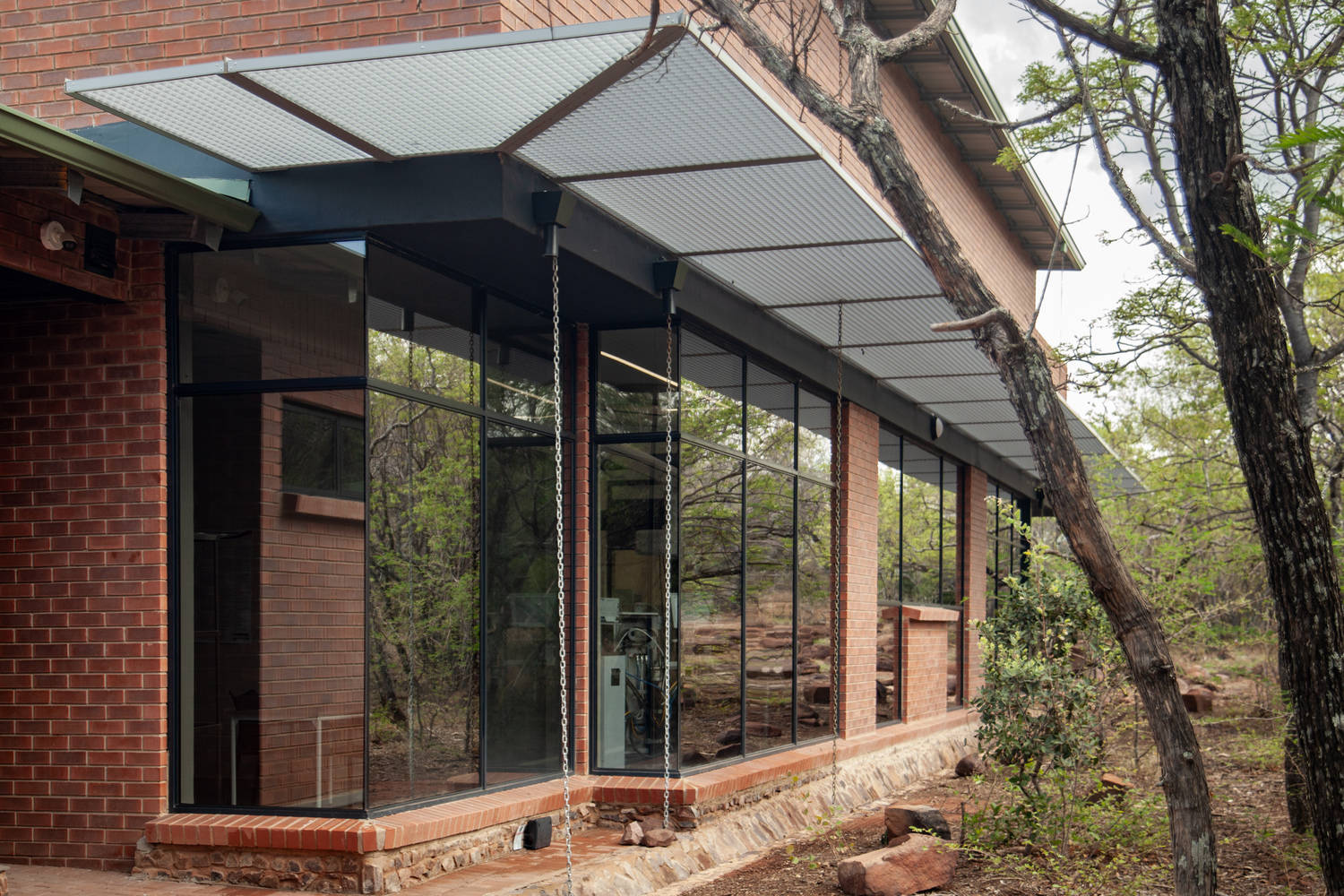
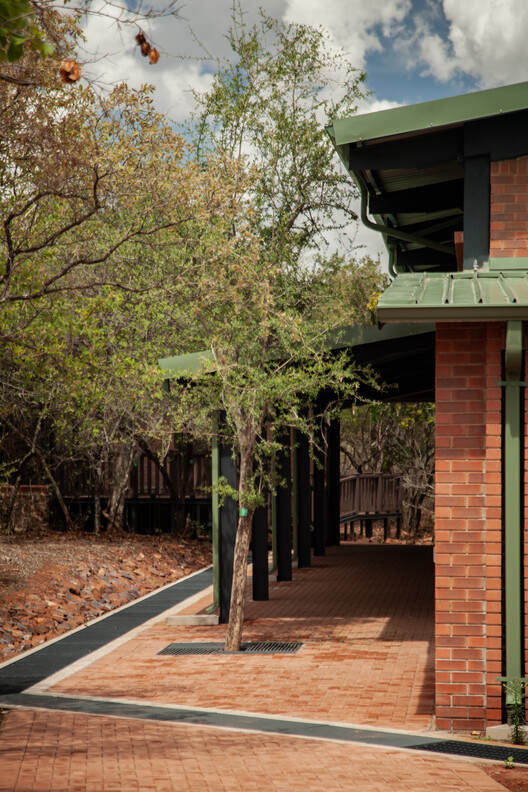
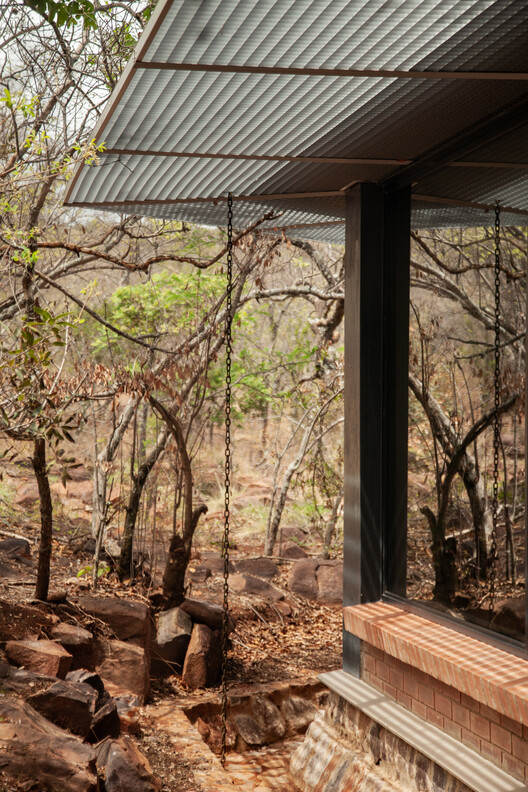
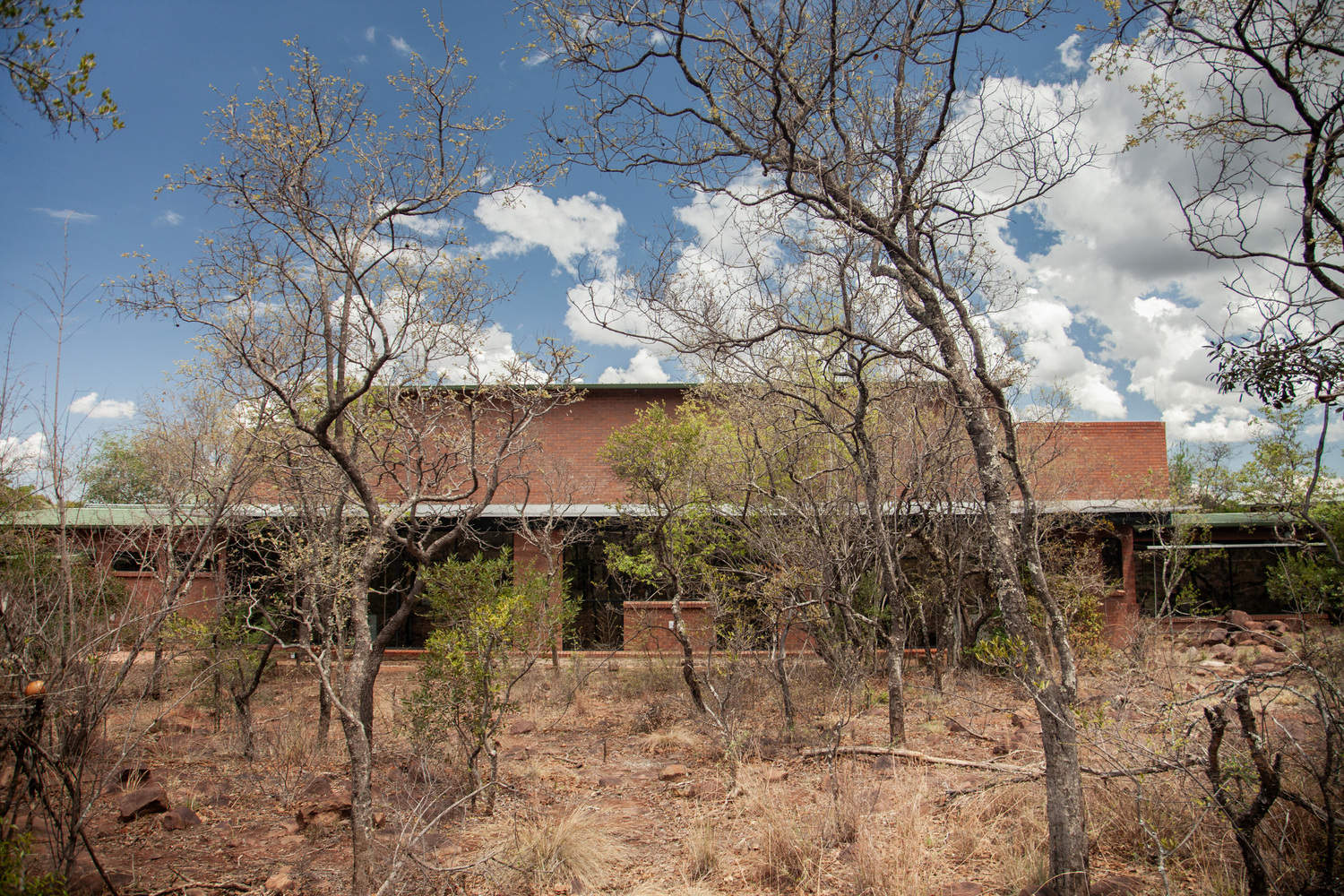
Sustainability is the core of this project. The hospital uses locally sourced materials, such as excavated stone cladding and locally produced bricks, which not only integrate the hospital with the natural environment but also support local enterprises. The design of the roof, operating room sunshade, and drainage ditch has taken into account existing trees, minimizing ecological disturbance to the greatest extent possible. The hospital also actively participates in conservation and educational activities, protecting the surrounding 27 hectares of wilderness.
可持续性是该项目的核心。医院采用当地采购的材料,如现场挖掘的石材覆层和当地生产的砖块,既使医院与自然环境融为一体,又支持了当地企业。屋顶、手术室遮阳屏和排水沟的设计均考虑到了现有树木,最大程度地减少了对生态的干扰。医院还积极参与保护和教育活动,保护着周边 27 公顷的荒野。
© Derius Erasmus
© Derius Erasmus
While balancing efficiency and comfort, the hospital has also incorporated advanced hygiene measures. Automatic doors equipped with hand sensors reduce the risk of pollution, while antibacterial flooring, paint, and ceiling finishes ensure environmental hygiene. By carefully selecting materials and seamlessly designing solutions, the accumulation of dust is minimized.
在兼顾效率与舒适度的同时,医院还融入了先进的卫生措施。配备手感应器的自动门降低了污染风险,而抗菌地板、油漆和天花板饰面则确保了环境的卫生。通过精心挑选材料和无缝设计解决方案,最小化了灰尘的积聚。
© Derius Erasmus
Blind people hope that the hospital will redefine the medical space by integrating nature, art, and patient-centered architectural design concepts. It provides a humane and inspiring alternative to traditional medical environments, where treatment is not just about curing diseases, but about dignity, community, and overall well-being. This project sets a new standard for medical design and proves that architecture can change people's lives.
盲人希望医院通过融入自然、艺术和以患者为中心的建筑设计理念,重新定义了医疗空间。它为传统医疗环境提供了一种人性化且鼓舞人心的替代方案,在这里,治疗不仅仅是治愈疾病,更是关于尊严、社区和整体福祉。该项目为医疗设计树立了新标准,证明了建筑能够改变人们的生活。
© Derius Erasmus