Santa Barbara Sanatorium/Pedevilla Architects
圣巴巴拉疗养院 / Pedevilla Architects
设计理念的传承与创新:Santa Barbara疗养院项目最显著的亮点在于其对历史文脉的尊重与创新性的结合。项目巧妙地借鉴了邻近的条顿骑士团修道院的建筑风格,将历史元素融入现代设计,形成了独特的视觉语言。通过对原有建筑形式的简化,以及运用穿孔立面等手法,设计师赋予了建筑新的生命力,同时保留了其重要的历史根基。此外,项目在细节上对环境的呼应也值得称赞,例如对当地材料的运用,无论是大颗粒的抹灰层还是当地木材的选择,都与周围的景观融为一体,体现了对地方文化的尊重和对可持续发展的思考。
空间设计的舒适与实用:项目在空间设计上注重居住者的舒适度和实用性,这是其精髓所在。通过对房间的重新组织和扩建,以及首次打造室外活动区域,设计师致力于提升居民的居住体验。大尺寸、规律重复的窗户设计,配合漏斗形的窗框,不仅增强了建筑的视觉效果,也为室内提供了充足的采光。此外,项目还特别注重改善照明和隔音效果,营造出宜人的居住氛围。这些细节的设计都体现了设计师对居民需求的深刻理解,并以促进居民的独立性和安全感为目标,打造一个舒适、安全、宜居的养老环境。
材料与色彩的和谐统一:项目的另一个精髓在于对材料和色彩的巧妙运用。设计师巧妙地沿用了原有建筑中房间门的橙色,并将其作为新建筑的色彩主题,在整个项目中反复出现,形成了视觉上的统一性。这种设计手法不仅增强了建筑的辨识度,也延续了建筑的历史记忆。同时,项目对当地材料的选择也体现了设计师对地方文化的尊重。大颗粒的抹灰层、当地木材的运用,都与周围的景观和建筑环境相呼应。这种对材料的精心选择和色彩的和谐统一,使建筑在视觉上更加和谐,也传递出一种温馨、舒适的居住氛围,进一步提升了项目的品质。
© Gustav Willeit
© Gustav Willeit
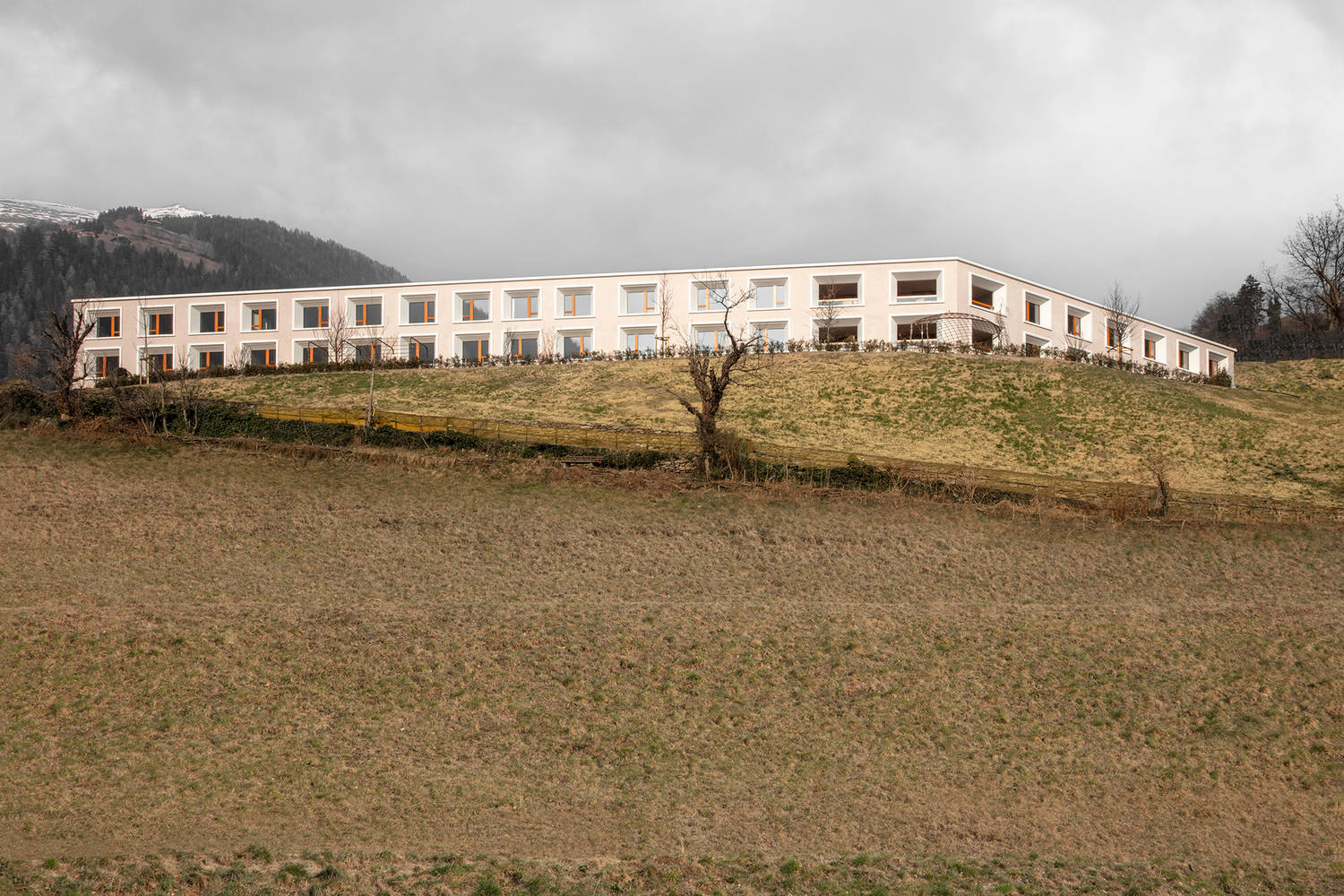
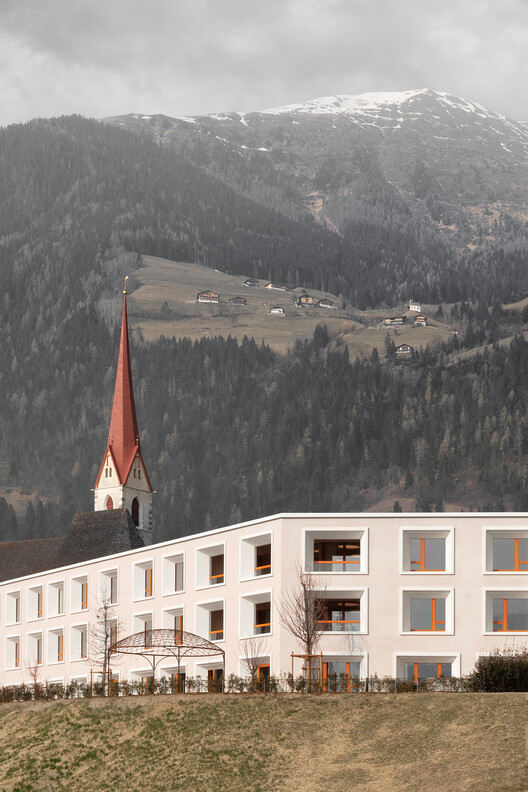
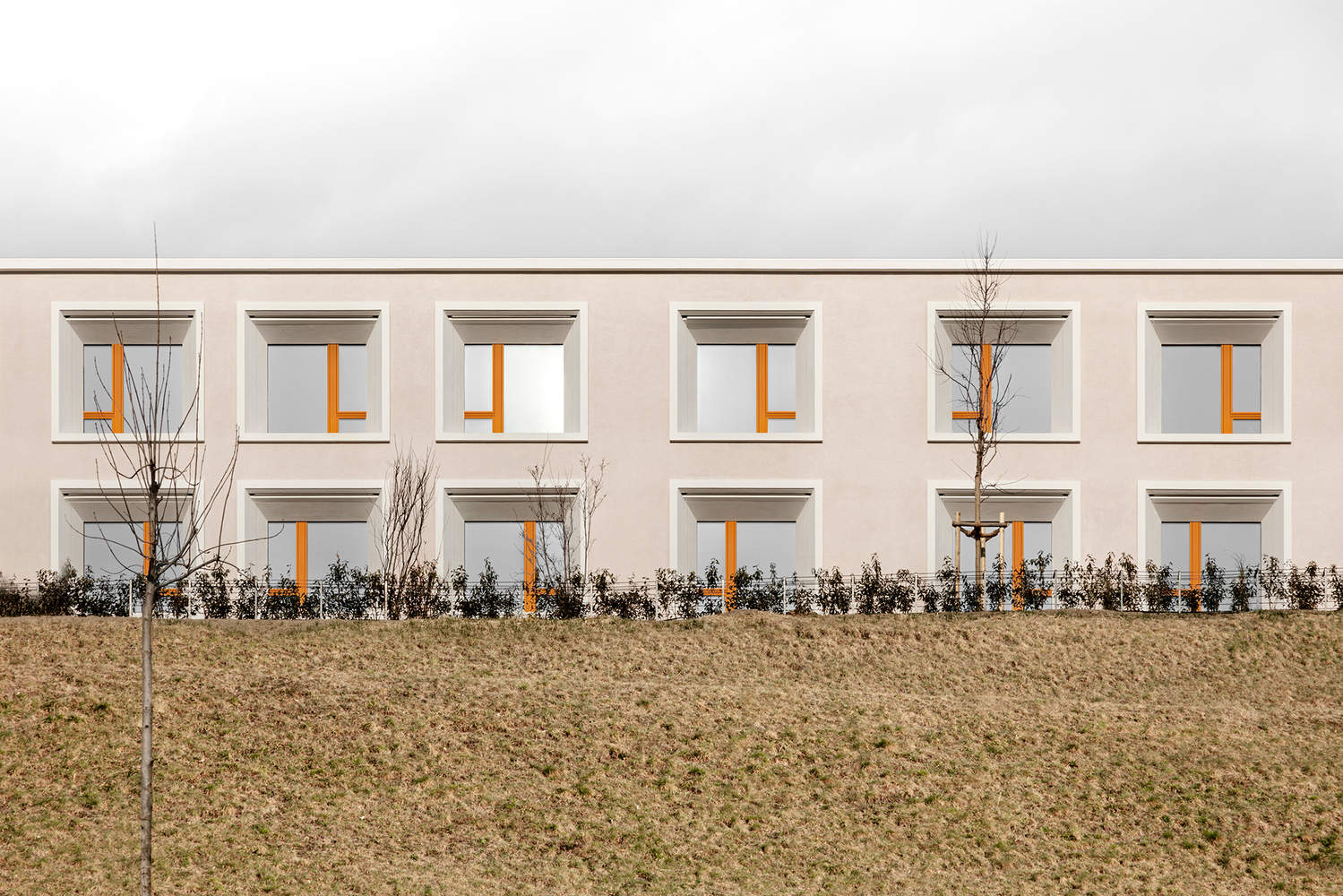
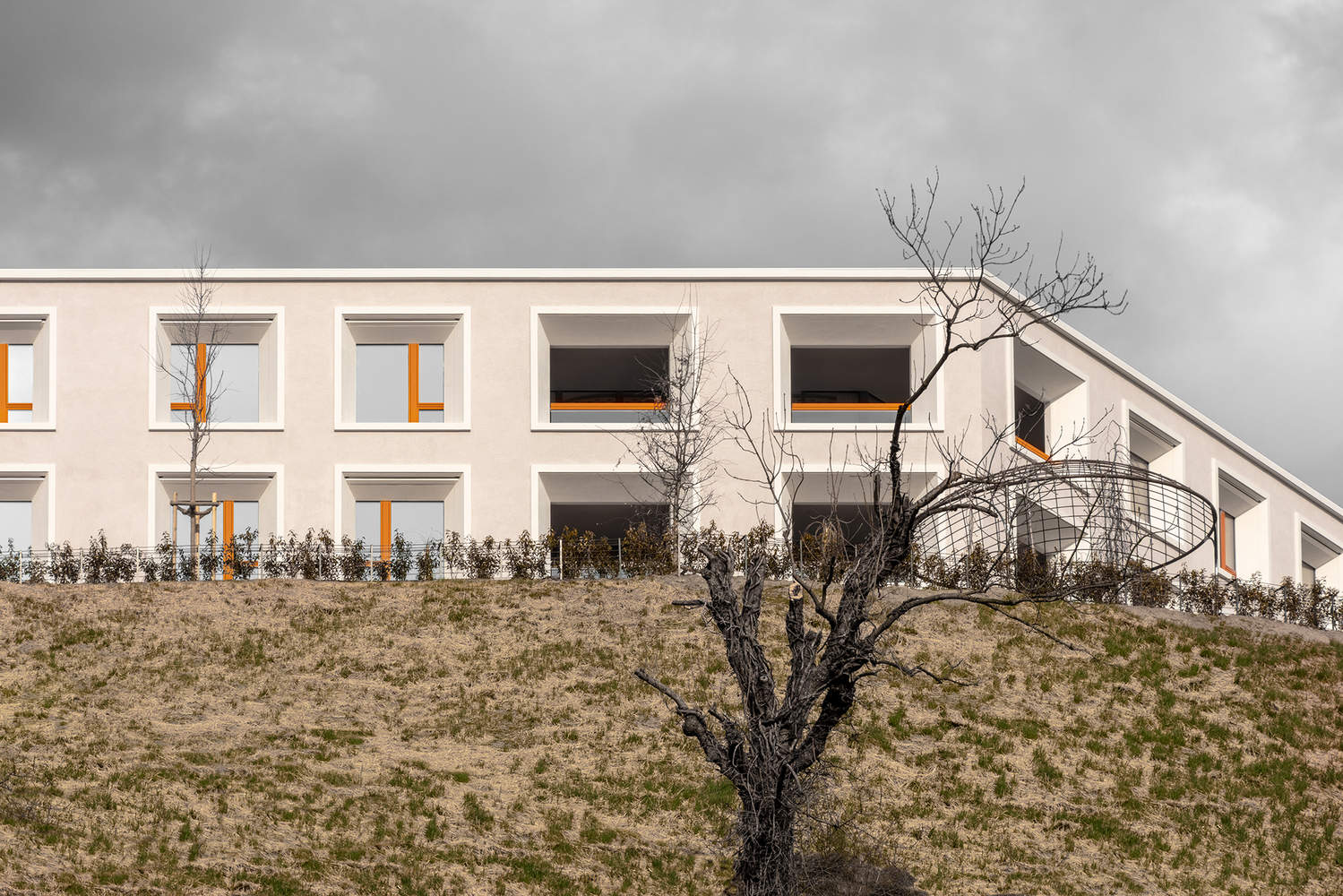
The sanatorium is located in the Upper Pasail Valley, at an altitude of 700 meters, adjacent to the church and the Teutonic Knights Abbey, in a prominent position at the entrance of the village. The existing buildings in the 1980s underwent formal simplification during the reconstruction and expansion process, while their appearance was finely processed through perforated facades.
该疗养院位于上帕赛伊尔谷,海拔 700 米,紧邻教堂,毗邻条顿骑士团修道院,在村庄入口处的显眼位置。20 世纪 80 年代的现有建筑在重建和扩建过程中进行了形式上的简化,而其外观则通过穿孔立面进行了精细处理。
© Gustav Willeit
平面图
© Gustav Willeit
Therefore, the exterior design of the neighboring historical building, the Teutonic Knights Abbey, was also borrowed, which is considered the cornerstone of the rise of the village community. The Teutonic Knights once built a pilgrimage shelter here, and the village of Saint Leonhard has been developed around it since the 13th century.
因此,也借鉴了邻近的历史建筑——条顿骑士团修道院的外立面设计,该建筑被认为是村庄社区兴起的基石。条顿骑士团曾在此建造了朝圣者收容所,圣莱昂哈德村庄从 13 世纪起便围绕其发展起来。
© Gustav Willeit
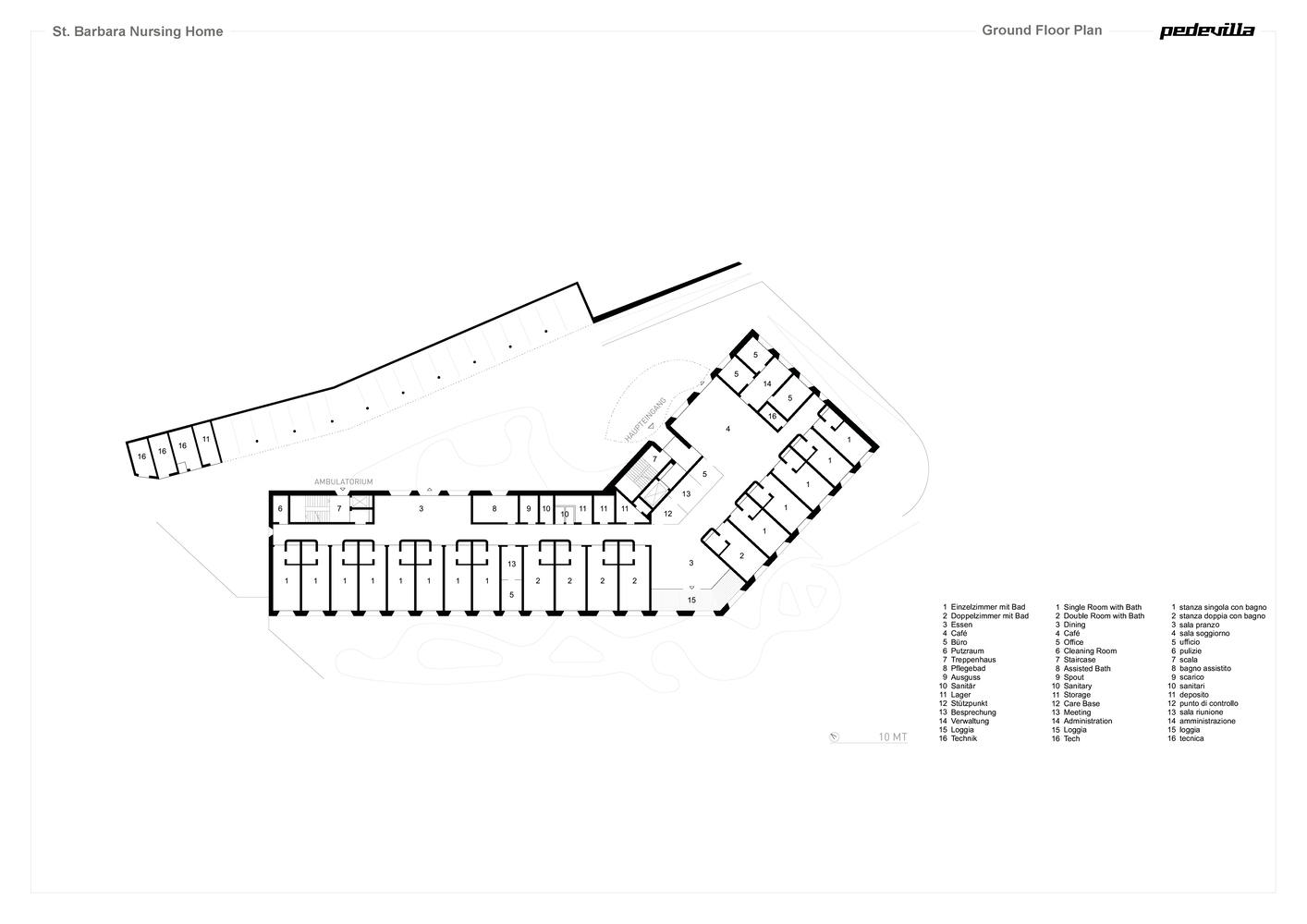
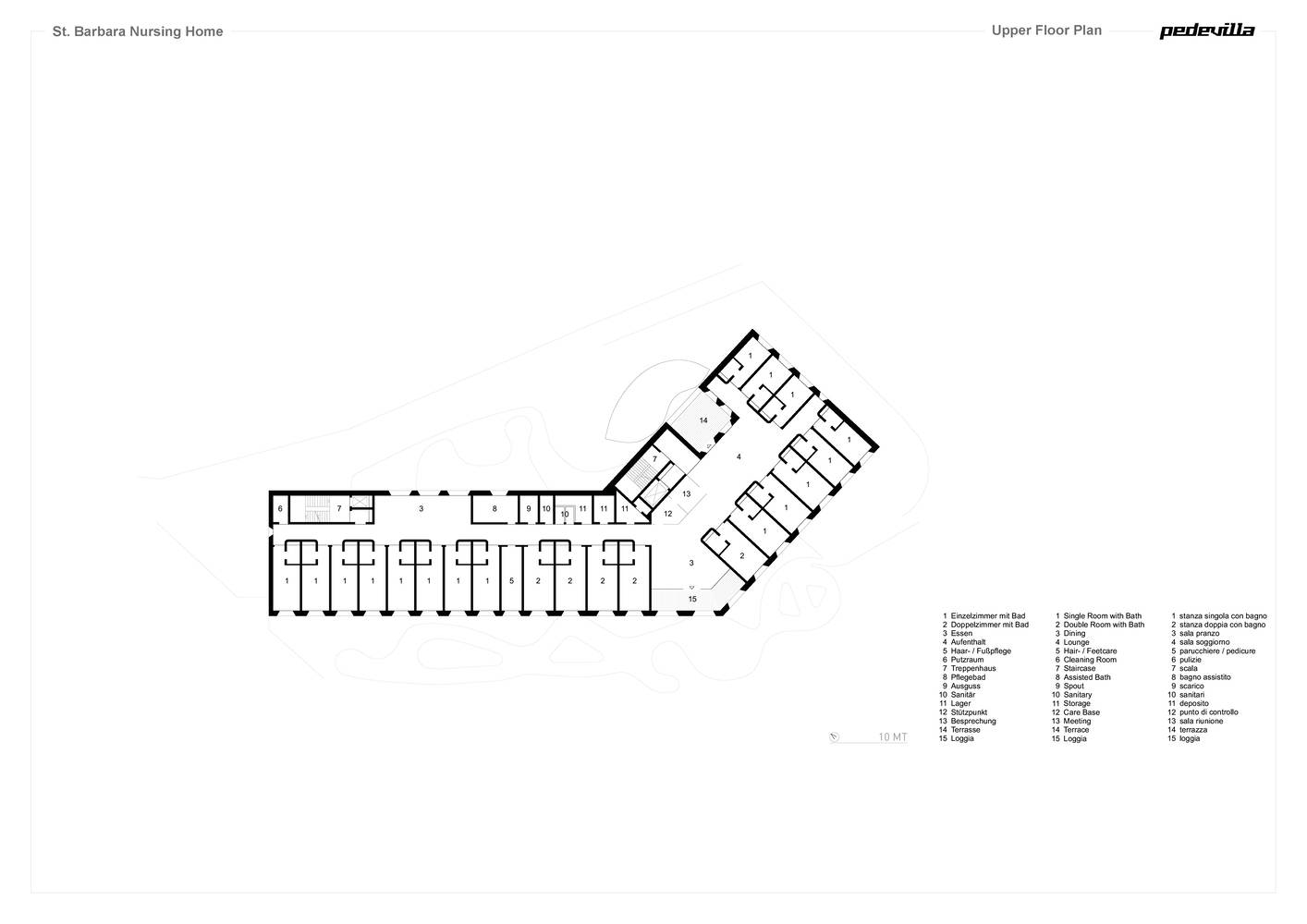
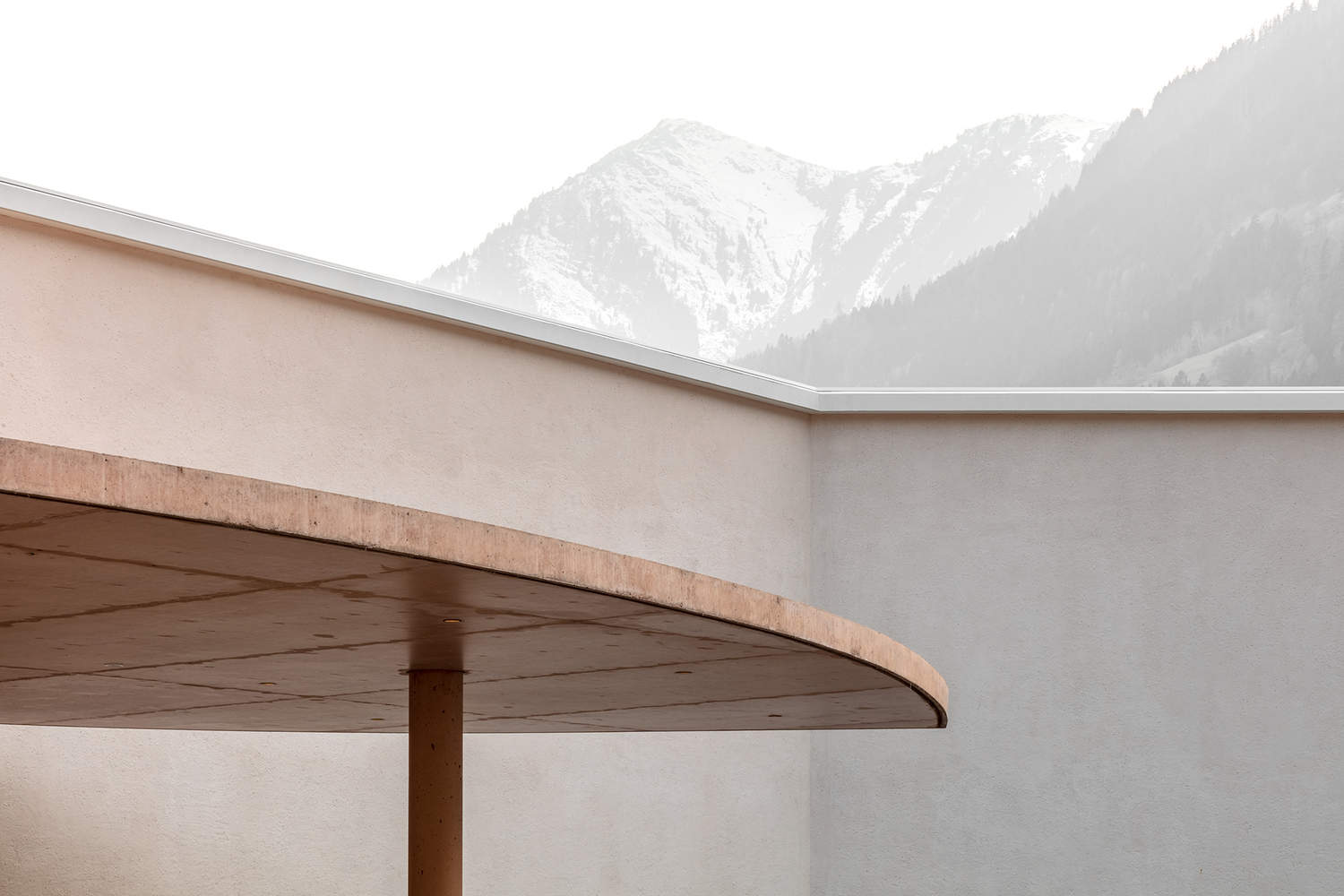
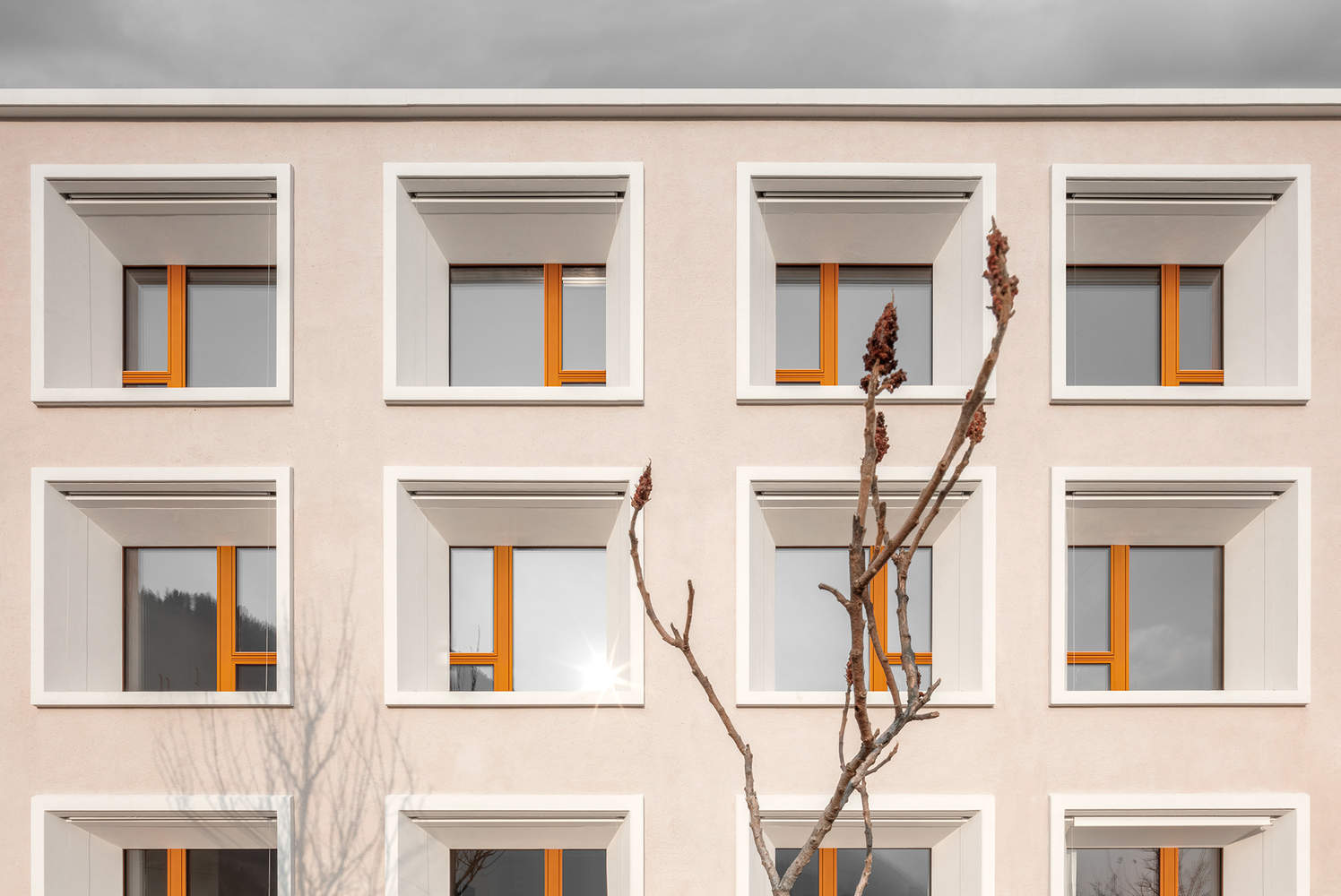
The large-sized, regularly repeating windows, accompanied by funnel-shaped window frames, emphasize the important historical foundation of the building in its location. Although the static structure of the original regional sanatorium has been largely preserved, the reorganization of rooms and the renovation of facades meet higher requirements for living comfort, efficiency, and flexibility in the future. In addition to creating outdoor areas for the first time, the room units have also been expanded. All structural and organizational measures in indoor and outdoor design are aimed at promoting residents' independence and conveying a sense of security.
大尺寸、规律重复的窗户,配以漏斗形的窗框,强调了该建筑在其位置上的重要历史根基。虽然原有地区疗养院的静力结构得以基本保留,但房间的重新组织和立面的改造满足了未来对居住舒适性、效率和灵活性的更高要求。除了首次打造室外区域外,房间单元也被扩大。室内和室外设计中的所有结构和组织措施都旨在促进居民的独立性,并传递安全感。
© Gustav Willeit
平面图
© Gustav Willeit
© Gustav Willeit
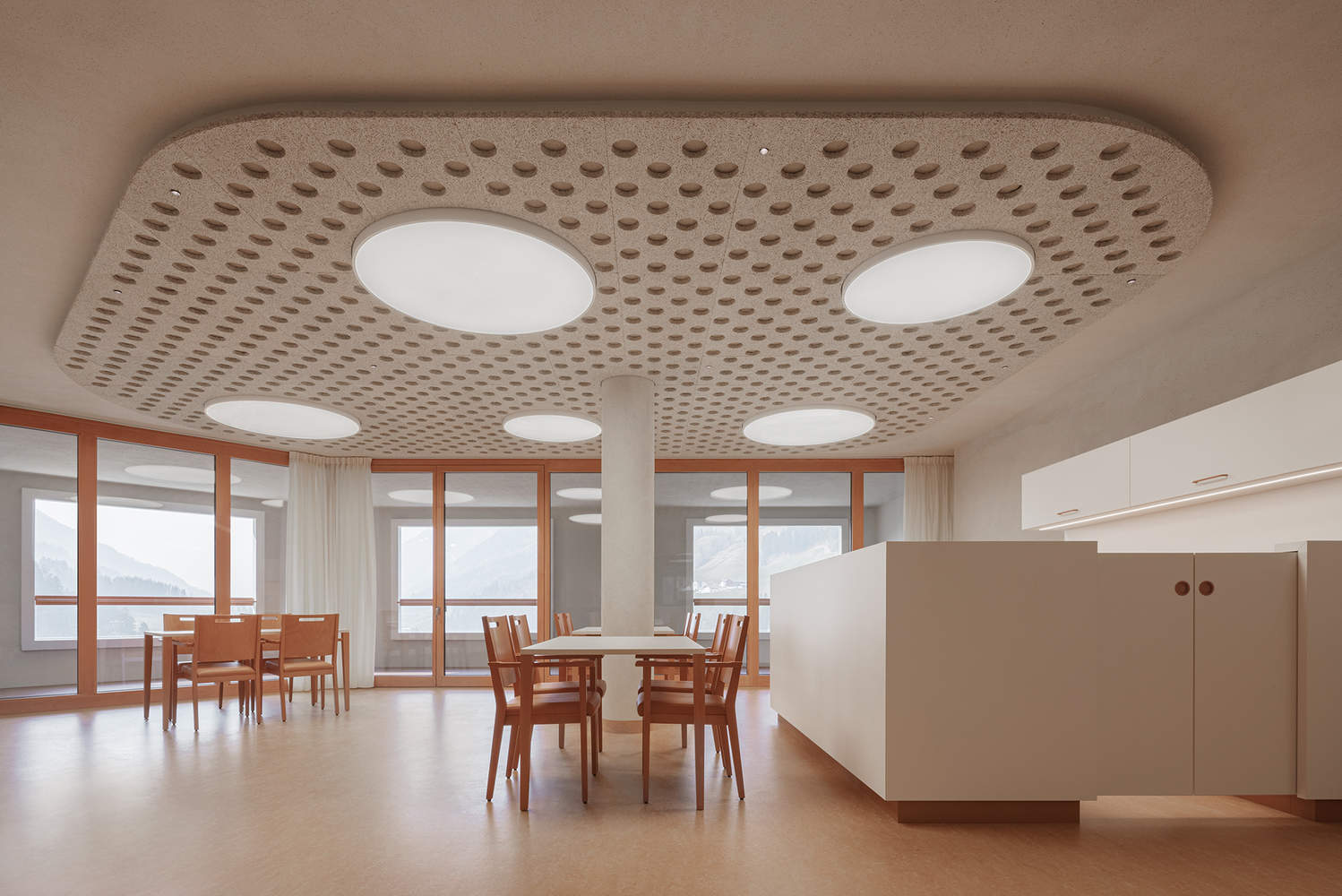
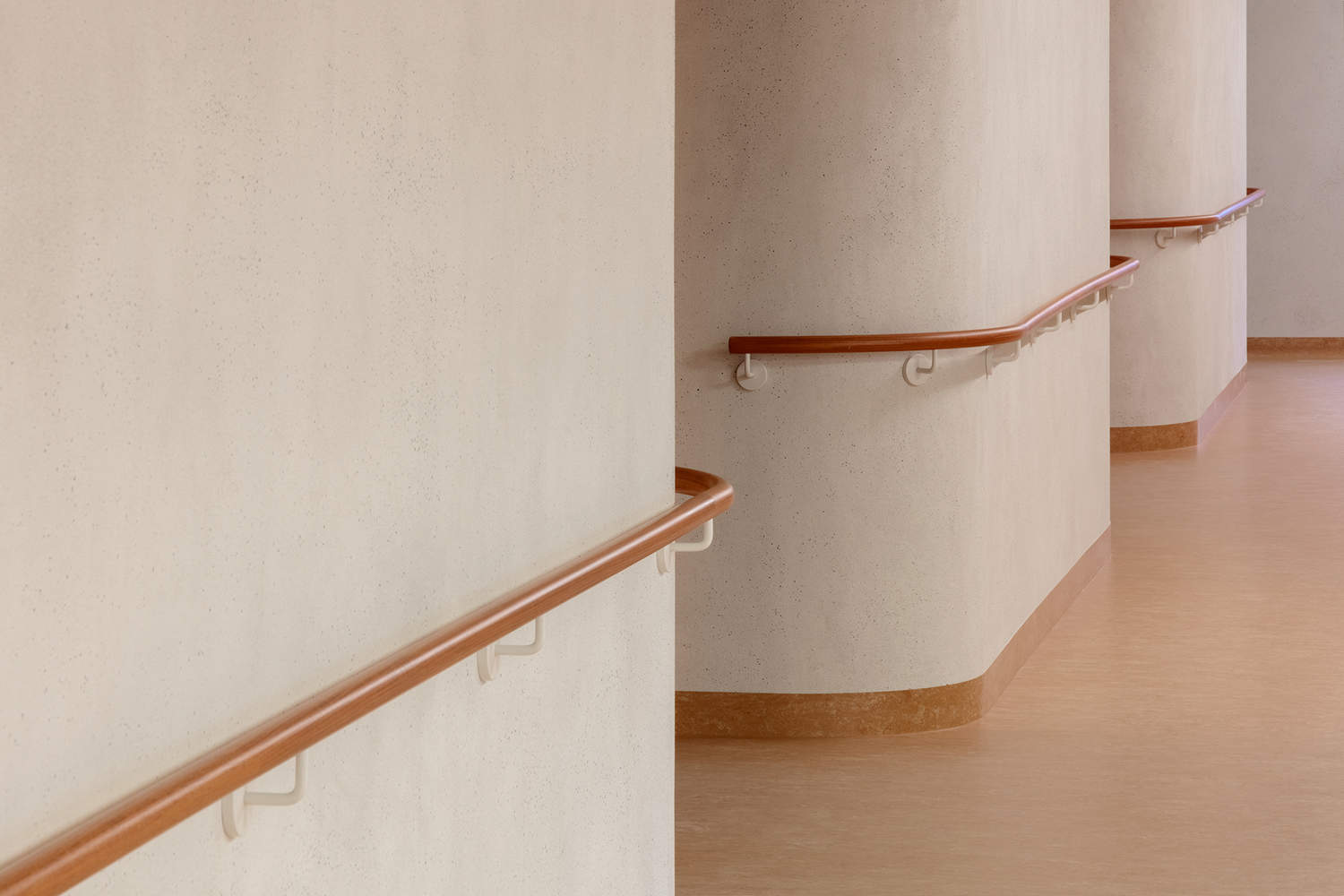
Using familiar local materials, such as large particles, washed plaster layers containing mineral aggregates from surrounding areas, and local woods (such as spruce and larch), which complement the surrounding landscape in color and structure.
采用熟悉的地方材料,如大颗粒、经水洗过的含周边地区矿物骨料的抹灰层,以及当地木材(如云杉和落叶松),在色彩和结构上都与周边景观相呼应。
© Gustav Willeit
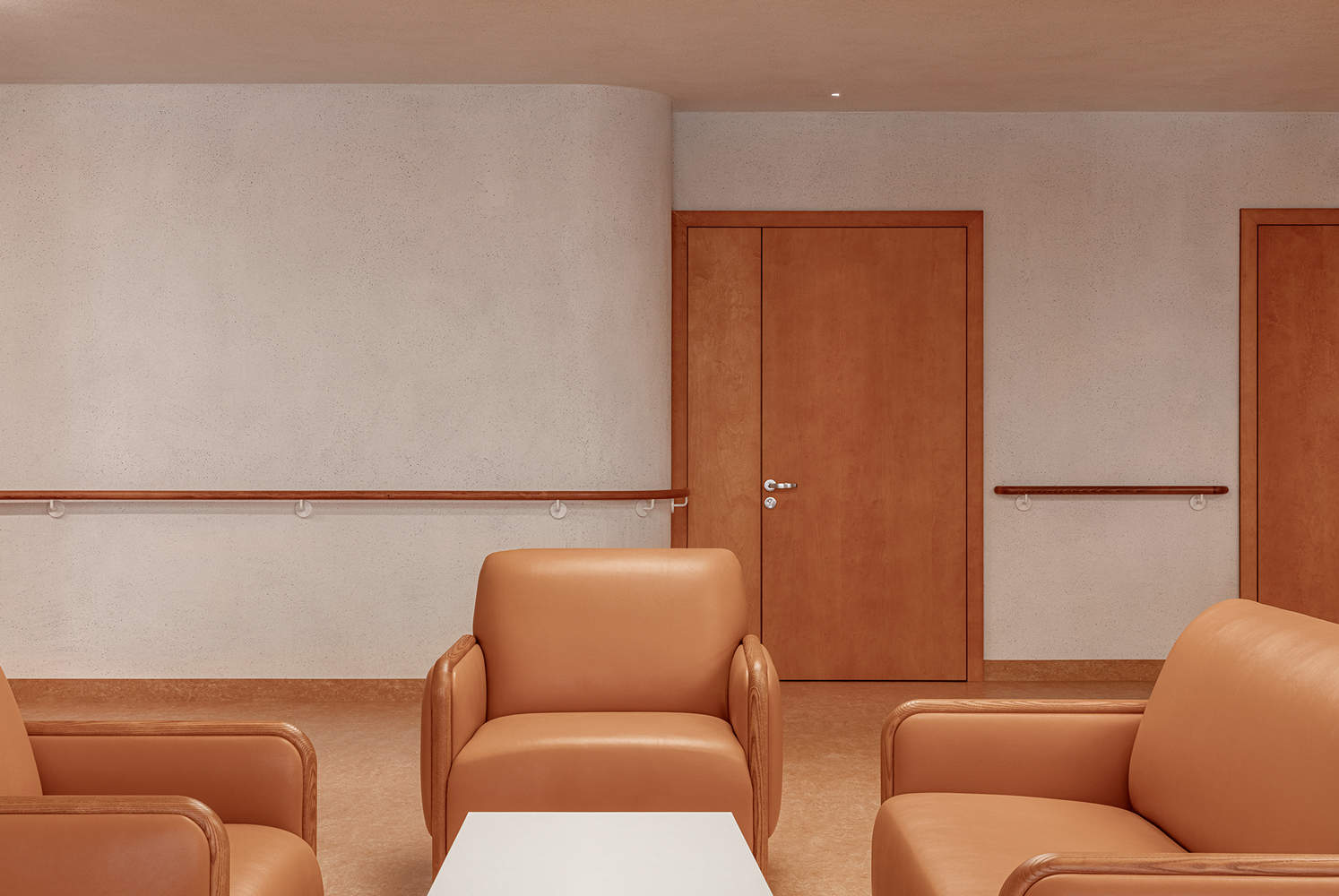
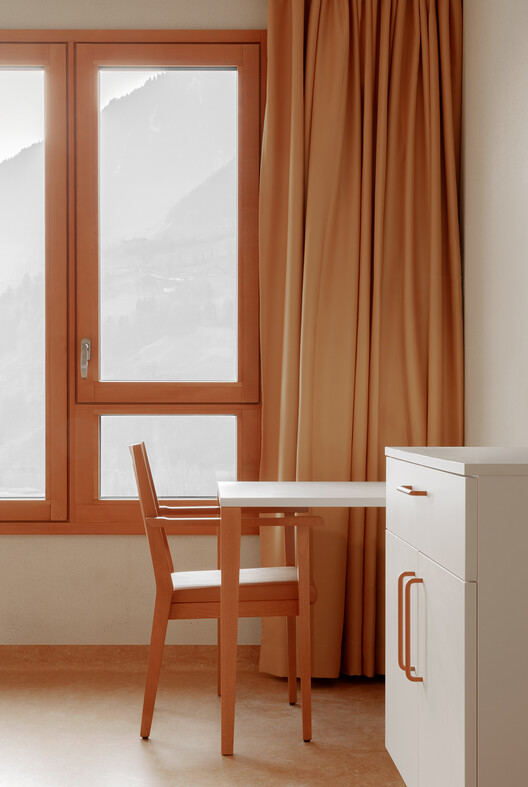
As a well-known element in existing buildings, the orange color of room doors has been adopted and formed the color theme of the new building. Its various color tones repeatedly appear throughout the entire project. Improving lighting and sound insulation is also crucial. Key lighting and glare free design create a pleasant living atmosphere. The selected grounding materials and surfaces with sound insulation ensure comfort and well-being.
作为现有建筑中的一个知名元素,房间门的橙色被沿用,并形成了新建筑的颜色主题。其各种色调在整个项目中反复出现。改善照明和隔音效果也至关重要。重点照明和无眩光设计营造出宜人的居住氛围。选用的接地材料和具有隔音效果的表面确保了舒适感和福祉。
© Gustav Willeit