Tampere Mental Health Clinic/CF M ø ller
坦佩雷精神卫生诊所 / CF Møller
© Wellu Hamalainen
© Wellu Hamalainen
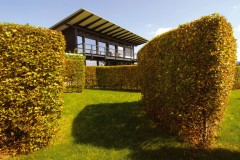
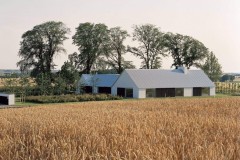
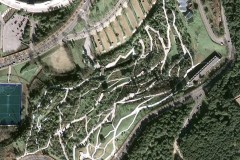
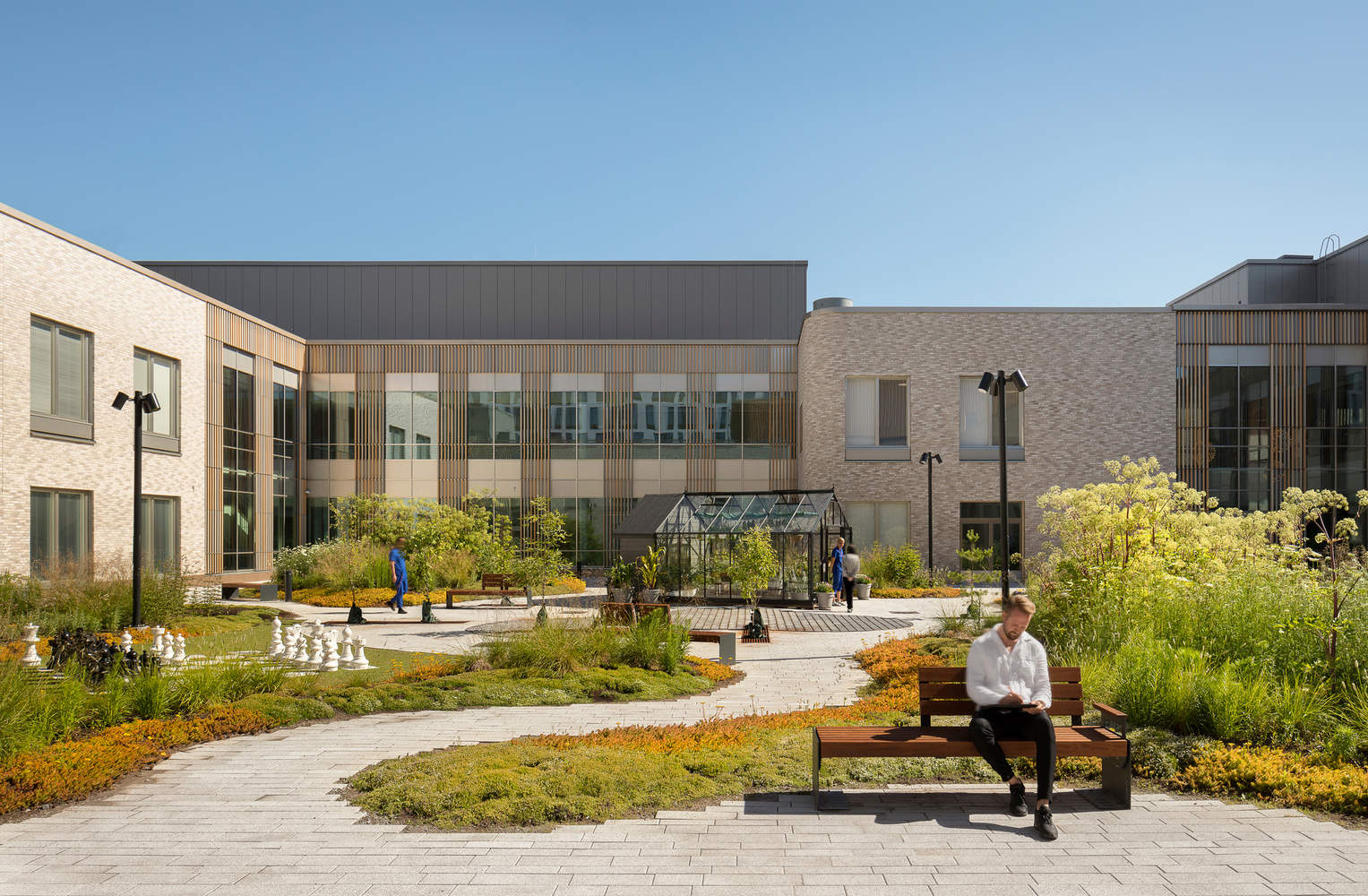
The newly built psychiatric clinic at Tampere University Hospital aims to create an environment that supports the rehabilitation of patients and staff. The facility is located on the outer edge of the hospital premises, seamlessly integrated with the natural environment, creating a peaceful, private, and therapeutic atmosphere. This project meets the special needs of mental care by integrating flexible structures, natural elements, and cultural elements, thereby promoting rehabilitation and enhancing employee well-being. The design follows a modular concept, featuring three semi-circular U-shaped ward buildings that provide 180 beds for various mental health units, including emergency units, psychiatric units, crisis intervention units, outpatient units, psychosomatic medical units, neuropsychiatric units, emotional disorders units, neuroregulation units, substance abuse units, and psychiatric+forensic psychiatric units. Each ward area is carefully planned to ensure privacy and safety, providing independent wards that maximize the use of natural light and scenery, which is crucial for the recovery of patients. The ward area is centered around the management and activity building located in the center, forming a closed courtyard as a safe and peaceful outdoor space for people to engage in social interaction and leisure entertainment. This layout not only promotes a sense of community, but also respects each patient's need for solitude and personal space.
坦佩雷大学附属医院新建的精神病诊所旨在打造一个支持患者与员工康复的环境。该设施位于医院场地的外侧边缘,与自然环境融为一体,营造出宁静、私密且有益于治疗的氛围。该项目通过融合灵活的结构、自然元素和文化元素,来满足精神护理的特殊需求,从而促进康复和提升员工福祉。设计遵循模块化理念,特色在于三座半圆形排列的 U 型病房楼,为各类精神卫生保健单元提供 180 张床位,包括急诊单元、精神病单元、危机干预单元、门诊、身心医学单元、神经精神病单元、情绪障碍单元、神经调节单元、药物滥用单元以及精神病+法医精神病单元。每个病房区都经过精心规划,以确保隐私和安全,提供独立的病房,最大化利用自然光和观赏自然景色的条件,这对于病人的康复至关重要。病房区以位于中心的管理和活动楼为中心,形成一个封闭的庭院,作为安全宁静的户外空间,供人们进行社交互动和休闲娱乐。这种布局既促进了社区感,又尊重了每位患者对独处和个人空间的需求。
© Wellu Hamalainen
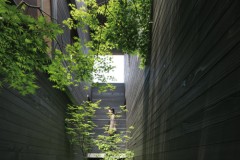
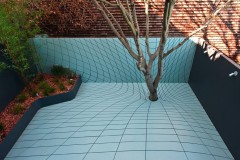
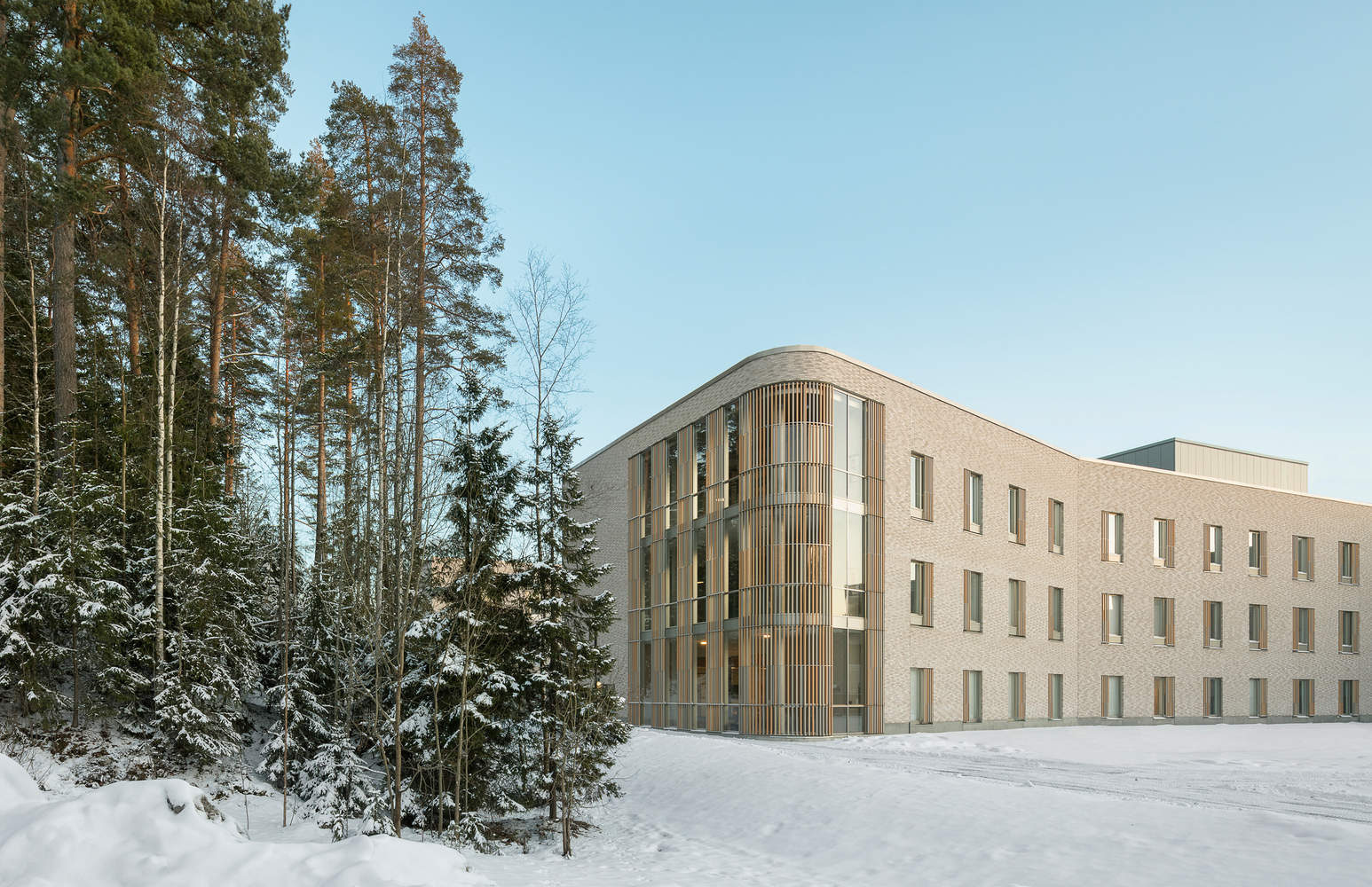
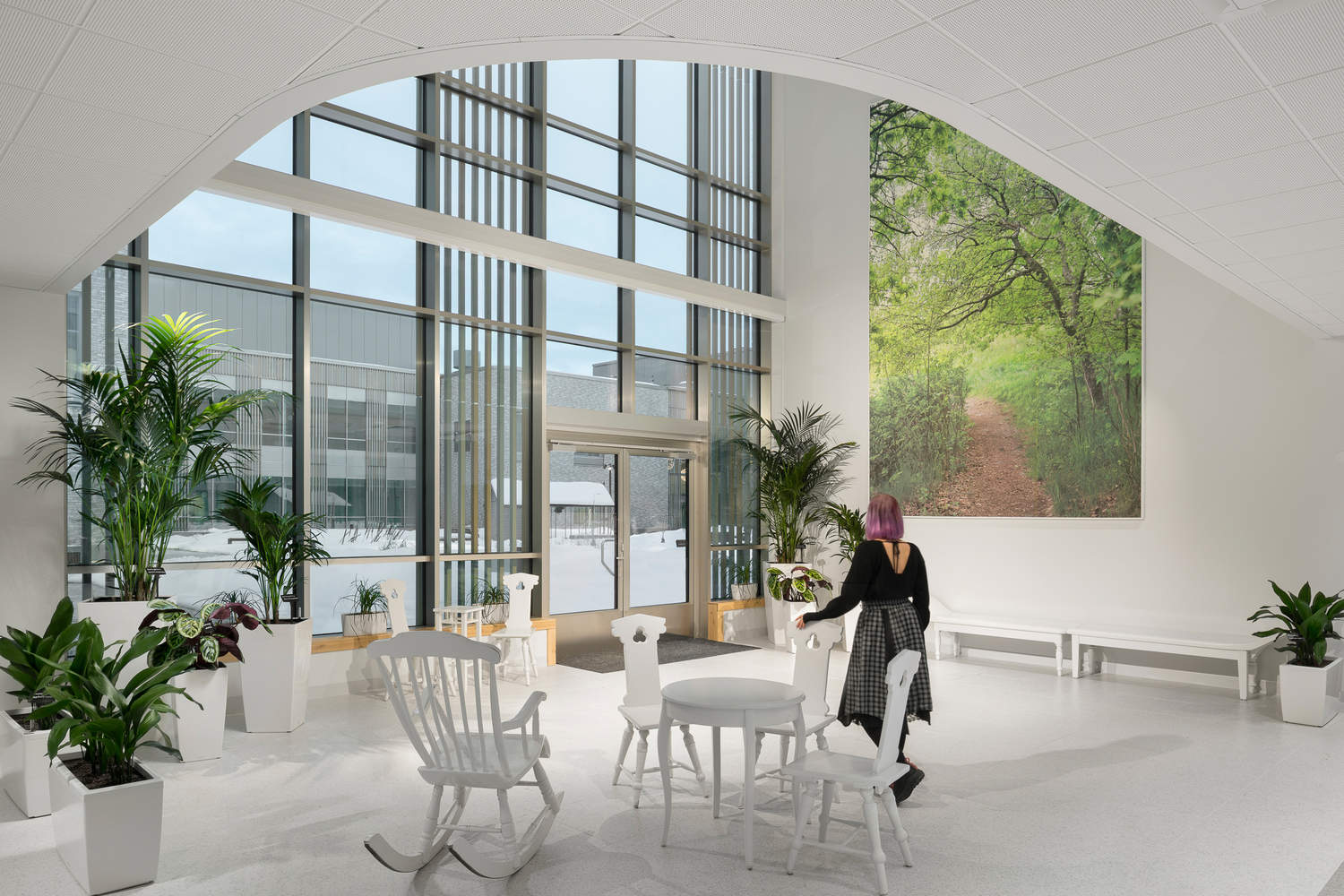
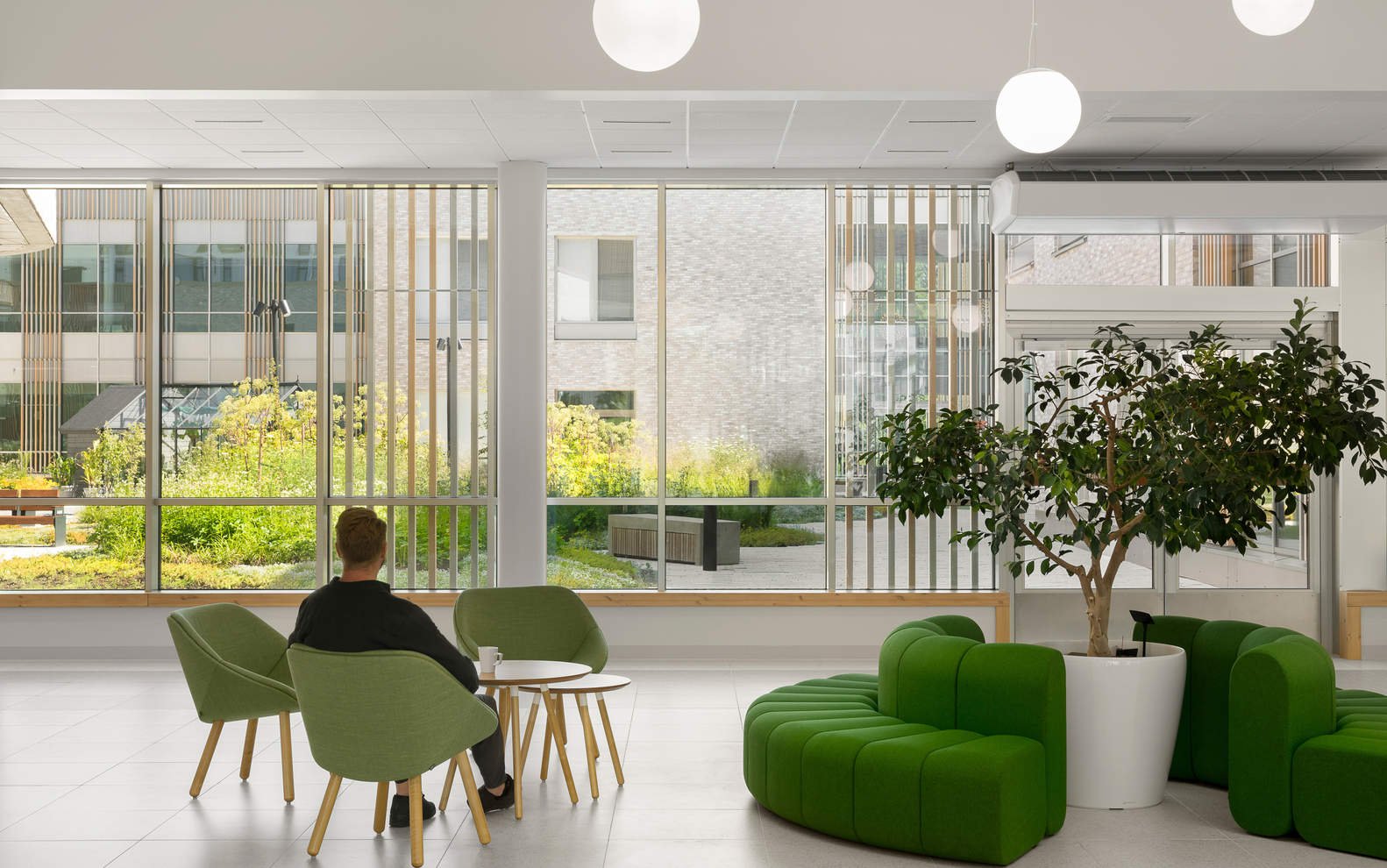
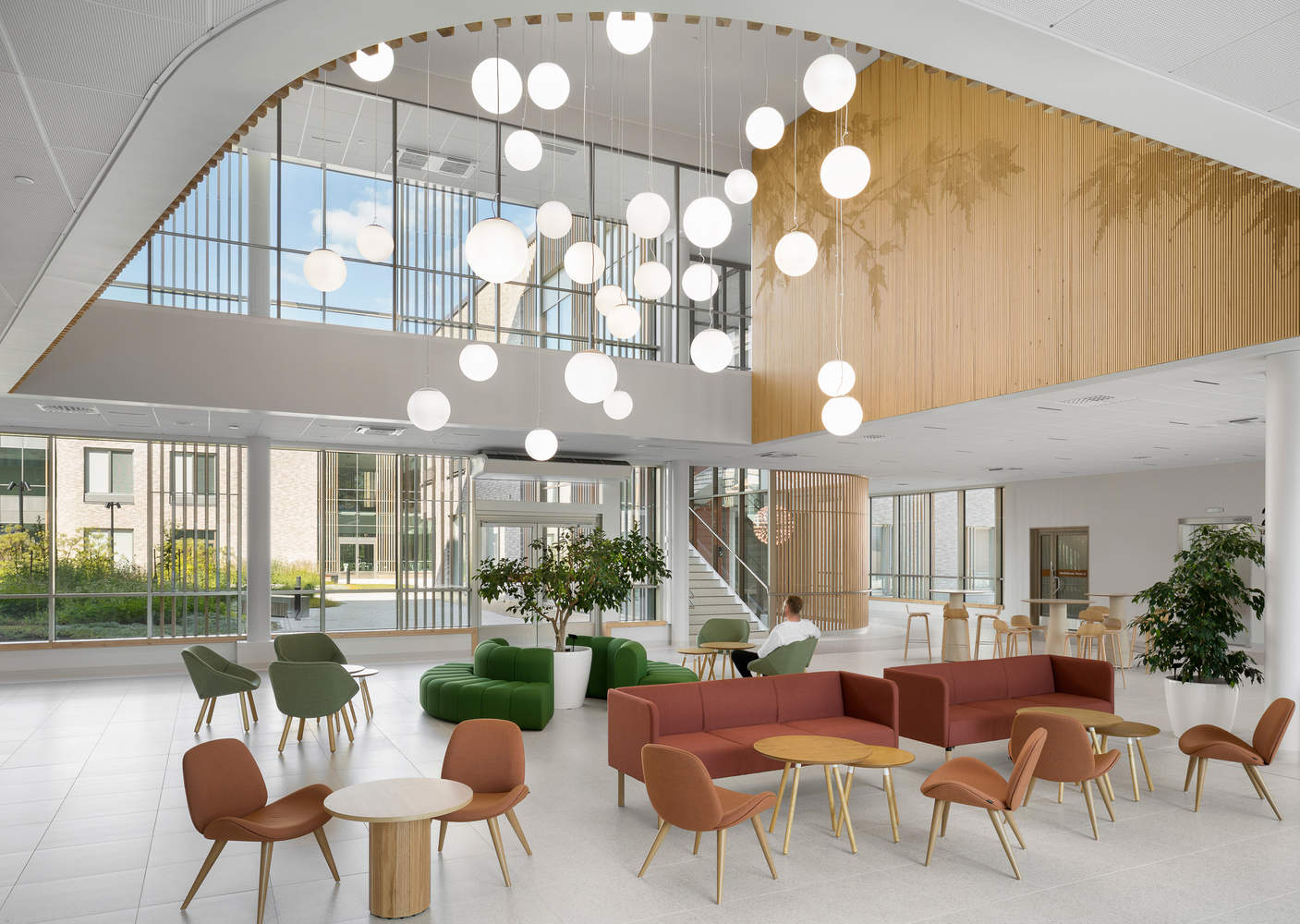
The design inspiration comes from the industrial heritage of Tampere and the natural environment of the historic Petkani Emi Clinic, using bricks and wood to create a modern, warm, and locally rooted cultural atmosphere. The height of the building is moderate, maintaining a humanized scale and encouraging connection with the environment. The design emphasizes natural light, reduces the need for artificial lighting, and enhances the indoor environment. The use of furniture from the old hospital adds cultural continuity and minimizes the environmental impact of the project. In addition, the spatial layout facilitates efficient operation, with each paired department having a shared core, enhancing flexibility and reducing resource requirements. This ensures that the project directly benefits users as well as the broader community and environment. Landscape design plays a crucial role in this design. The facility is located in a pine forest, integrating greenery into the building to enhance tranquility and therapeutic atmosphere. Each building has direct access to outdoor spaces, including balconies and concealed courtyards in each ward, supporting the concept that interaction with nature is an essential part of the rehabilitation process. The enclosed courtyard at the center of the architectural complex serves as a public activity center, promoting social activities and providing a safe and enclosed space for exercise and relaxation. According to evidence-based design principles, this focus on nature and outdoor spaces supports physical and mental health.
设计灵感源自坦佩雷的工业遗产和历史悠久的皮特卡尼埃米诊所的自然环境,采用砖和木材营造出现代、温馨且根植于当地的文化氛围。建筑的高度适中,保持人性化尺度,鼓励与环境建立联系。设计强调自然光,减少人工照明需求,提升室内环境。使用旧医院的家具增添了文化的连续性,并最大限度地减少了项目的环境影响。此外,空间布局便于运营高效,每个成对配置的部门都设有共享核心,增强了灵活性并减少了资源需求。这确保了项目直接惠及用户以及更广泛的社区和环境。景观设计在此设计中起着至关重要的作用。设施位于松林之中,将绿色融入建筑,加强了宁静和治疗氛围。每栋建筑都能直接通往户外空间,包括每个病房的阳台和隐蔽的庭院,支持了与自然互动是康复过程不可或缺部分的理念。建筑群中心的封闭庭院作为公共活动中心,促进了社交活动,并提供了安全封闭的锻炼和放松空间。根据循证设计原则,这种对自然和户外空间的关注支持了身心健康。
© Wellu Hamalainen
The Tampere Mental Health Clinic has set a benchmark in mental healthcare facilities by seamlessly integrating natural, cultural elements, and architectural design. It creates an environment that encourages patients to interact with their surroundings at their own pace, thereby promoting recovery and reintegration into daily life. For employees, design provides support and efficient workspaces, enhances collaboration and reduces stress, helping to provide better care and overall job satisfaction. This project embodies the principles of healing architecture and demonstrates how to transform healthcare environments into spaces that promote rehabilitation, resilience, and well-being through thoughtful design. Through its careful integration with nature, attention to local context, and emphasis on flexibility, Tampere Mental Health Clinic is a sustainable, patient-centered design model that prioritizes the needs of all users.
坦佩雷精神病诊所通过将自然、文化元素和建筑设计无缝融合,在精神卫生保健设施中树立了标杆。它创造了一个环境,鼓励患者以自己的节奏与周围环境互动,从而促进康复和重新融入日常生活。对于员工而言,设计提供了支持和高效的工作空间,增强了协作并减轻了压力,有助于提供更好的护理和整体工作满意度。该项目体现了治愈性建筑的原则,展示了如何通过深思熟虑的设计将医疗保健环境转变为促进康复、韧性和福祉的空间。通过其与自然的精心融合、对当地背景的关注以及对灵活性的重视,坦佩雷精神病诊所是一个可持续、以患者为中心的设计模型,优先考虑所有用户的需求。
© Wellu Hamalainen