Photographer's Studio/Roman Bauer Arquitectos
摄影师工作室 / Roman Bauer Arquitectos
灵活的空间转化:该摄影师工作室的核心设计在于其空间的多功能性。设计师巧妙地通过隐藏式滑动门,将宽敞的中央工作空间打造为可变动的连续空间,与入口庭院和后院无缝连接。这种设计赋予了项目极大的灵活性,使其不仅适用于摄影师的工作需求,也能轻松转换为展览空间。这种灵活的布局策略在有限的空间内实现了最大化的功能扩展,满足了不同使用场景的需求。同时,小厨房和临时艺术家住所的设置,也体现了对空间利用的深度考量,使得整个项目更具吸引力。
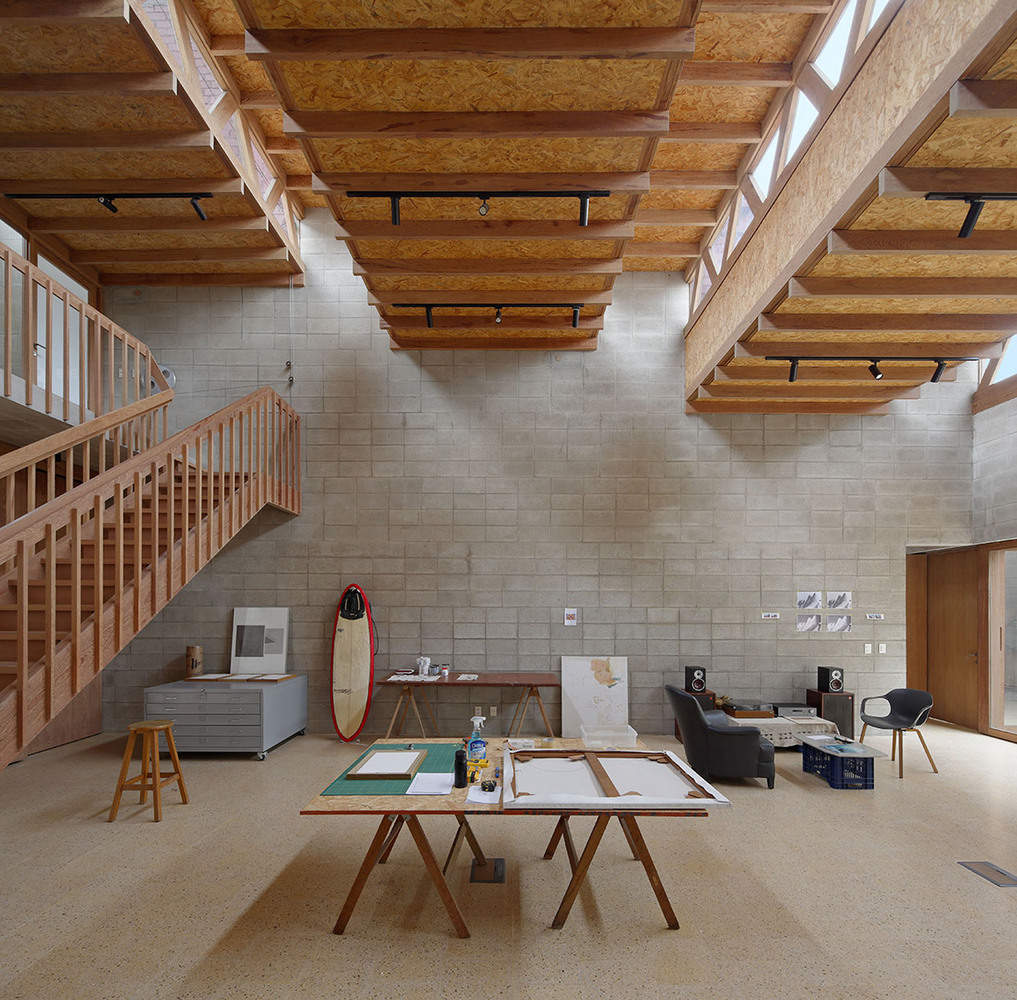
光线与通风的创新:项目对自然光线的运用堪称典范。设计师巧妙地结合了钢筋混凝土砌块墙体和大型桁架木屋顶,创造了四个矩形天窗。这些天窗不仅为室内提供了充足的顶光,还通过上部的窗户和滑轮系统实现了庭院的交叉通风。这种设计巧妙地呼应了巴兰科历史建筑中对自然采光和通风的传统解决方案。此外,屋顶高度的渐变设计,进一步增强了空间感,并营造了从二楼办公室到一楼后院的视觉引导。这种对光线、通风和空间形态的综合考虑,是该项目的一大亮点。
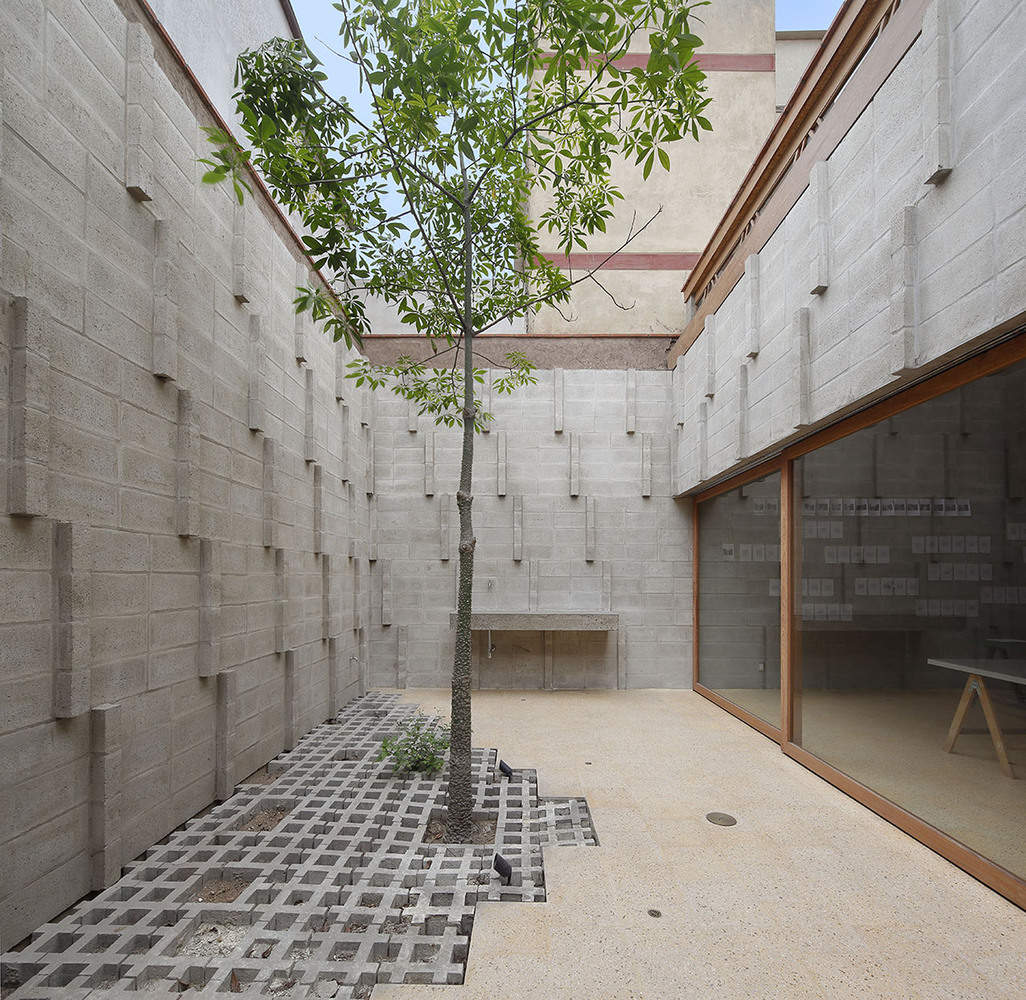
材料与细节的和谐统一:项目在材料选择和细节处理上展现出高度的统一性和精致感。胡亚鲁木被广泛应用于屋顶、隔断、门窗、家具和楼梯,为整个空间营造了温馨、自然的氛围。混凝土块墙体在室内外呈现不同的质感,既保证了室内的光滑美观,又为室外庭院提供了攀爬植物的支撑。黄色手工陶瓷砖的铺设、塞伊博树的种植以及周围的仙人掌和多肉植物,共同构筑了一个充满生机和个性的空间。这些精心挑选的材料和细节处理,共同提升了项目的整体质感,也赋予了其独特的场所精神。
© Juan Solano Ojasi
© Juan Solano Ojasi
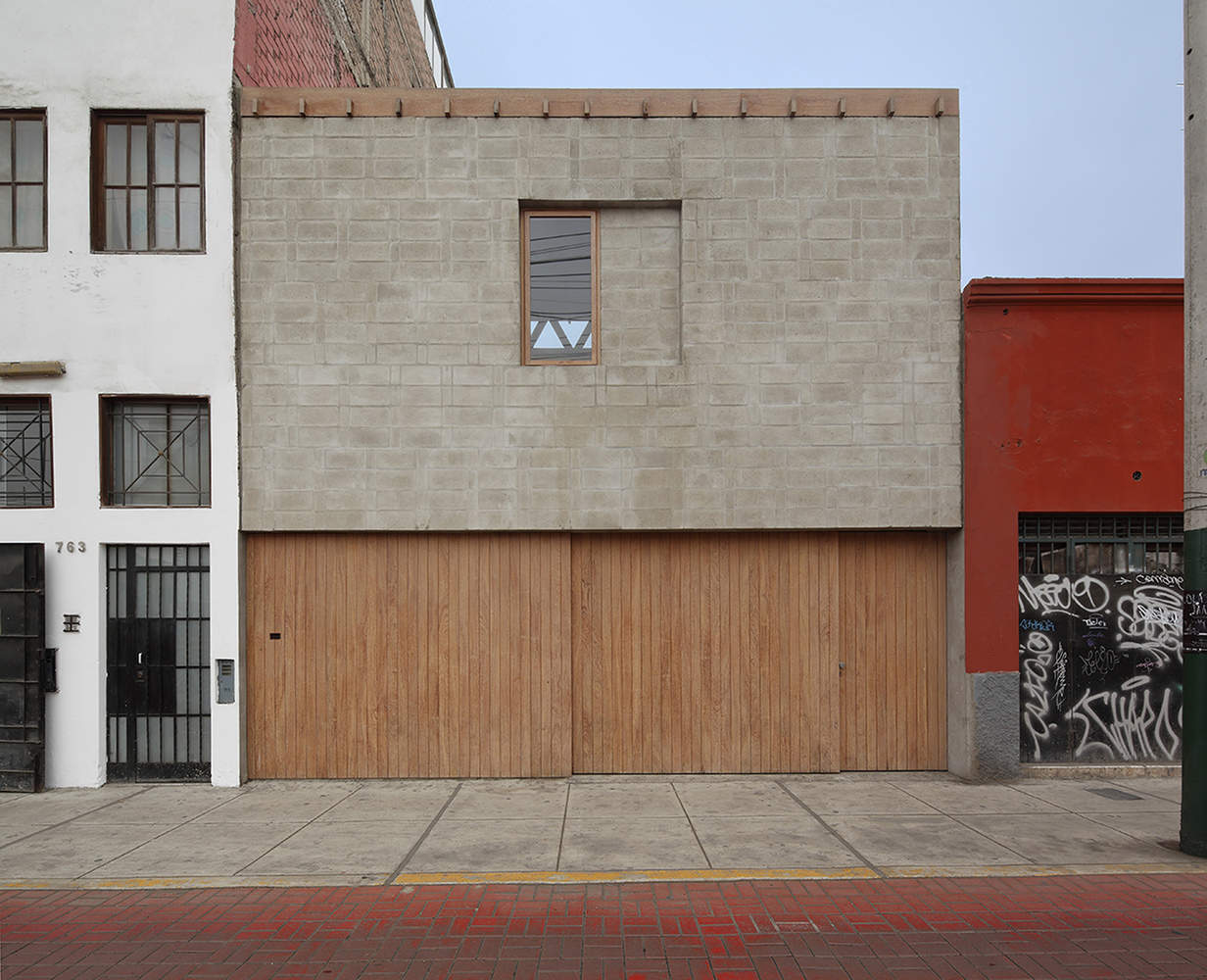
The project is located in the historical site area of Baranco, covering an area of 198 square meters. The main consideration is to serve as a photographer's studio, although its design also makes it easy to transform into an exhibition space when needed.
该项目位于巴兰科的历史遗址区域,占地 198 平方米,主要考虑作为摄影师的工作室,尽管其设计也便于在需要时轻松转变为展览空间。
© Juan Solano Ojasi
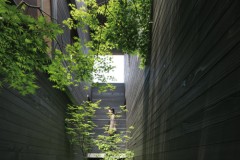
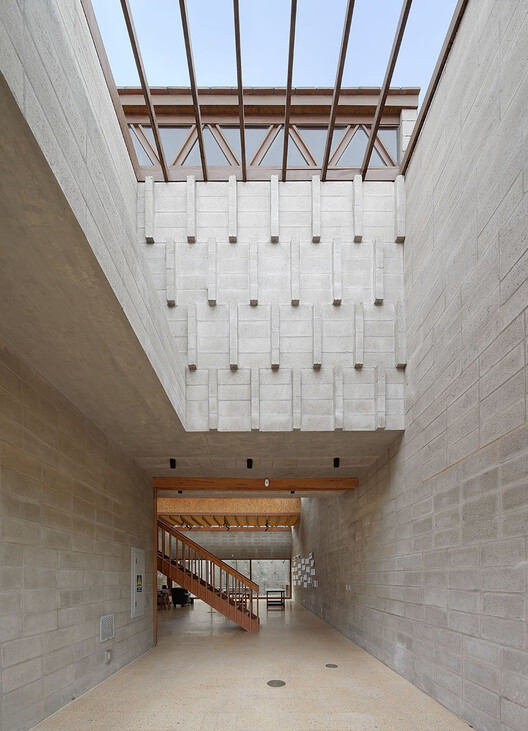
After entering from the entrance, enter the spacious central workspace through a courtyard with cantilevered flower beds. Through hidden sliding doors, this large space can be transformed into a continuous space, connected to both the entrance courtyard and the courtyard behind it. The project also includes a small kitchen and two small office rooms, or temporary residences for artists when needed. The only enclosed space is the bathroom and a darkroom for developing film photography.
从入口进入后,通过带有悬挑花坛的庭院,进入宽敞的中央工作空间。 通过隐藏式滑动门,这个大空间可变成一个连续的空间,既与入口庭院相连,也与后面的庭院相连。 该项目还包括一个小厨房和两个办公小房间,或在需要时作为艺术家临时住所。 唯一封闭的空间是卫生间和一个用于显影胶卷摄影的暗房。
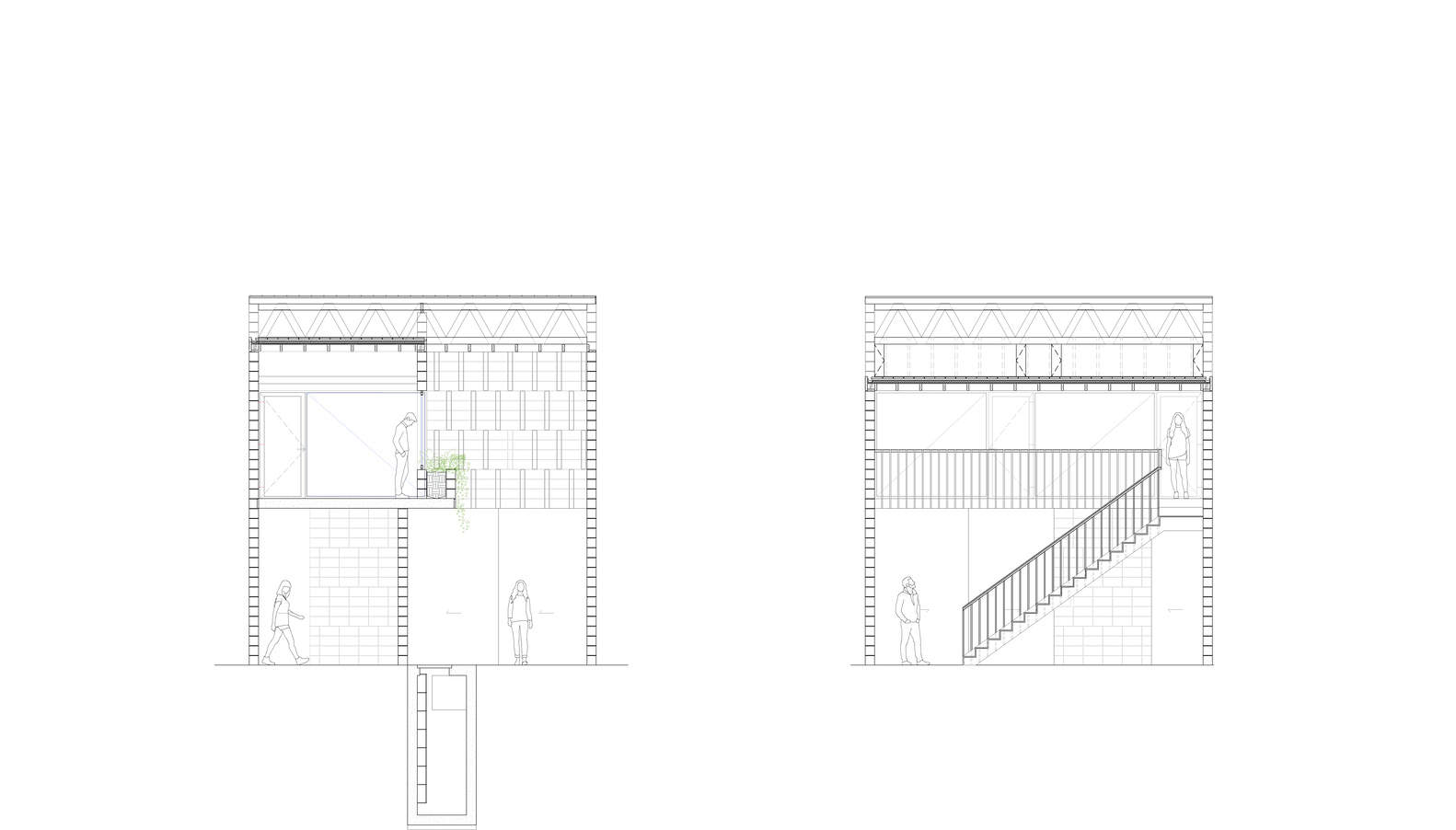
剖面图
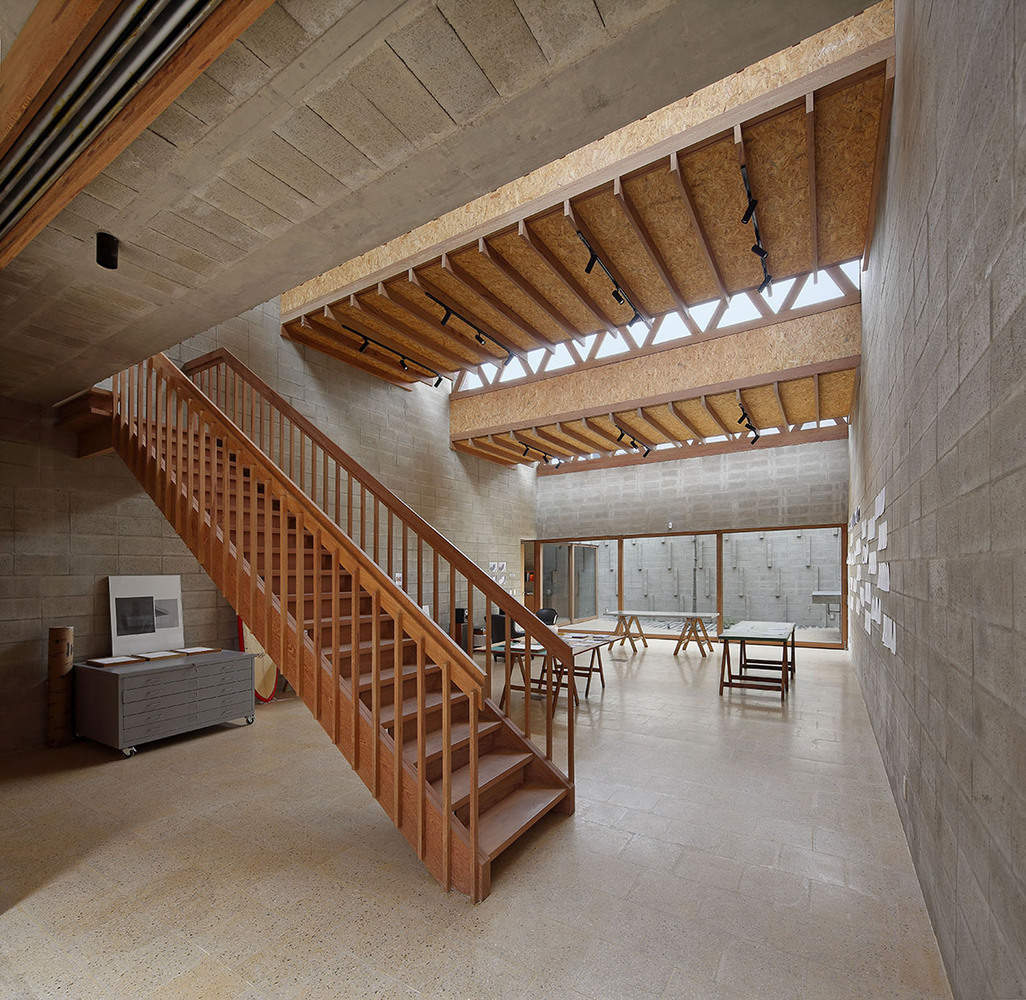
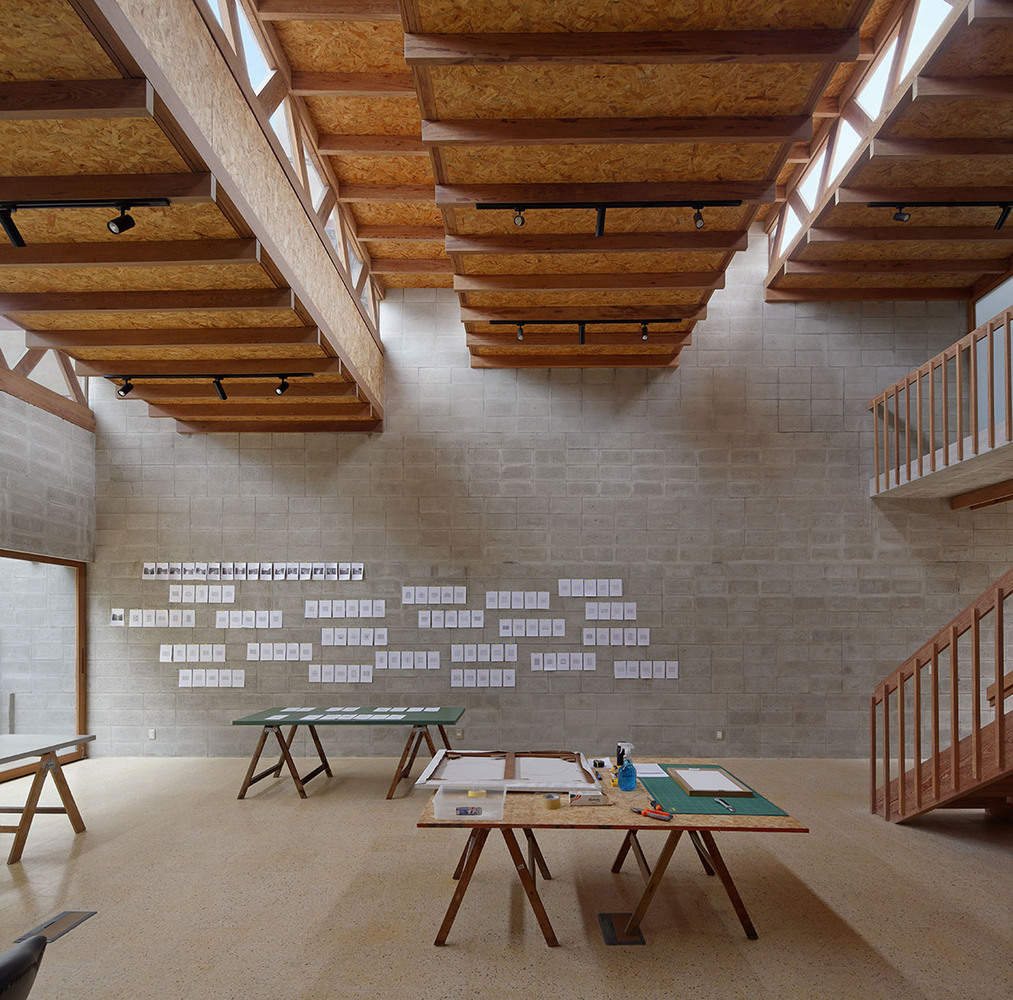
This structure combines the surrounding walls constructed with reinforced concrete blocks, supported by large trusses to form a wooden roof. The roof gradually decreases in height from the second floor office to the first floor backyard. Four rectangular skylights made of trusses were set up between them, providing top light during the day and achieving cross ventilation of the courtyard through the upper windows using pulleys. These elements evoke the skylight and lantern elements in Baranco's historical architecture, which historically addressed the natural lighting and ventilation of the area.
该结构结合了用钢筋混凝土砌块建造的周边墙体,由大型桁架支撑起木制屋顶。该屋顶从二楼办公室向一楼后院逐渐降低高度。 其间开设了四个由桁架构成的矩形天窗,不仅在白天提供顶光,还通过其上部的窗户利用滑轮实现了对庭院的交叉通风。 这些元素唤起了巴兰科的历史建筑中的天窗、灯笼元素,历史上它们解决了该区域的自然采光和通风。
© Juan Solano Ojasi
© Juan Solano Ojasi
© Juan Solano Ojasi
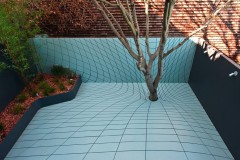
Hu Yalu wood is used throughout the entire project, from the roof, partitions, doors, furniture, and stairs leading to the second floor. The concrete block wall appears smooth indoors, but presents uneven textures in the courtyard, making it easy to hide lighting fixtures or serve as support for climbing plants. On the first floor, yellow handmade ceramic tiles were laid on the ground, extending continuously to the backyard where a flower bed formed by concrete louvers ended. A Saibo tree was planted in the center, surrounded by cacti and succulents to enhance the spatial characteristics.
胡亚鲁木运用在整个项目中,从屋顶、隔断、大门、家具和通往二楼的楼梯。 混凝土块墙体在室内显得光滑,而在庭院中则呈现出凹凸不平的纹理,以便于隐藏灯具或作为攀爬植物的支撑。在一楼,地面铺设了黄色的手工陶瓷砖,连续延伸至后院,在那里以混凝土百叶窗形成的花坛结束。中央种植了一棵塞伊博树,周围搭配了仙人掌和多肉植物,以完善空间的特性。
© Juan Solano Ojasi