Shahtab Residential Project/STUDIO SAHEB
沙赫塔布住宅项目 / STUDIO SAHEB
阳台的重新定义与空间价值的提升:沙赫塔布住宅项目最令人印象深刻的亮点在于其对阳台的创新性设计。建筑师并未将阳台仅仅视为建筑立面上的附属构件,而是将其作为项目的核心,赋予其重要的功能和象征意义。阳台不再是单薄的结构,而是宽敞、舒适的户外空间,成为室内生活的延伸。这种设计回应了城市居民对过渡空间的需求,模糊了室内与室外的界限,为居民提供了在城市环境中享受私人开放空间的场所,极大地提升了居住体验。这种对阳台的重新定义,是项目在设计理念上的重大突破,体现了对人居需求的深刻理解。
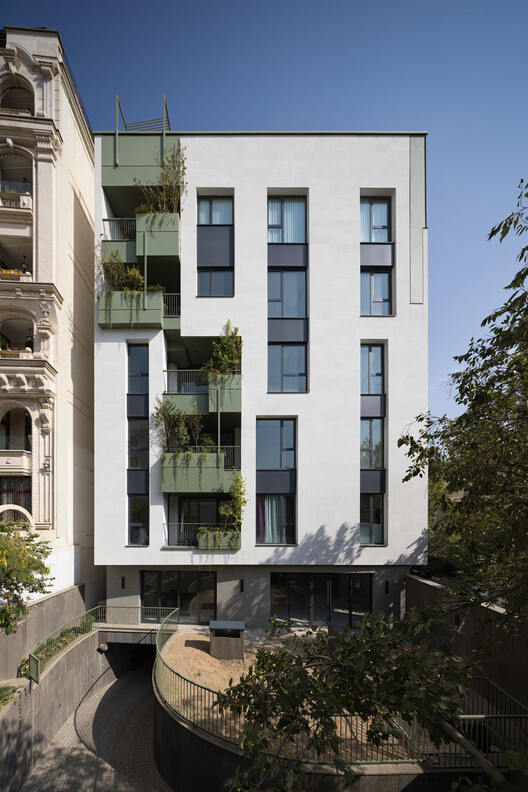
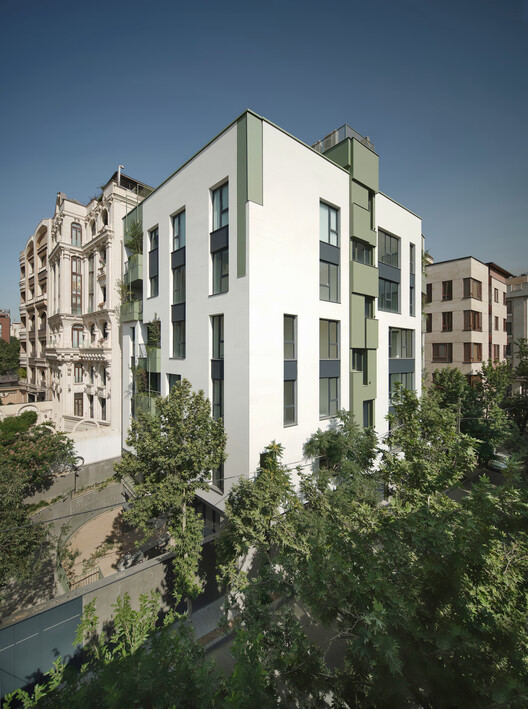
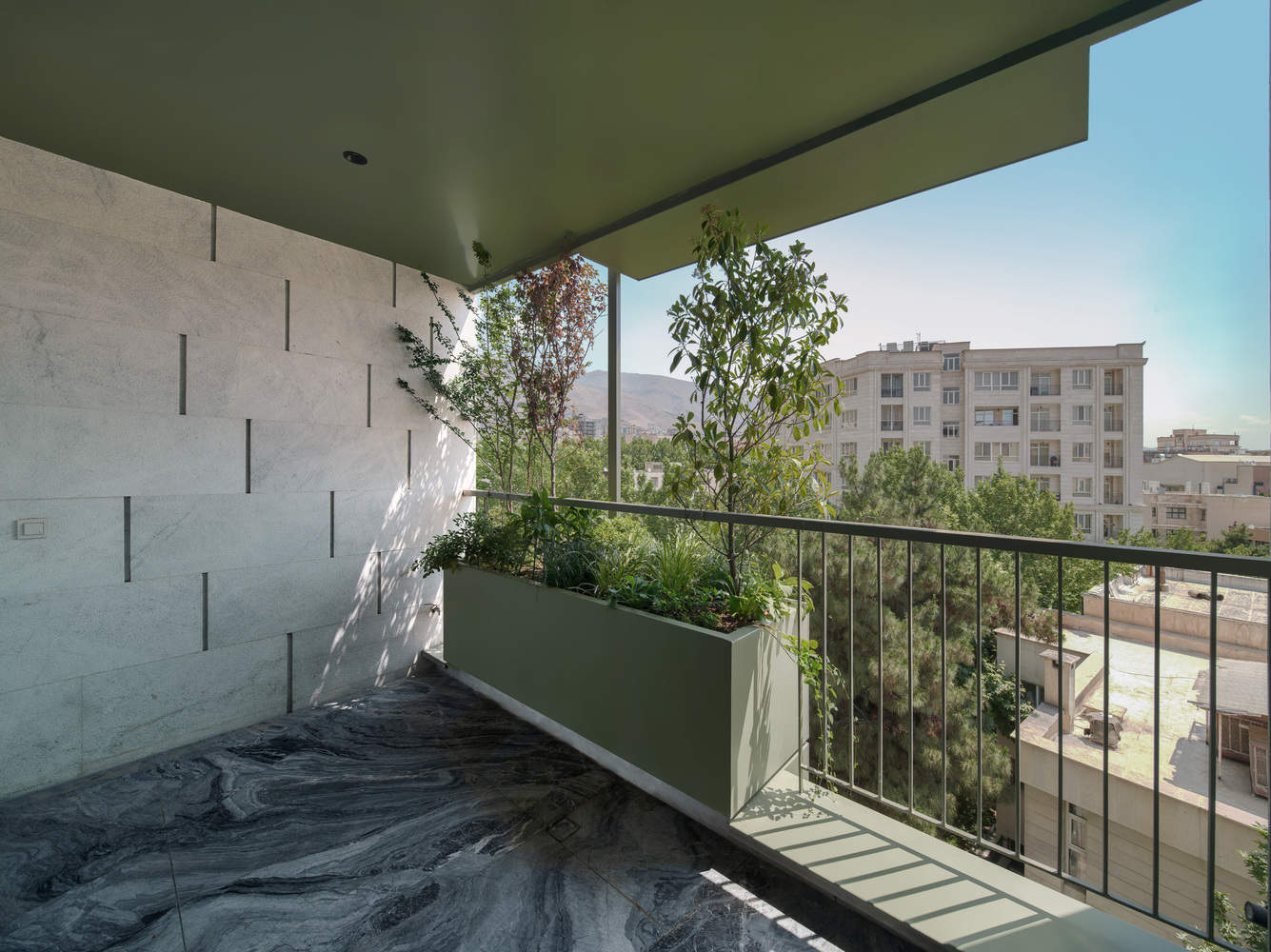
垂直绿化的引入与城市立面的活化:项目的精髓在于将阳台与垂直绿化完美结合,创造出充满生机的建筑立面。设计者巧妙地将深型花槽与金属栏杆相结合,构成一个个“外置延伸部件”。这些阳台不仅提供了休闲娱乐的功能,更成为一道由绿植构成的屏障,连接着居民的室内生活与城市的街景。不同品种树木的种植,赋予了立面丰富的层次感和韵律感。这种对绿植的巧妙运用,不仅美化了建筑外观,更改善了城市环境,实现了建筑与自然的和谐共生。这种设计手法在密集的城市环境中,为居民创造了独特的居住体验,也为城市景观注入了活力。
材料与色彩的对比,以及设计哲学的转变:沙赫塔布项目在材料与色彩的运用上展现了巧妙的对比。这种对比不仅体现在视觉效果上,更强化了设计理念的转变。绿色植物不再是简单的装饰,而是公共与私人空间之间的桥梁,为居民提供庇护和宁静,同时也为城市增添了生机勃勃的立面。建筑师通过精心设计的细节,例如金属栏杆的拼接、花槽的设计,以及不同材质之间的搭配,营造出一种独特的视觉语言。这种对细节的关注,以及对材料和色彩的巧妙运用,体现了设计者对建筑品质的追求,也使得项目在众多建筑作品中脱颖而出,成为一个具有代表性的城市住宅案例。
© Mohammad Hassan Ettefagh
© Ali Zanjani
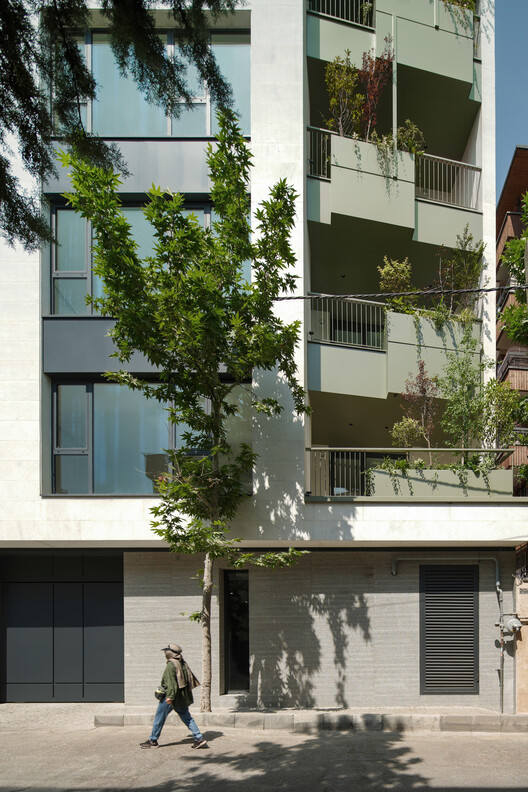
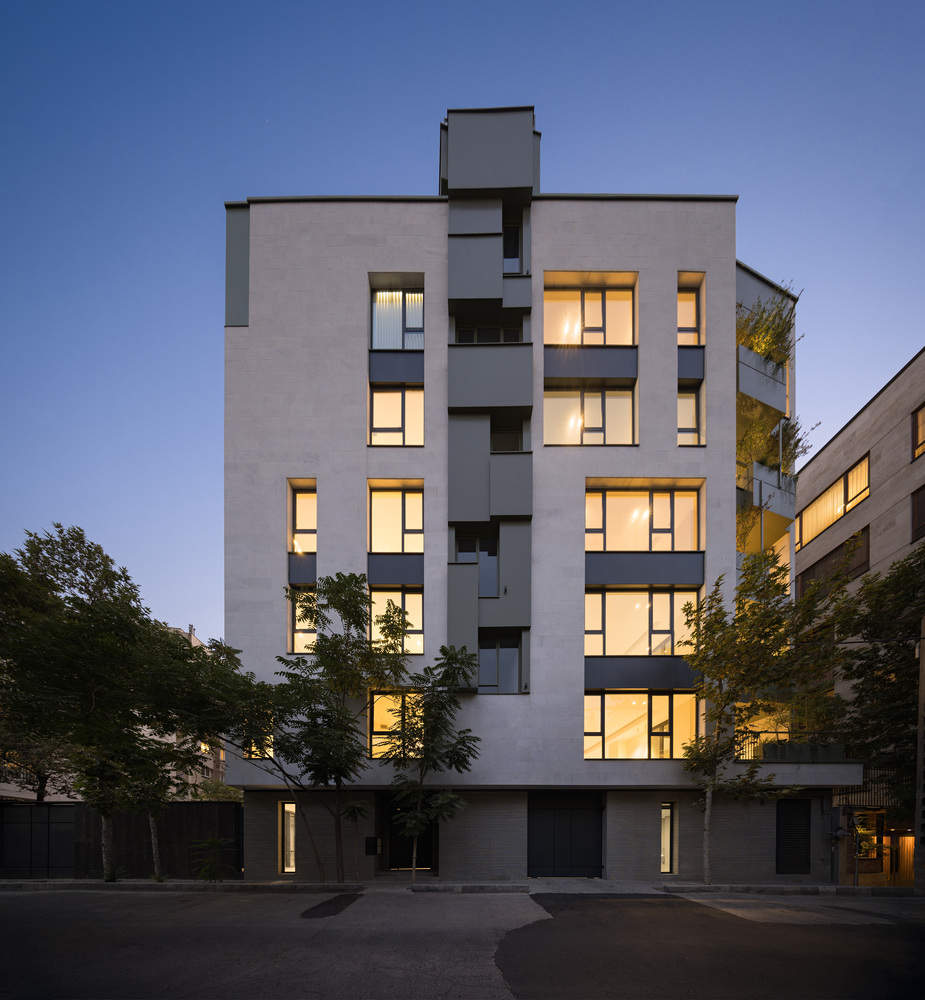
In the dense urban fabric of Qeytarieh in Tehran, the Shabtab project emerged. At that time, people's demand for transitional space between home and city, and for a soft boundary between the two, was more urgent than ever. In this project, the balcony is no longer seen as just a hollow piercing through the building facade, but as the core of the project - it serves as a continuous, powerful, and integrated element that shapes the unique identity of the building.
在德黑兰凯塔里耶(Qeytarieh)密集的城市肌理中,沙赫塔布(Shabtab)项目应运而生,彼时,人们对介于家与城市之间的过渡空间、对两者间柔和界限的需求,比以往任何时候都更为迫切。在此项目中,阳台不再被视为仅仅是刺穿建筑立面的空洞,而是被当作项目的核心所在 —— 它作为一个连续、有力且融为一体的元素,塑造着建筑的独特身份。
© Ali Zanjani
© Ali Zanjani
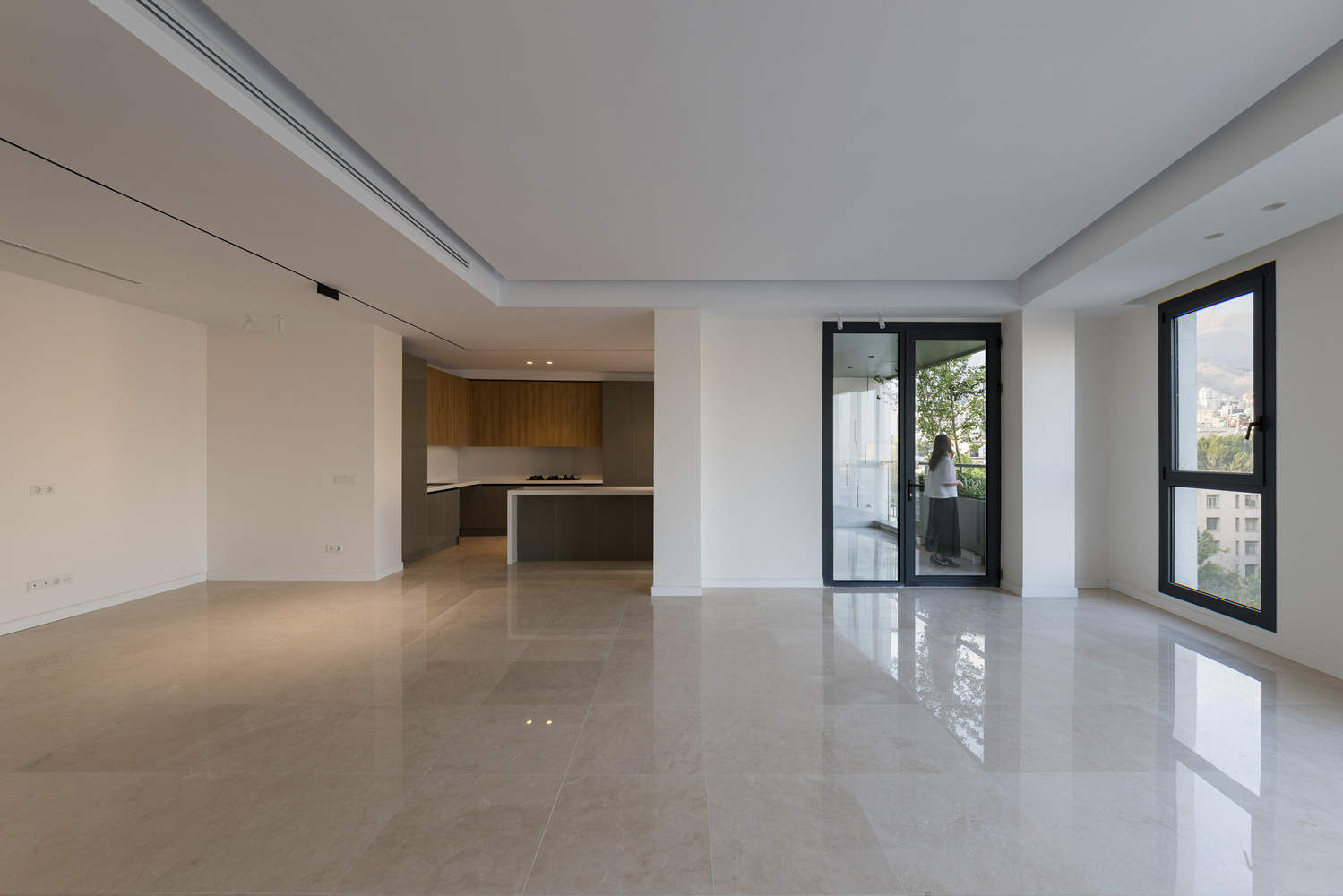
The building consists of ten residential units, with two apartments on each floor, each equipped with modern facilities to support contemporary urban life. Each unit has an exclusive balcony - not a symbolic accessory, but a functional extension of the indoor space, spacious enough to meet people's needs for seating, dining, or simply enjoying the changing light and seasons. These outdoor spaces have become daily leisure destinations for residents, providing them with a private open corner in the dense atmosphere of the city.
该建筑由十个住宅单元构成,每层设置两套公寓,每套公寓均配备齐全的现代化设施,以支持当代城市生活。每个单元都拥有专属的阳台 —— 这并非象征性的附属物,而是室内空间的功能性延伸,面积宽敞,足以满足人们就座、用餐或单纯享受光影变幻与四季更迭的需求。这些户外空间成为居民的日常休闲去处,在城市的密集氛围中,为他们提供了一处私密的开放角落。
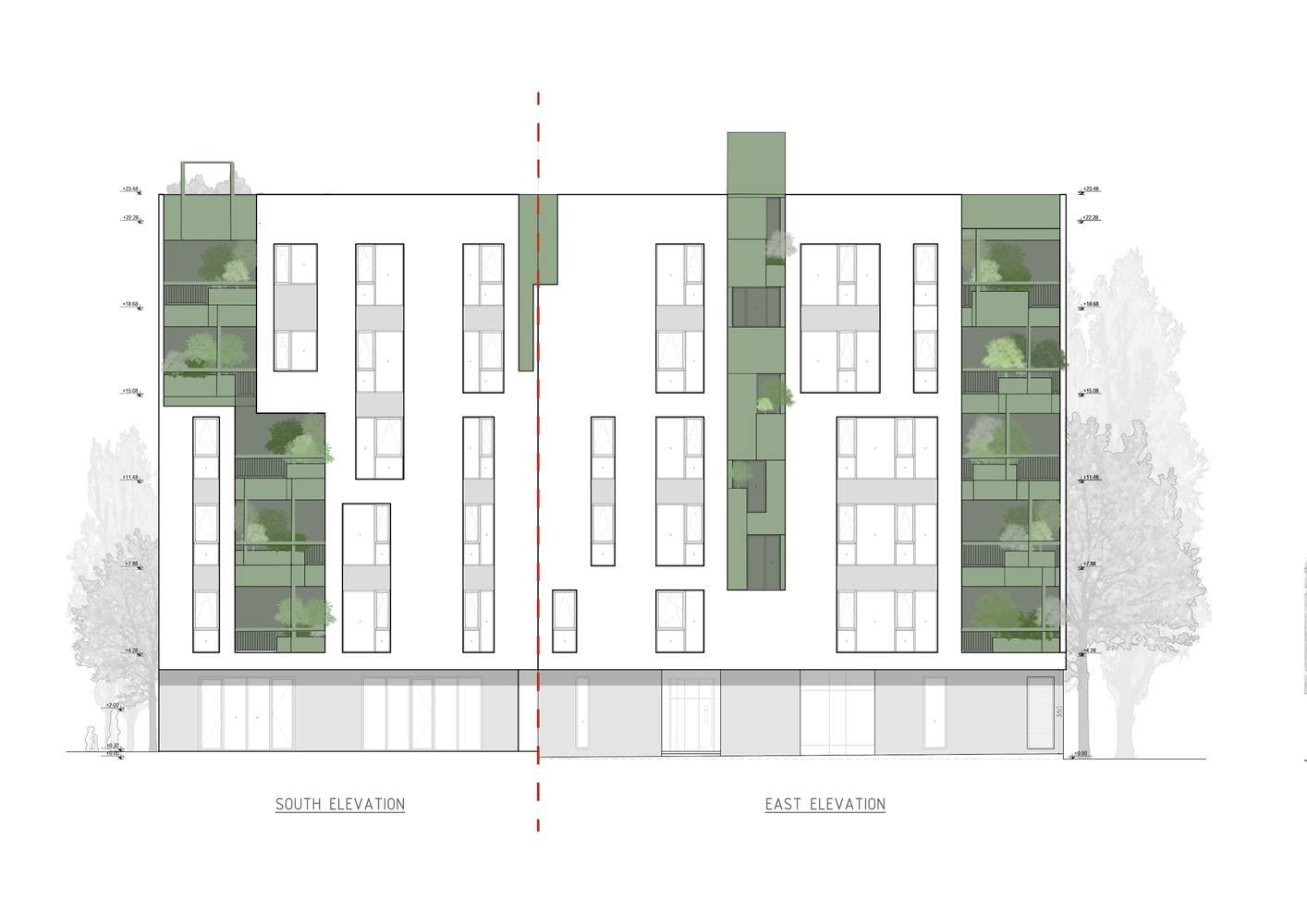
立面图
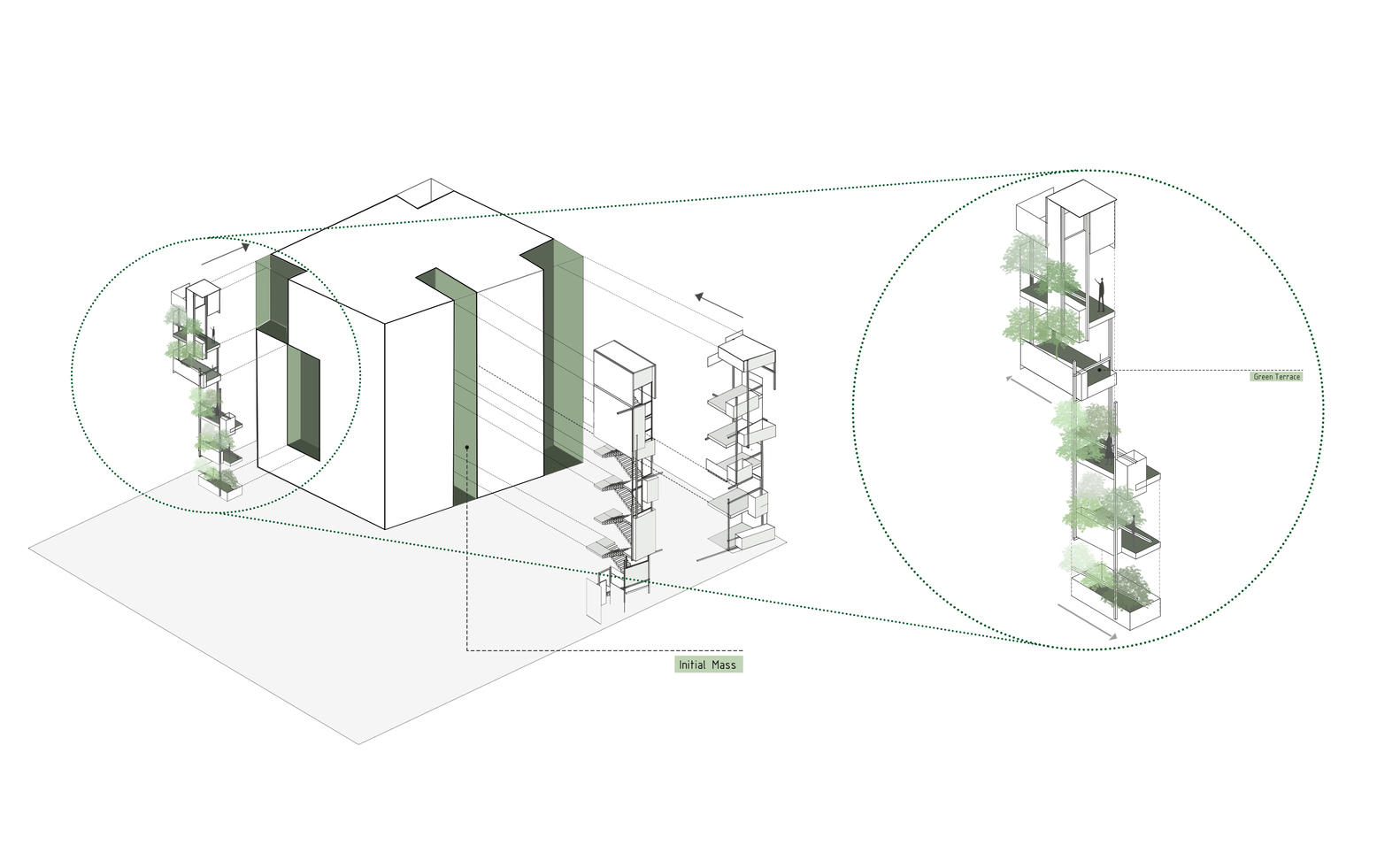
轴测分析图
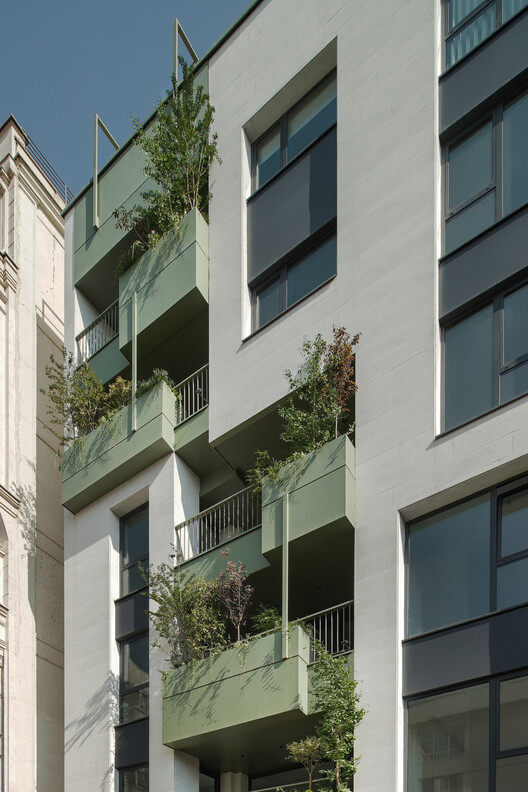
The balcony integrates deep flower beds that can accommodate mature trees with exquisite metal railings made by splicing horizontal and vertical steel profiles. These balconies are like "external extension components" of the main building, with functions far beyond that. They also serve as a vibrant green barrier, closely connecting residents' indoor lives with the city's streetscape. Each flower box is planted with different varieties of trees, adding a diverse sense of rhythm to the building facade.
阳台将可容纳成熟树木的深型花槽与通过水平和垂直钢型材拼接而成的精致金属栏杆融为一体。这些阳台如同主体建筑的“外置延伸部件”,其功能远不止于此,更化作一层鲜活的绿色屏障,将居民的室内生活与城市街景紧密相连。每个花箱中栽种着不同品种的树木,为建筑立面增添了变化多样的韵律感。
© Ali Zanjani
© Mohammad Hassan Ettefagh
The deliberate contrast between color and material reinforces the shift in design philosophy. Here, greenery is not simply decoration, but a mediator between public and private spaces, providing shelter and tranquility for residents while giving the city a vibrant facade.
色彩与材质上刻意形成的对比,强化了设计理念上的转变。在这里,绿植并非单纯的装饰,而是公共与私人空间之间的调和者,既为居民提供庇护与宁静,又让城市拥有一面充满生机的立面。
© Mohammad Hassan Ettefagh