One House 2 Residential/DRAWING WORKS
One House 2 住宅 / DRAWING WORKS
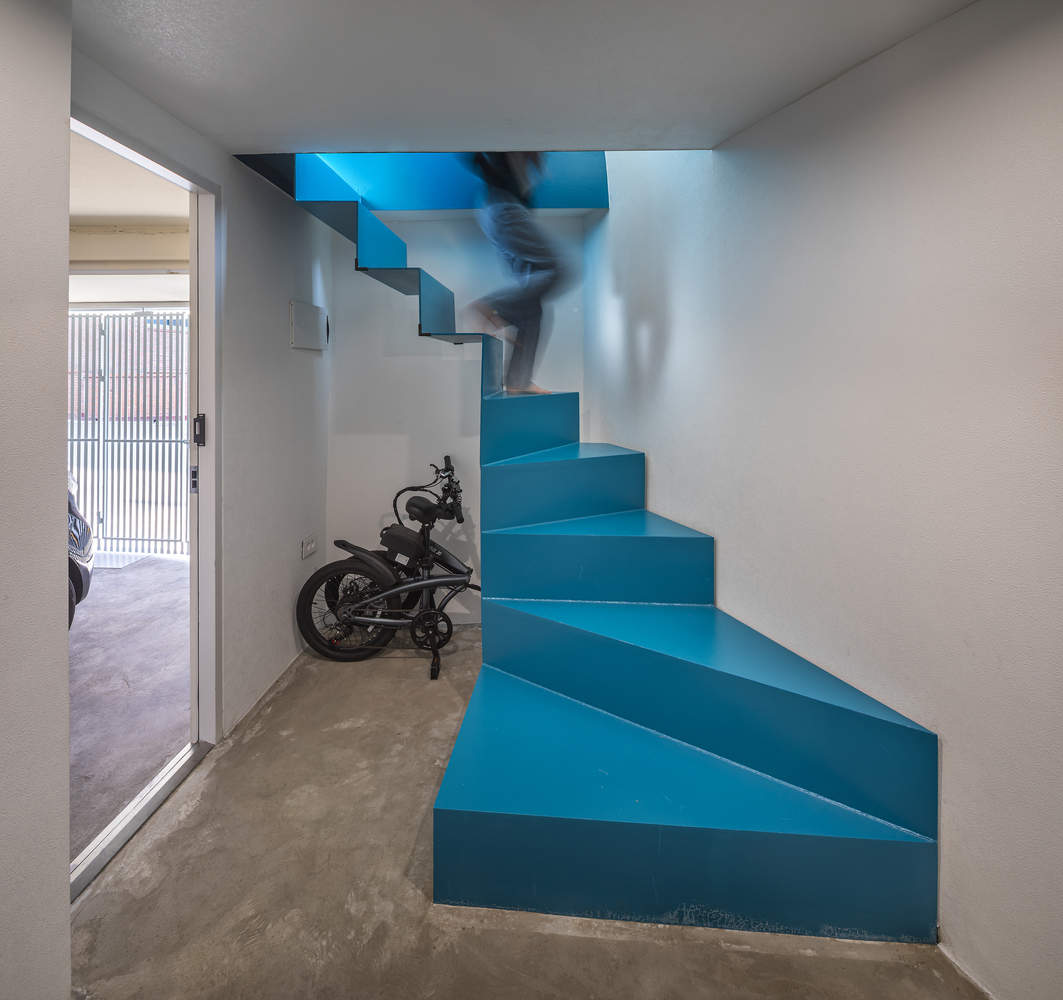
空间流线的巧妙重塑:设计师在此项目中展现了对空间流线的卓越掌控。通过拆除外部楼梯并将首层改造为停车区和主入口,项目重新定义了建筑的内部动线。这种重新规划并非简单的功能叠加,而是围绕着“便捷”和“流畅”展开,巧妙地将停车、入口、厨房和内部楼梯连接起来。新的通行路径设计,使得居民能够自然而然地通往楼上,体现了以人为本的设计理念。此外,二层紧凑而多功能的设计,包括房间、露台和屋顶的布局,在有限空间内创造了丰富的居住体验,满足了现代生活的多样化需求,充分体现了设计师对空间利用的极致追求。
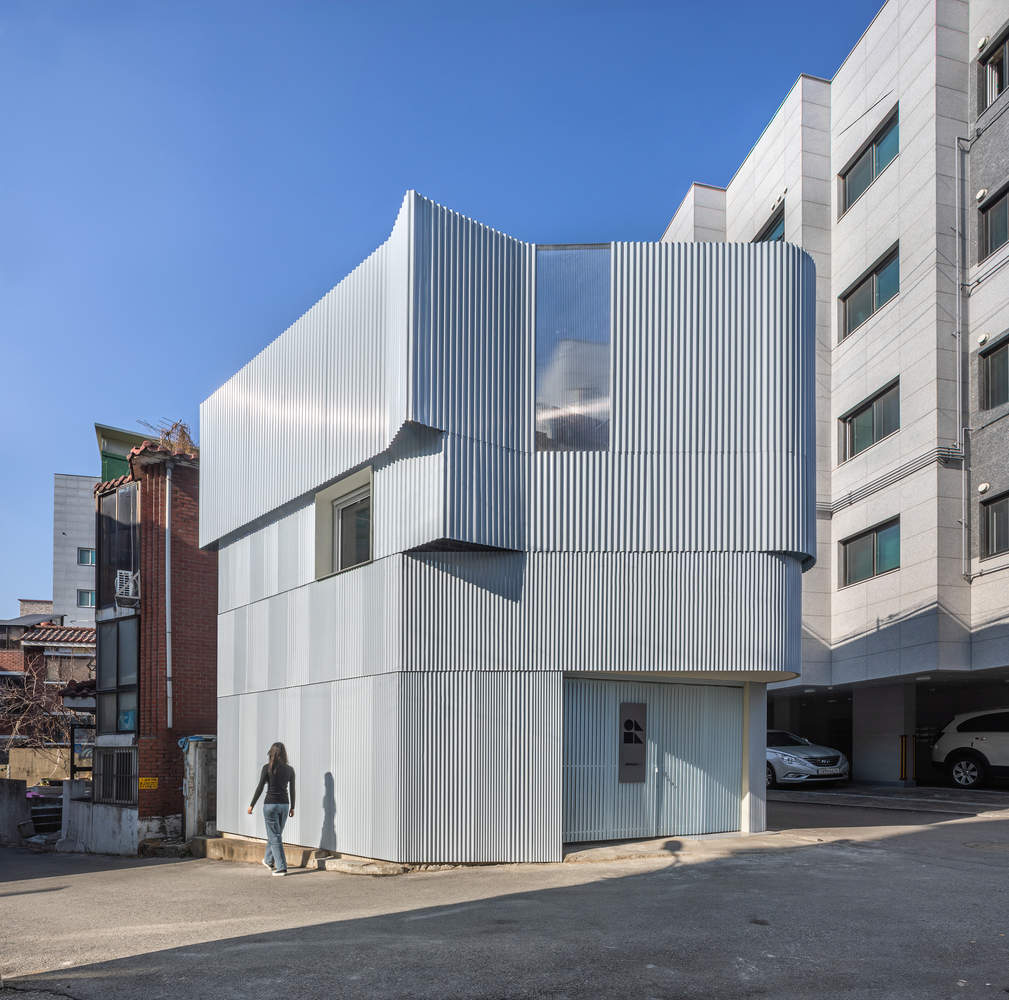
结构与立面的创新结合:该项目在结构和立面处理上展现了独到的见解。为满足停车等实际需求,项目大胆采用了钢结构框架,这不仅确保了建筑的结构稳定性,也为室内空间提供了更大的灵活性。更值得称道的是,建筑外立面摒弃了繁复的装饰,而是将重点放在材质和形态的互动上。通过巧妙地运用耐久且经济的波纹钢板,并结合三种不同的图案,立面呈现出独特的深度和节奏变化,赋予了建筑丰富的视觉层次。这种设计手法在有限的预算下,实现了外观的精致与内涵,充分体现了设计师对材料特性的深刻理解和对建筑美学的独到见解。
城市语境的积极回应:该项目对城市环境的敏感回应是其最大的亮点之一。建筑位于三岔路口的拐角处,三面暴露在外,设计并未追求标新立异,而是充分利用这一地理优势,将建筑融入周边环境,并在城市肌理中扮演象征性角色。设计团队通过精心的布局,最大限度地利用了建筑的朝向,南立面大面积的窗户设计,引入充足的自然光线,同时减少北向开口,提高了能源效率,体现了对可持续发展的关注。这种“小而精”的设计理念,不仅提升了建筑的功能性和美观性,也为城市带来了新的活力,展现了建筑师在城市设计中的责任感和创新精神。
© Yoon, Joonhwan
© Yoon, Joonhwan
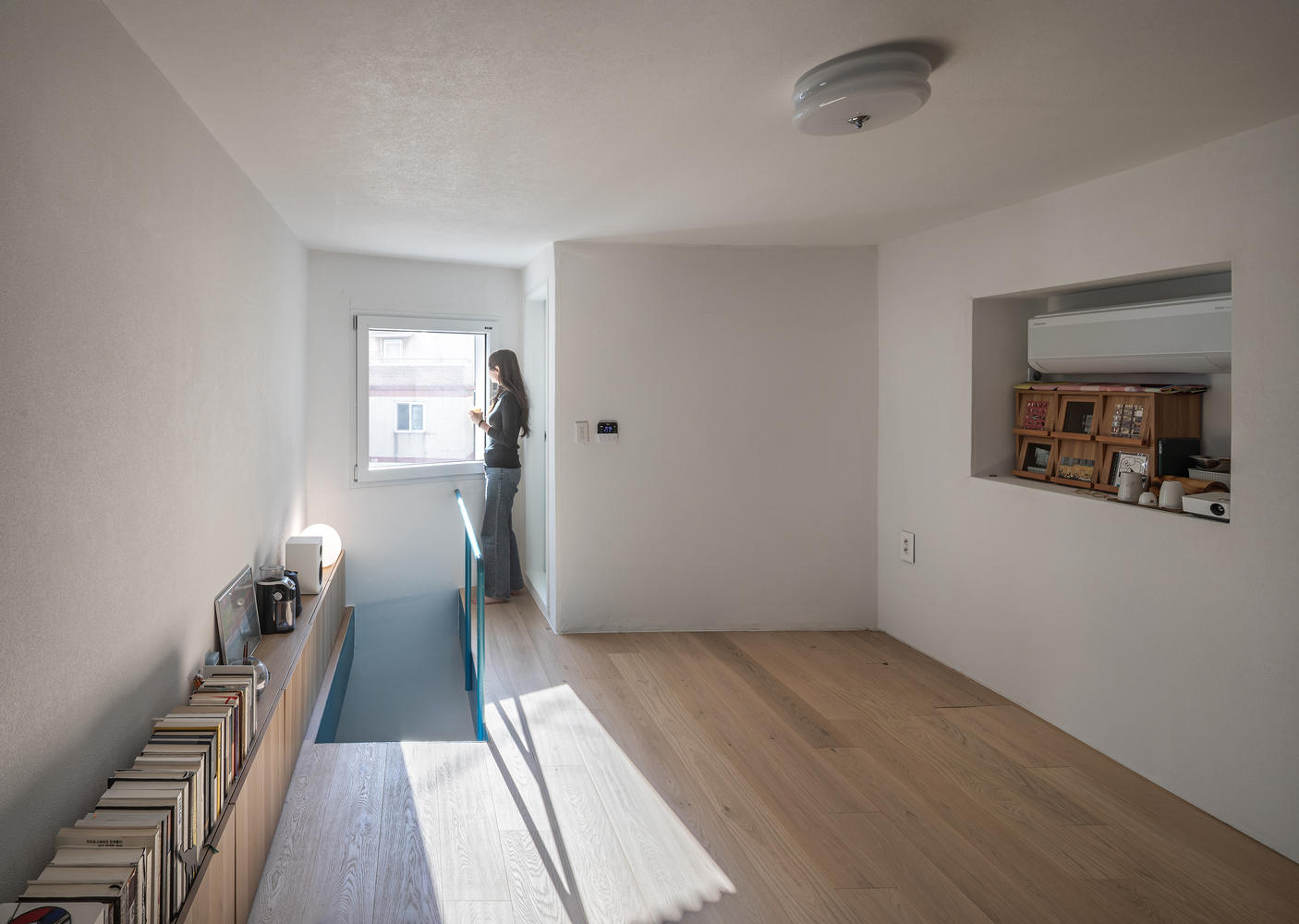
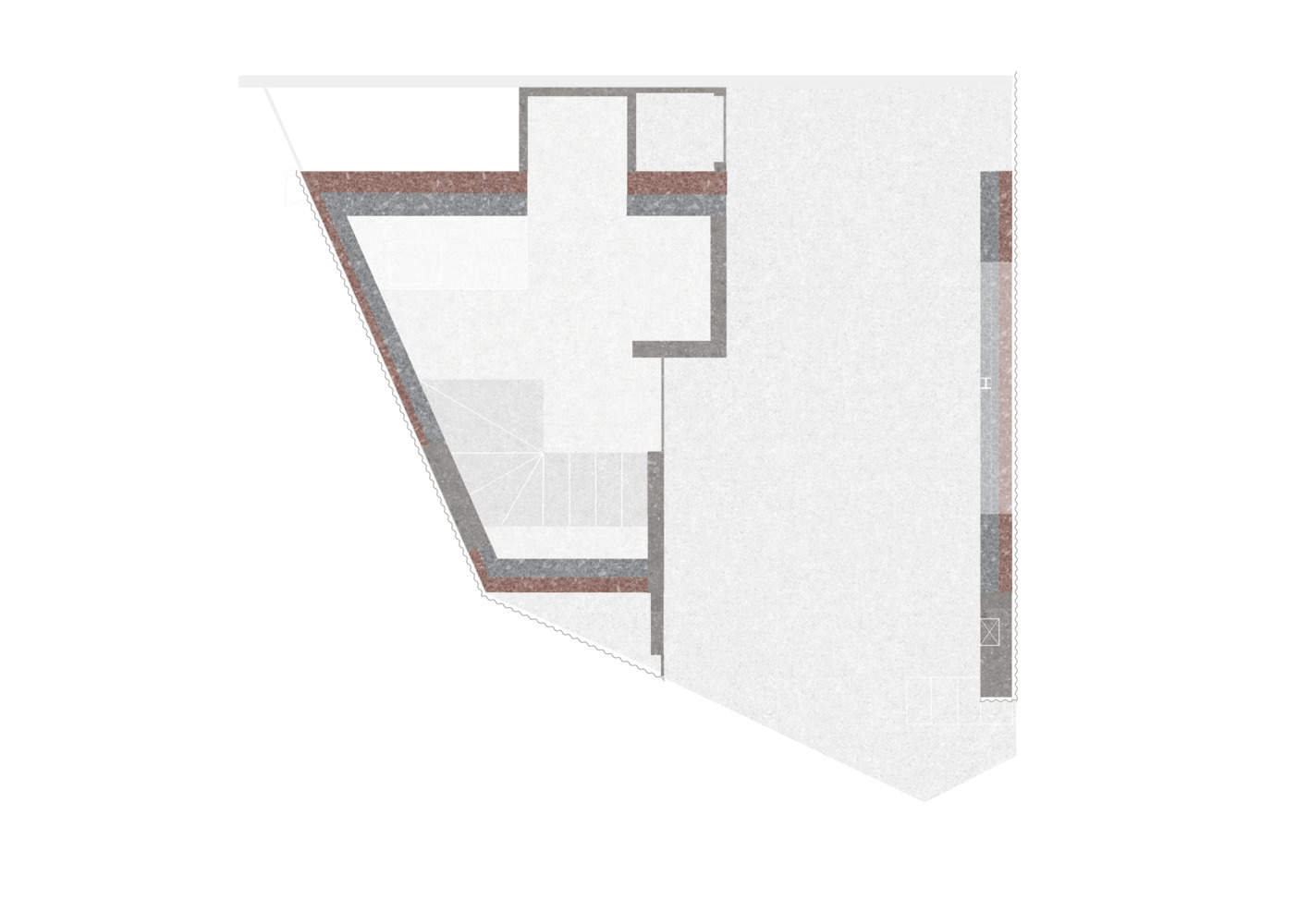
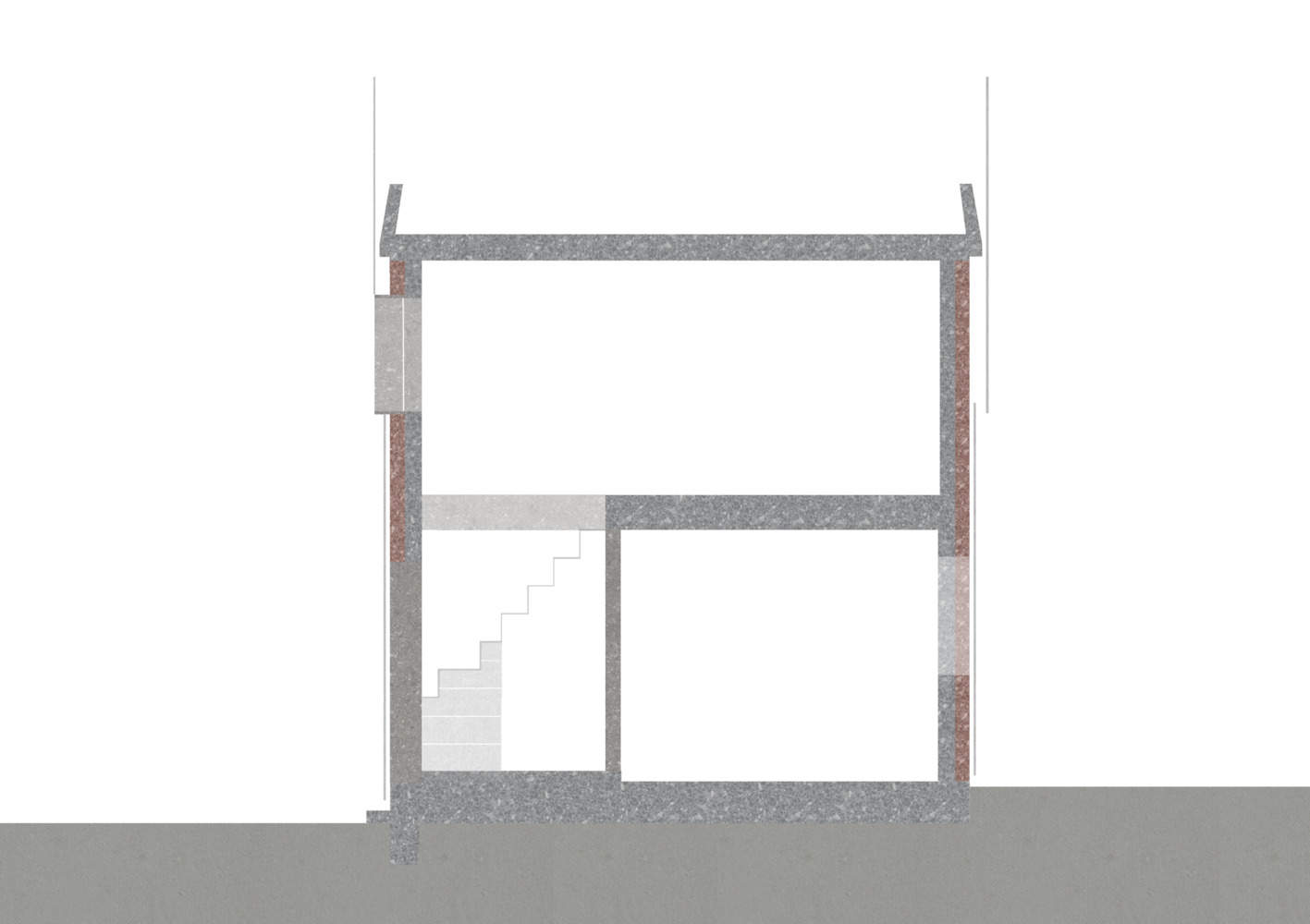
In this project, the design team re planned the spatial flow of the building by demolishing the original external staircase and transforming the first floor into a parking area and main entrance. The design team has simplified the flow lines connecting the parking lot, entrance, kitchen, and internal stairs by designing new traffic routes, so that people can naturally access the upper floors. On the second floor, the layout of rooms, terraces, and roofs is compact yet multifunctional, allowing residents to enjoy a variety of experiences within a limited space. To meet practical needs such as parking, the project adopts a steel structure framework, which ensures structural stability and improves space utilization. A large number of windows are installed on the south facade to introduce natural light, while minimizing northbound openings to improve energy efficiency.
在该项目中,设计团队通过拆除原有外部楼梯,并将首层改造为停车区域和主入口,重新规划了建筑的空间流线。设计团队通过设计新的通行路线,简化了连接停车场、入口、厨房和内部楼梯的流线,以便人们能自然地通往楼上各层。在二层,房间、露台和屋顶的布局紧凑却功能多样,让住户能在有限的空间内享受多种体验。为满足停车等实际需求,项目采用钢结构框架,既确保了结构稳定性,又提高了空间利用率。南立面大量设置窗户以引入自然光,同时尽量减少北向开口,以提升能源效率。
© Yoon, Joonhwan
© Yoon, Joonhwan
© Yoon, Joonhwan
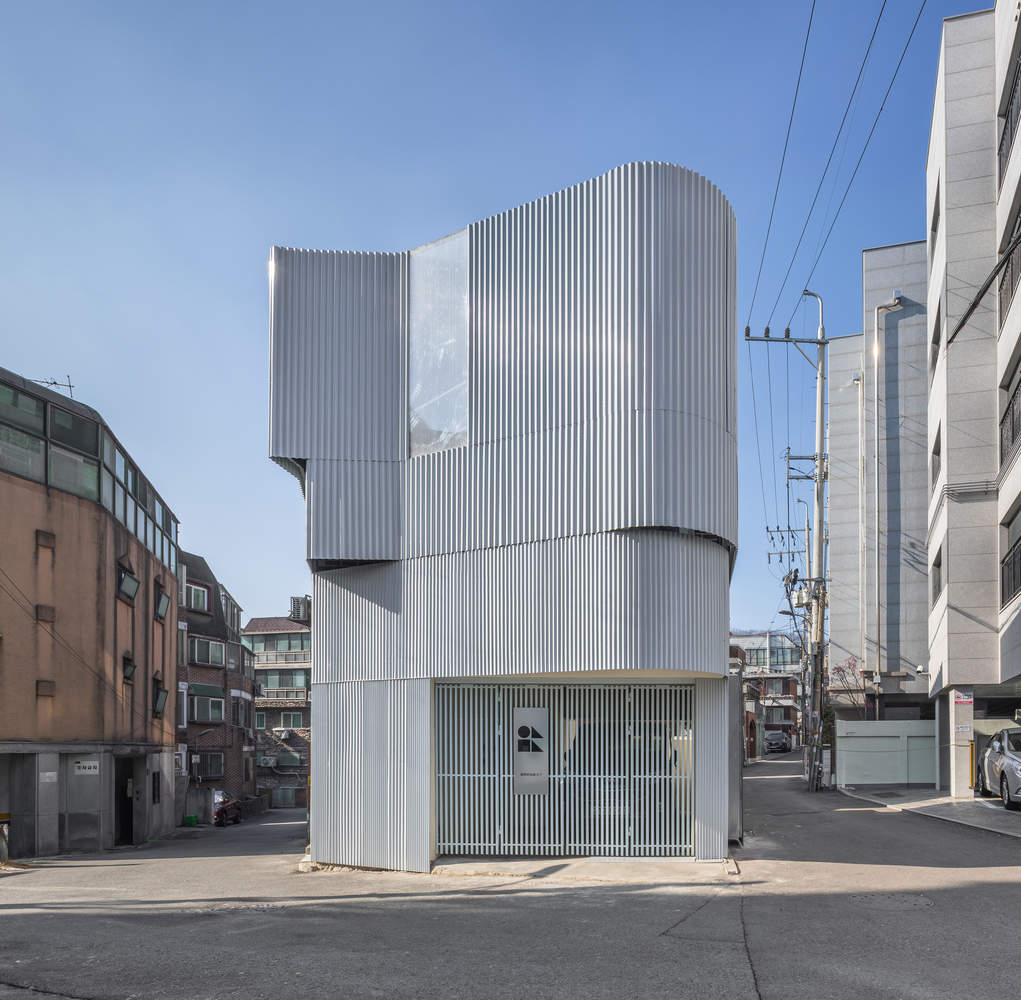
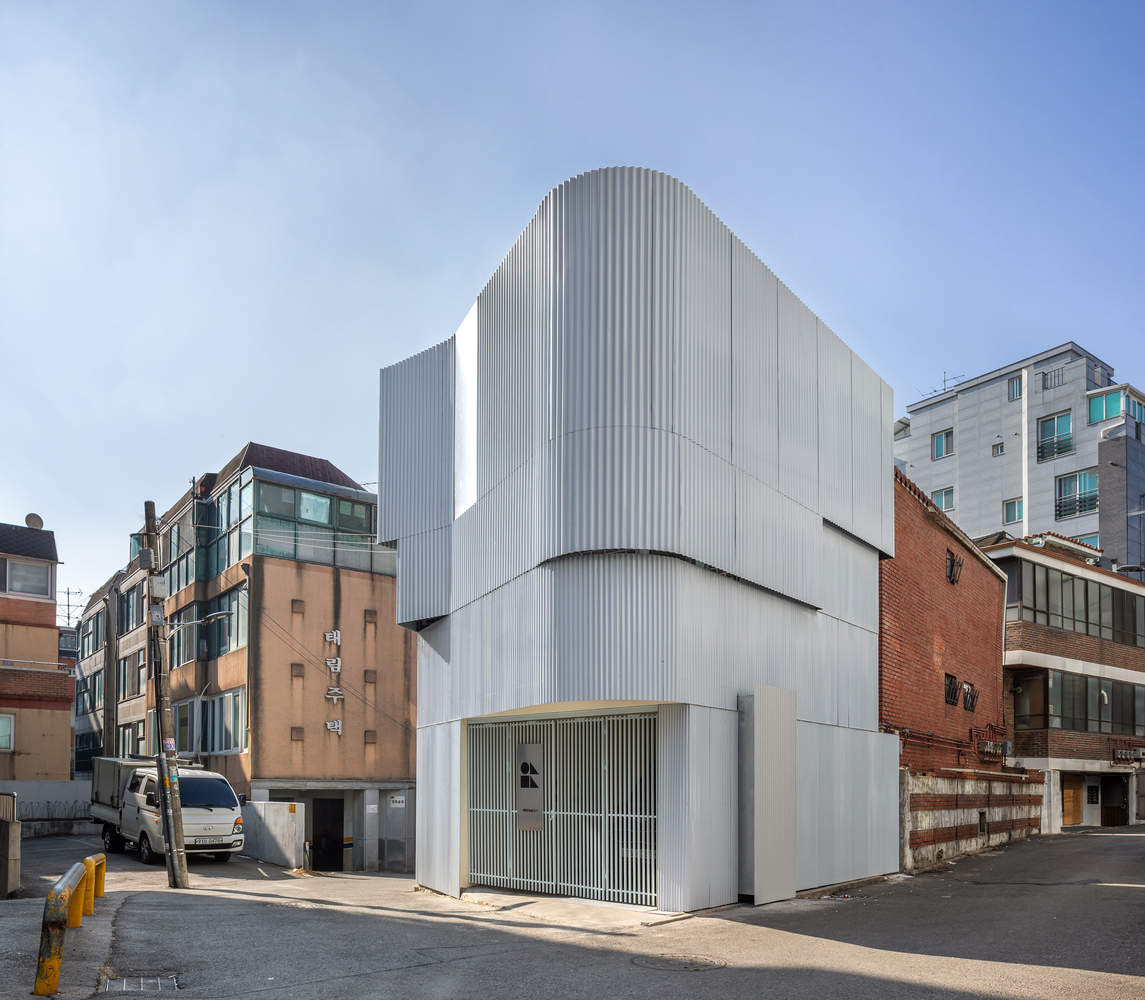
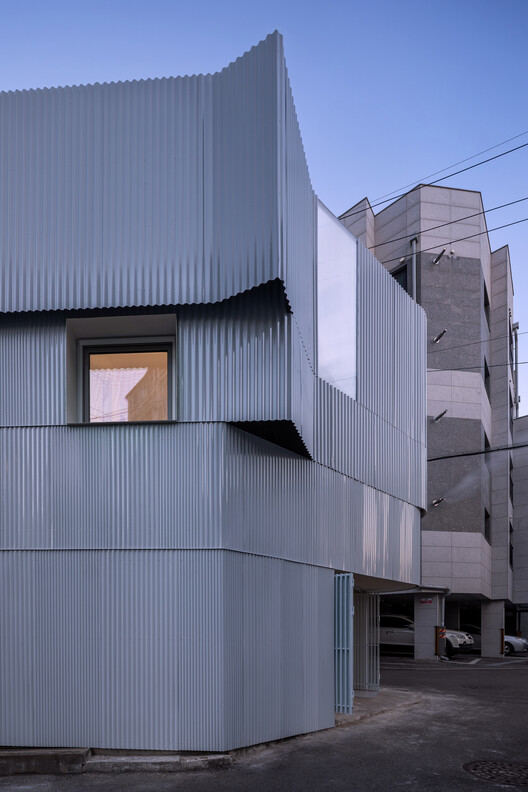
The residence is located at the corner of a three-way intersection, with three sides exposed, making it particularly prominent in the urban fabric. The design did not deliberately pursue eye-catching features, but fully utilized this geographical condition, integrated into the surrounding landscape, and played a symbolic role in the urban context. The exterior facade of the building abandons excessive decoration and instead focuses on the interaction between material texture and form. Durable and economical corrugated steel plates are selected as the main cladding material, and by combining three ready-made steel plate patterns, the facade presents depth and rhythm changes. This method demonstrates that even small buildings can respond positively and sensitively to urban environments.
该住宅位于三岔路口的拐角处,三面暴露在外,在城市肌理中显得尤为突出。设计并未刻意追求醒目,而是充分利用这一地理条件,融入周边景观,在城市脉络中扮演象征性角色。建筑外立面摒弃过度装饰,转而注重材质纹理与形态的互动。耐久且经济的波纹钢板被选作主要覆层材料,通过组合三种现成的钢板图案,立面呈现出深度与节奏变化。这种方法表明,即使是小型建筑,也能积极且敏锐地回应城市环境。
一层平面图
剖面图
This project explores how small residential buildings can achieve the unity of functionality and aesthetic quality in urban centers, surpassing the scope of traditional home renovation. It aims to demonstrate how, through subtle and thoughtful interventions, existing structures can adapt to modern lifestyles while preserving their original architectural features. In the end, the project proved that 'small houses' are not synonymous with confinement; Through careful design and innovative perspectives, it can provide a flexible and pleasant living environment. In addition, such small-scale building initiatives have the potential to inject new vitality into cities and stimulate people's imagination of new paradigms for urban living.
该项目探索了小型住宅建筑如何在城市中心实现功能性与美学品质的统一,超越了传统家居改造的范畴。它旨在展示,通过细微而周到的干预,如何在保留原有建筑特色的同时,使现有结构适应现代生活方式。最终,该项目证明,“小房子”并不等同于局促;通过精心设计和新颖视角,它可以提供一个灵活、宜人的居住环境。此外,这类小型建筑举措还有潜力为城市注入新的活力,激发人们对城市居住生活新范式的想象。
© Yoon, Joonhwan