Chapel Cafe/Vinklu
小教堂咖啡屋 / Vinklu
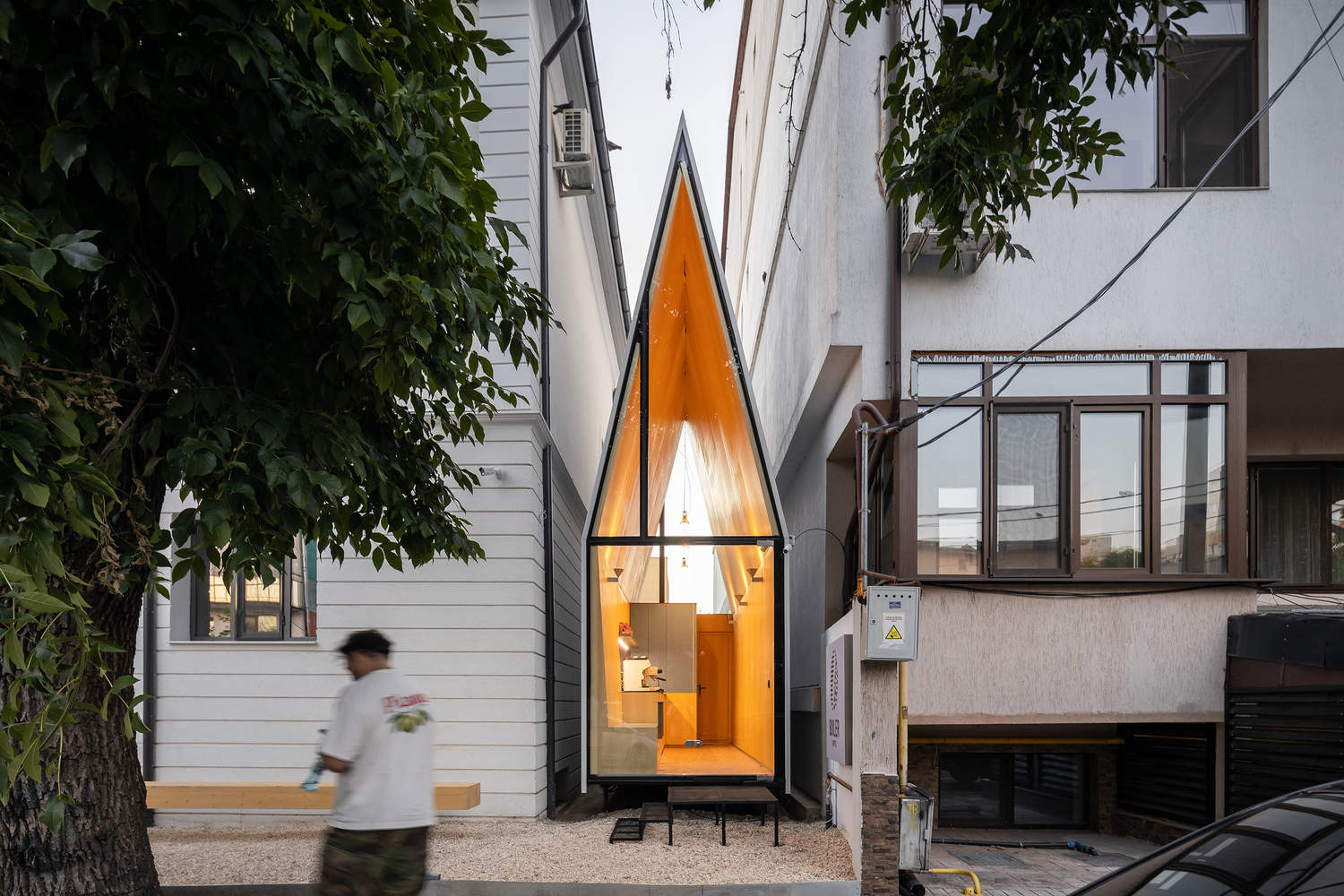
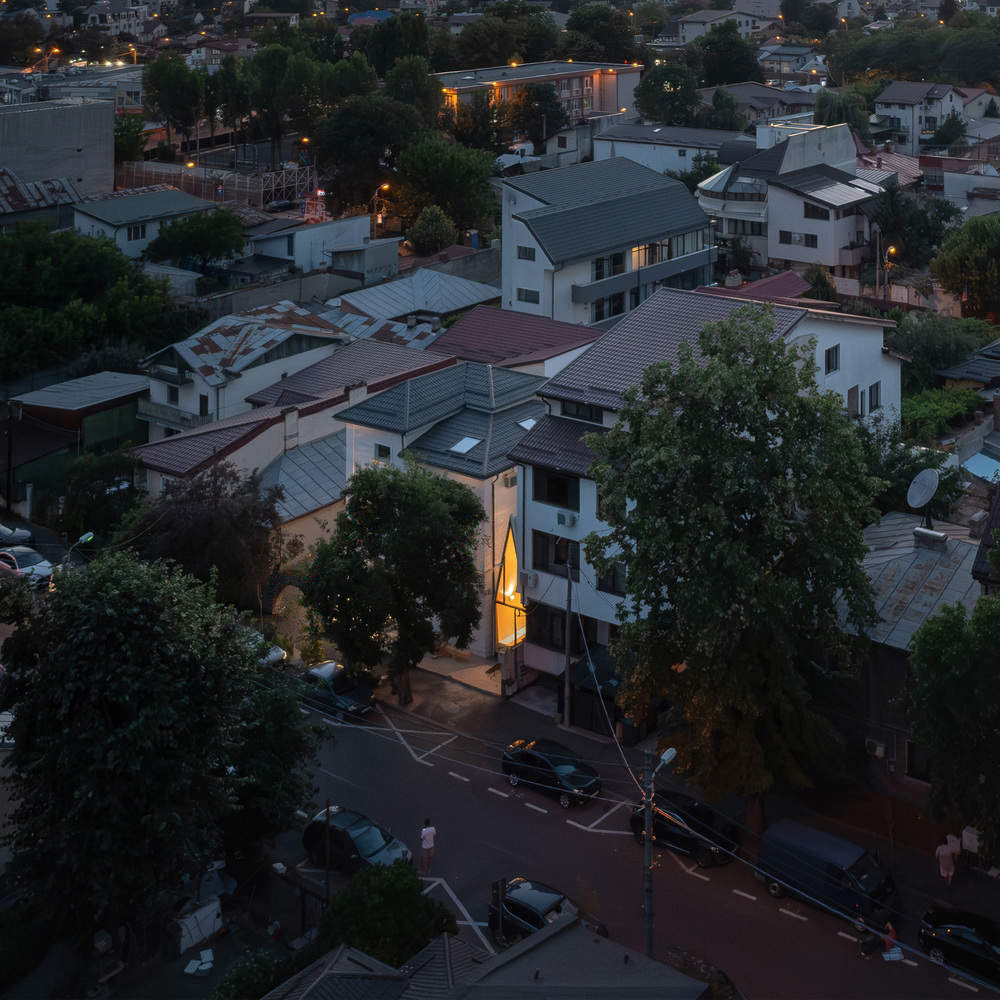
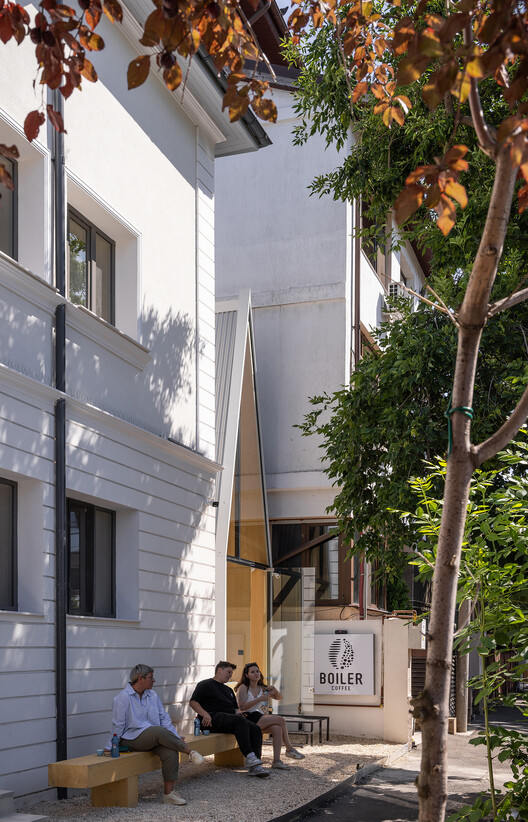
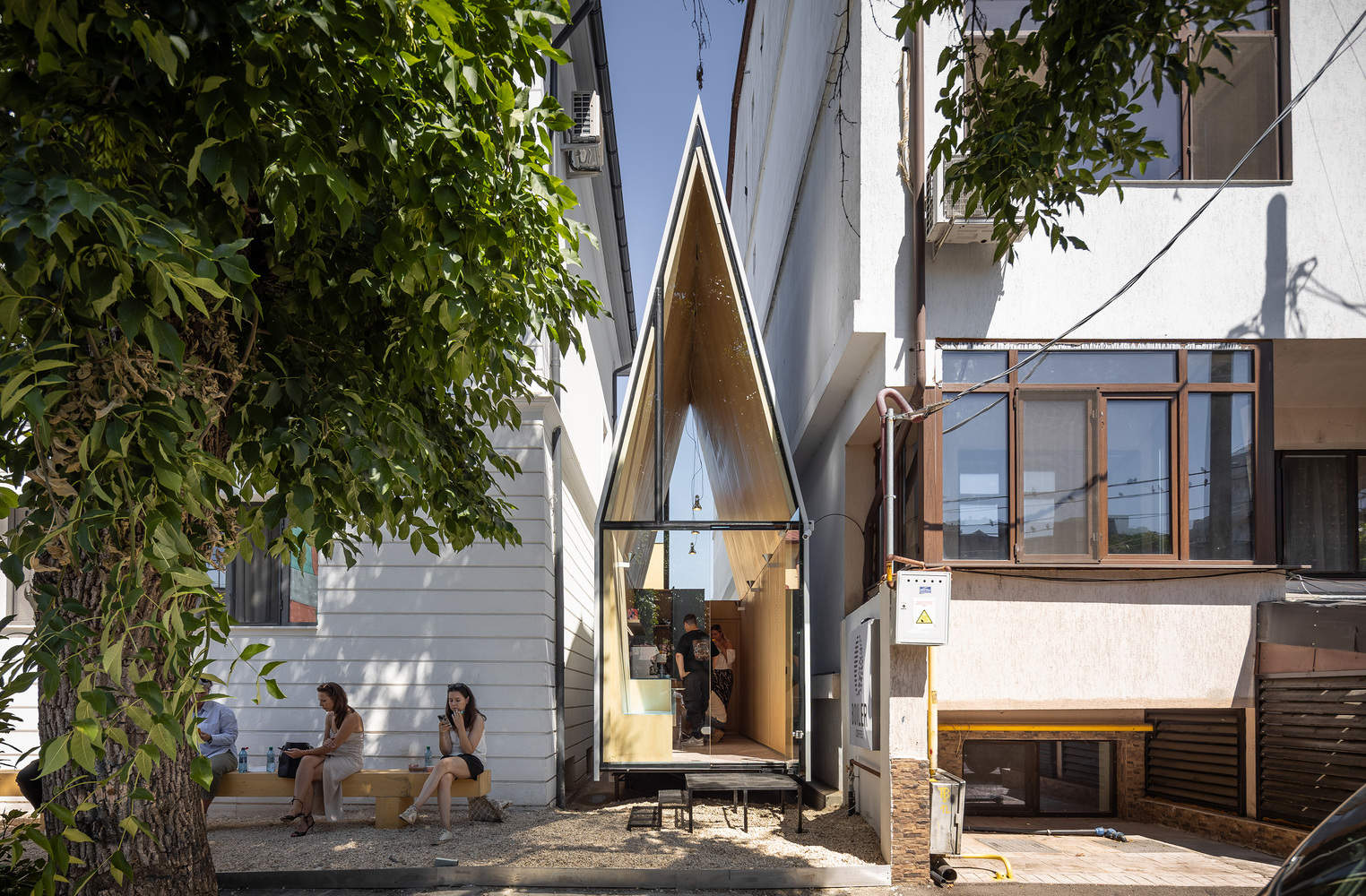
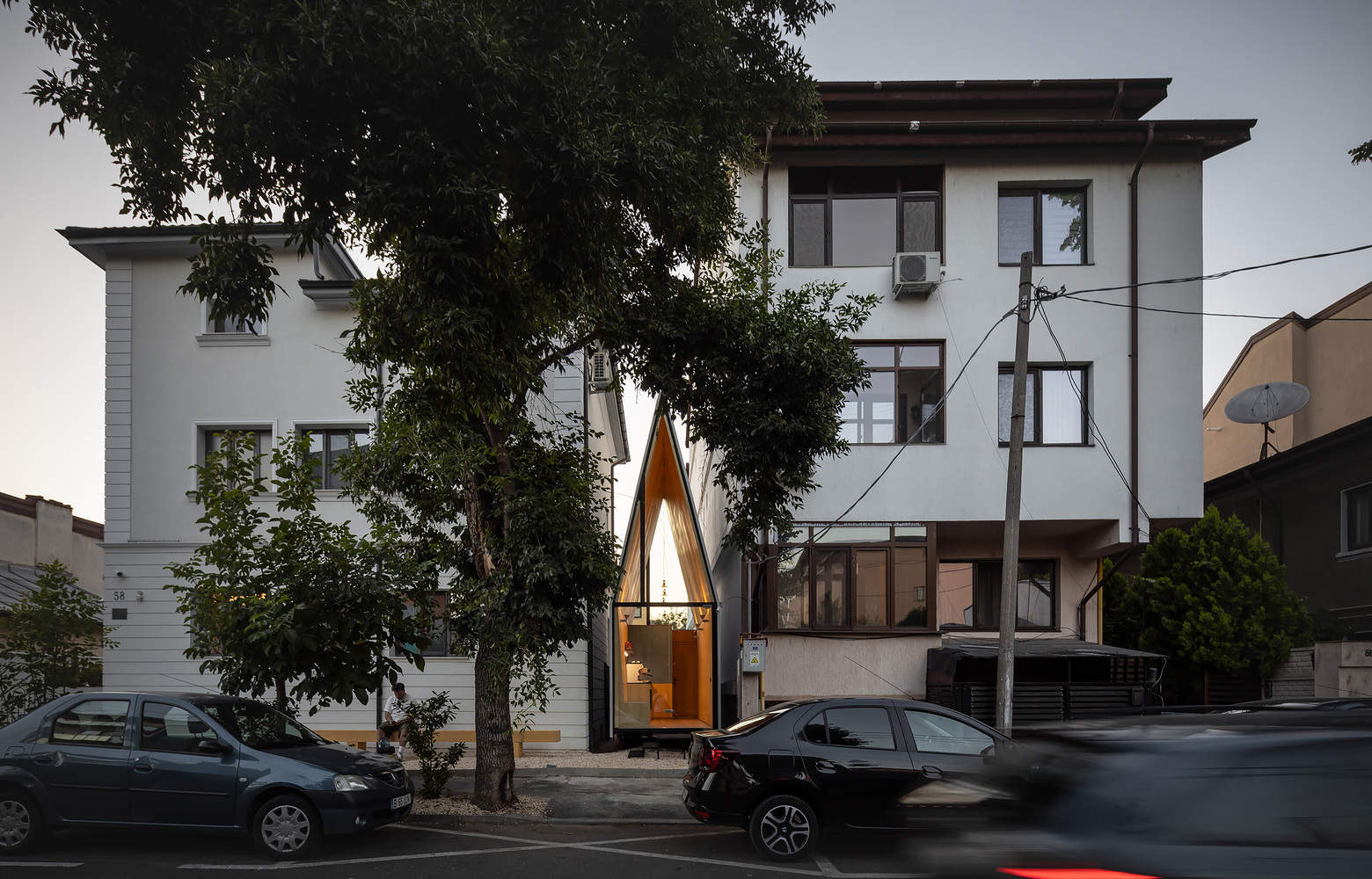
场地与环境的巧妙应对:项目最引人入胜之处在于其对场地限制的巧妙利用。建筑师在狭窄的剩余地块上,通过精准的场地分析和对微环境的深入研究,成功地将一个被人忽视的角落转化为一个充满活力的公共空间。设计团队不仅考虑了微气候、光照和人流,还将周围的自然环境,如参天大树,融入到设计中,形成了建筑与环境的对话。这种敏感性不仅体现在建筑的物理形态上,也体现在其对周围环境的尊重和融入,使得建筑与周围的城市肌理和谐共生。
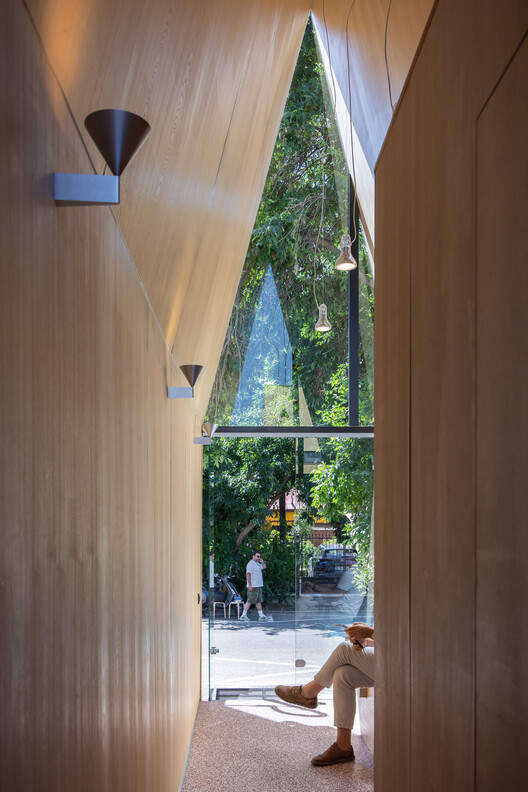
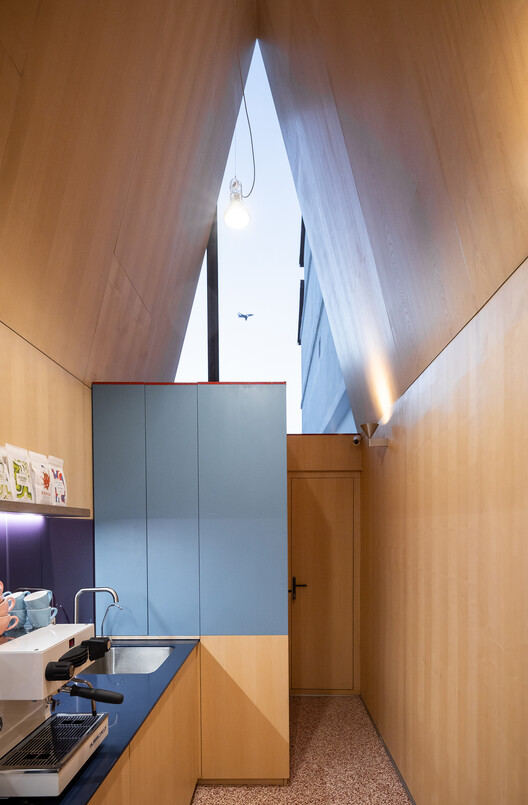
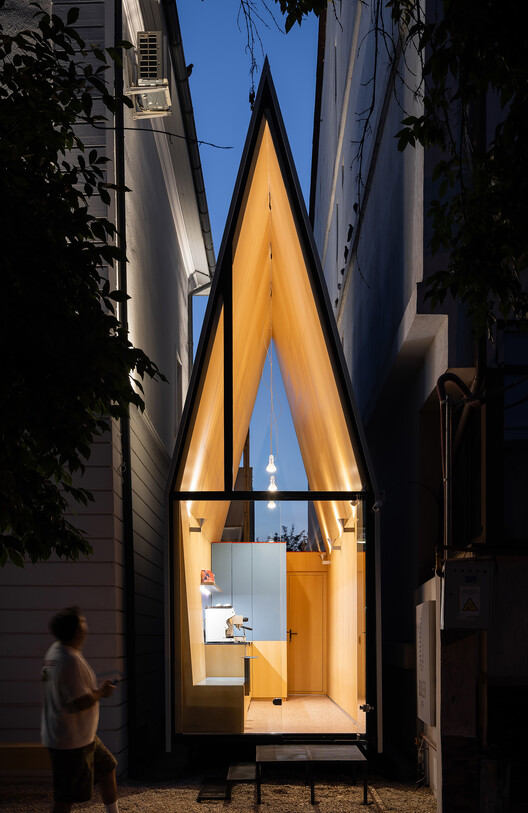
光线与空间的艺术呈现:“光之容器”是这个项目的核心理念。建筑师通过大面积的玻璃幕墙,最大化地利用了自然光。锐角的三角形造型不仅拓展了空间体量,更带来了独特的视觉效果,与周围环境形成了鲜明对比。室内空间通过浅色木材的运用,营造出温暖而静谧的氛围,为使用者提供了沉思与交流的场所。夜晚,建筑则化身为一个璀璨的灯笼,在城市中创造出独特的光影景观。这种对光线、空间和材料的精心设计,赋予了建筑丰富的表现力,使其成为了一个引人注目的城市地标。
创新与可持续的建造策略: 项目在建造技术上采用了创新的策略,例如轻巧精准的钢结构框架以及场外预制,这不仅加快了施工速度,也最大限度地减少了对周边环境的影响。高性能三玻低辐射玻璃的应用,提升了建筑的能源效率,体现了对可持续发展的关注。这种建造策略也保证了在狭小场地的快速组装,减少了废弃物,降低了施工对周边社区的影响。这些细节体现了设计团队对项目全生命周期的深入思考,以及对环境负责任的态度。
© Vlad Patru
© Vlad Patru
在欧洲城市纷繁复杂的肌理中,空间弥足珍贵,荒僻角落俯拾皆是,而小教堂咖啡屋的诞生堪称一场建筑炼金术。
© Vlad Patru
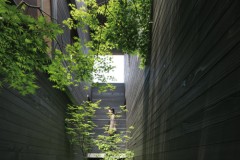
该项目将一处被人忽视的缝隙,转化为充满活力的场所,供人们交流与沉思。
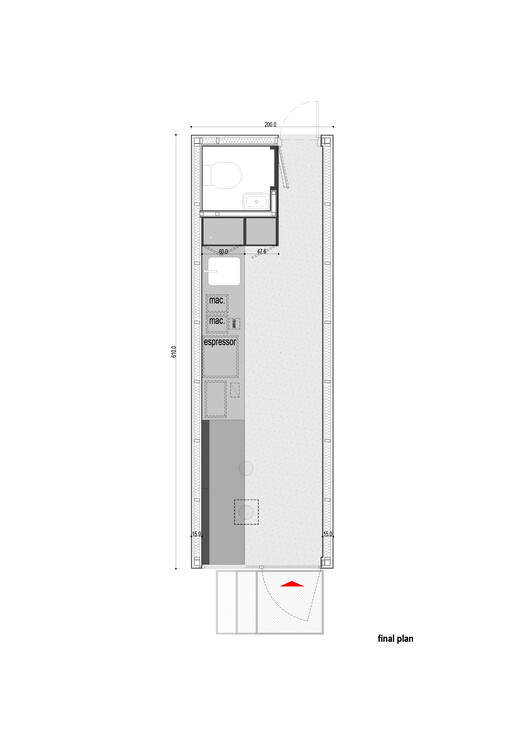
平面图
The journey of the design team began on an extremely narrow remaining plot of land on Bazilescu Street. The design team gladly accepted the existing limitations of the site and conducted in-depth analysis and further design on the site:
设计团队的旅程始于巴济列斯库街(Bazilescu Street)上一块极为狭窄的剩余地块。设计团队欣然接受了场地现有的限制,并就场地进行了深入的分析以及进一步的设计:
© Vlad Patru
© Vlad Patru
1. Site analysis and micro contextualization: We have conducted meticulous measurements and observations of microclimate, lighting, and pedestrian flow patterns as a basis for decision-making.. 2. Container of Light: The design revolves around two main functions: blending the cold hardening of concrete and introducing natural light.. The sharp triangular shape maximizes the expansion of spatial volume and visual tension. 3. Materials and Construction Techniques: We use lightweight and precise steel structure frames for quick construction.. High performance three glass low emissivity glass dominates the exterior facade, maximizing transparency and creating a prism like visual effect. The interior is decorated with light colored wood, creating a warm and peaceful atmosphere of a monastery. 4. Off site prefabrication: Most of the components of the structure are prefabricated off-site, ensuring fast assembly, minimizing construction interference, and reducing waste in a compact urban environment..
1. 场地分析与微观语境化:我们对微气候、光线及人流走向进行了细致入微的测量与观察,以此作为决策依据。2. 光之容器:设计围绕两大功能展开:调和混凝土的冷硬,并引入自然光。锐利的三角形造型最大化地拓展了空间体量与视觉张力。3. 材质与建造工艺:我们选用轻巧精准的钢结构框架,便于快速搭建。高性能三玻低辐射玻璃主导了外立面,最大化提升透明度,营造出棱镜般的视觉效果。室内则采用浅色木材饰面,营造出温暖而静谧的修道院氛围。4. 场外预制:结构的大部分组件在场外预制,确保在紧凑的城市环境中实现快速组装、最小化施工干扰并减少废弃物。
© Vlad Patru
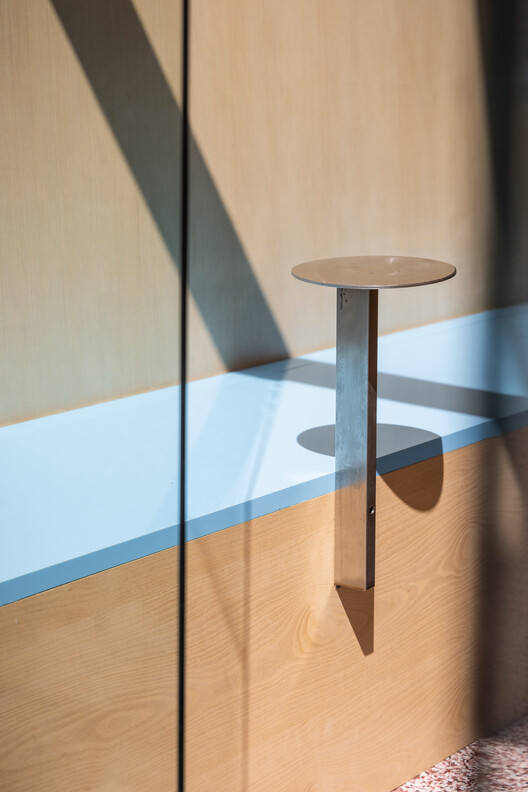
The design of the small church caf é showcases the economic and emotional impact of form at an extremely small scale:The triangular apex: Its towering acute triangle shape maximizes the expansion of the interior space, creating a stunning sense of height that contrasts sharply with its narrow base. Glass curtain wall: Almost completely wrapped in glass, it is like a transparent lens, blurring the boundaries between indoors and outdoors, and turning into a dazzling lantern at night.. Intimate interior space: Despite occupying a small area, the interior feels exceptionally spacious thanks to the high ceiling height and ample lighting.. The warm wooden veneer creates a peaceful and pleasant atmosphere, suitable for focused communication, contemplation, or carefully planned activities. Connected with nature: Adjacent towering trees become an indispensable element, providing natural shelter and adding a peaceful atmosphere.. Light and Shadow Art: Nighttime lighting transforms buildings into dazzling lighthouses, becoming a powerful light and shadow installation in the city at night..
小教堂咖啡屋的设计,在极小尺度内展现了形式的经济性与情感的震撼力:三角形尖顶:其高耸的锐角三角形形态,最大化地拓展了内部空间,营造出一种令人惊叹的高度感,与其狭窄的基底形成鲜明对比。玻璃幕墙:几乎完全被玻璃包裹,它如同一面透明镜片,模糊了室内外界限,夜晚则化身为璀璨灯笼。亲密无间的内部空间:尽管占地面积小,但得益于天花板高度与充足的光线,室内感觉异常宽敞。温暖的木质饰面营造出宁静宜人的氛围,适合专注交流、沉思冥想或精心策划的活动。与自然相连:邻近的参天大树成为不可或缺的元素,提供天然遮蔽,增添宁静氛围。光影艺术:夜间照明将建筑转化为光芒四射的灯塔,成为夜幕下城市中的一件强力光影装置。
© Vlad Patru
© Vlad Patru
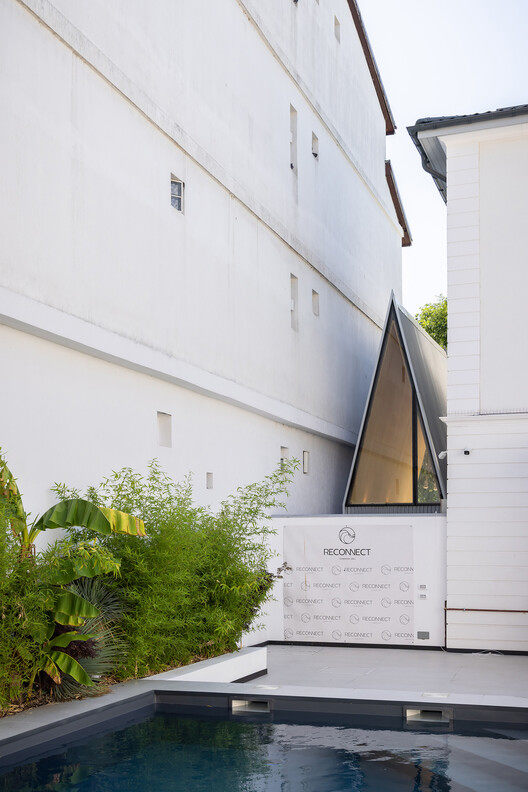
The uniqueness of the small church caf é directly stems from the challenges it faced, which ultimately led to its iconic feature:Extremely narrow: This major limitation forced us to seek radical solutions in structure, access, and layout, breaking through the boundaries of conventional buildable land.. Environmental sensitivity: The design humbly integrates and engages in dialogue with the existing facade and natural environment, making it both novel and as if it already belongs here.. The ultimate utilization of light and space: It successfully introduces and amplifies natural light, transforming potentially oppressive narrow spaces into transparent and pleasant places. Customizable intimacy: Its small size nurtures an inner intimate atmosphere, defines its charm, and attracts people to experience personalized feelings..
小教堂咖啡屋的独特性,直接源自其面临的挑战,而这些挑战最终成就了其标志性特征:极致狭长:这一主要限制迫使我们在结构、通行与布局上寻求激进解决方案,突破了常规可建地块的界限。环境敏感性:设计谦逊融入,与现有立面及自然环境展开对话,使其既新颖又仿佛本就属于这里。光与空间的极致利用:它成功引入并放大自然光,将可能令人压抑的狭长空间转变为通透宜人的场所。可定制的亲密感:其小巧规模孕育了内在的亲密氛围,定义了其魅力,吸引人们前来体验个性化感受。
© Vlad Patru
Conclusion: The small church caf é is far more than just a building; It demonstrates how thoughtful small-scale interventions can have a huge impact, how neglected spaces can be transformed into cherished havens, and how light, form, and function can be integrated.
结语:小教堂咖啡屋远不止是一座建筑;它展示如何通过深思熟虑的小规模干预产生巨大影响,如何将被忽视的空间转变为珍视的避风港,以及光、形式与功能可以如何融合。
© Vlad Patru