Ulanhada Volcano Heatless Universe Grassland Shinjuku, Pole style Mongolian yurt system/Ge'er architecture
乌兰哈达火山無热宇宙草原新宿,杆式蒙古包体系 / 阁尔建筑
项目总体概念与地域融入:项目的核心在于将传统蒙古包的建造智慧与现代建筑需求巧妙结合,创造出一种全新的、适应草原环境的建筑体系。这种“杆式蒙古包”体系不仅保留了蒙古包标志性的穹顶空间,也满足了现代生活对居住空间物理性能的要求。设计团队选择将建筑分散布局,与周围的牧户住房相协调,最大程度地减少了对环境的视觉冲击,同时为游客提供了更亲近自然的体验。项目选址在乌兰哈达火山地质公园内,充分利用了当地的自然景观,将建筑与环境融为一体,体现了设计师对地域文化和自然环境的深刻理解。
杆式蒙古包体系的创新与实践:“杆式蒙古包”体系是该项目的亮点和核心。它不仅仅是对传统蒙古包形式的简单模仿,而是结合现代技术和材料,对传统智慧的创新性转化。该体系实现了建筑的模块化设计,可以根据不同的功能需求进行自由组合和重组,从而创造出多样的弹性空间。在餐饮区的设计中,该体系被用于塑造长方形的公共空间,充分利用了其建造逻辑和装配技术,从而缩短了施工周期,降低了成本,并确保了空间的品质和保温性能。此外,项目还大量采用了当地环保材料,体现了对可持续发展的承诺。
可持续性与文化传承:项目强调了在地自然景观的互动性和体验性,建筑的布局和开窗都与自然环境高度契合。这种设计理念,不仅体现了对当地自然环境的尊重,也为游客提供了独特的体验。项目在原有牧户羊圈的基础上进行改造,赋予了原有建筑新的生命,实现了对文化遗产的保护和传承。在材料的选择上,大量使用环保和可循环利用的材料,也体现了对可持续发展理念的实践。总的来说,该项目致力于打造一个对环境友好、低碳、可持续发展的草原文旅社区,为提升草原旅居环境品质做出了积极的贡献,并在文化传承与创新之间找到了平衡点。
© 窦俞钧
© 窦俞钧
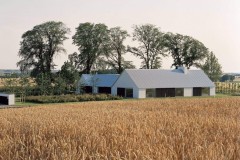
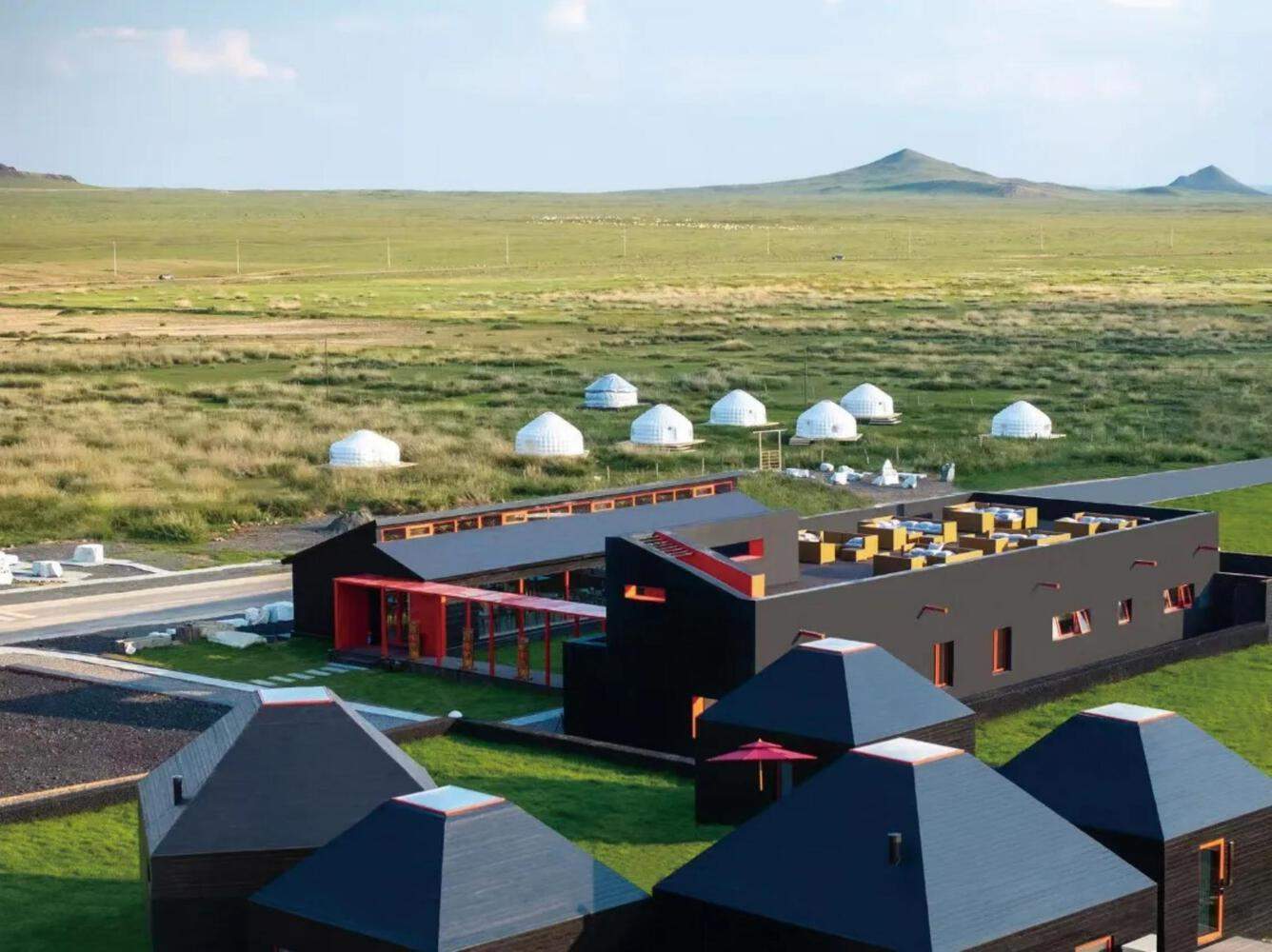
Ulanhada Volcanic Geopark is located in Ulanhada Sumu, Chahar Right Back Banner, Ulanqab City, Inner Mongolia Autonomous Region. The park is home to grassland volcanoes, lava landforms, and barrier lake landscapes, and is known as a natural "volcano museum". It is a highly distinctive natural landscape. The project is located in the herdsmen's housing courtyard on the north side of Ulan Hada Volcano Geopark, consisting of guest rooms, restaurants, cafes, reception centers, and service rooms, providing accommodation, meals, leisure, entertainment and other services for tourists.
乌兰哈达火山地质公园位于内蒙古自治区乌兰察布市察哈尔右翼后旗乌兰哈达苏木境内。公园内集聚了草原火山群、熔岩地貌及堰塞湖景观等,被誉为天然的“火山博物馆”,是一处极具特色的自然景观。项目位于乌兰哈达火山地质公园北侧牧民住房院内,由客房、餐厅、咖啡厅、接待中心及服务用房组成,为游客提供住宿、餐食、休闲、娱乐等服务。
© 窦俞钧
© 窦俞钧
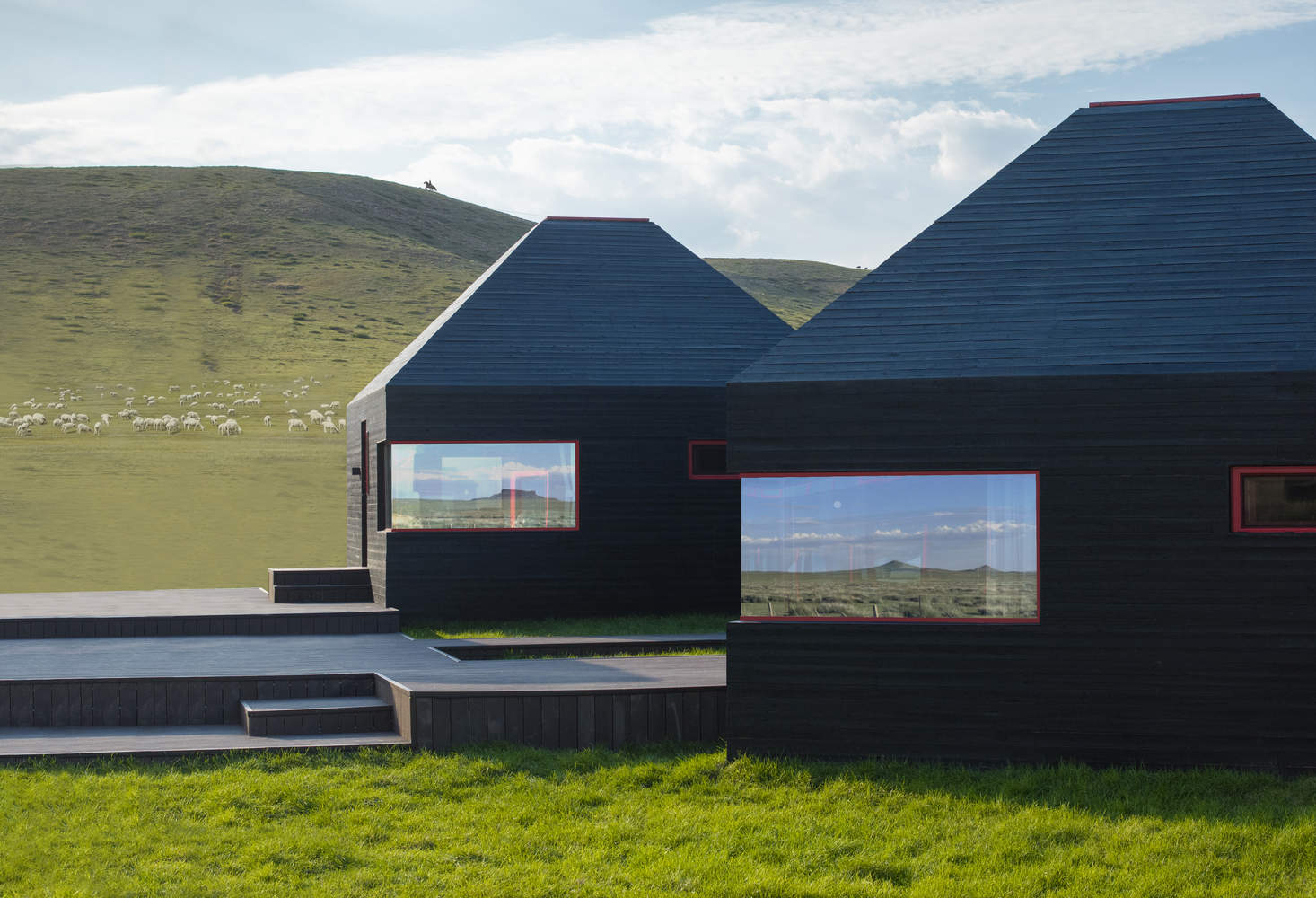
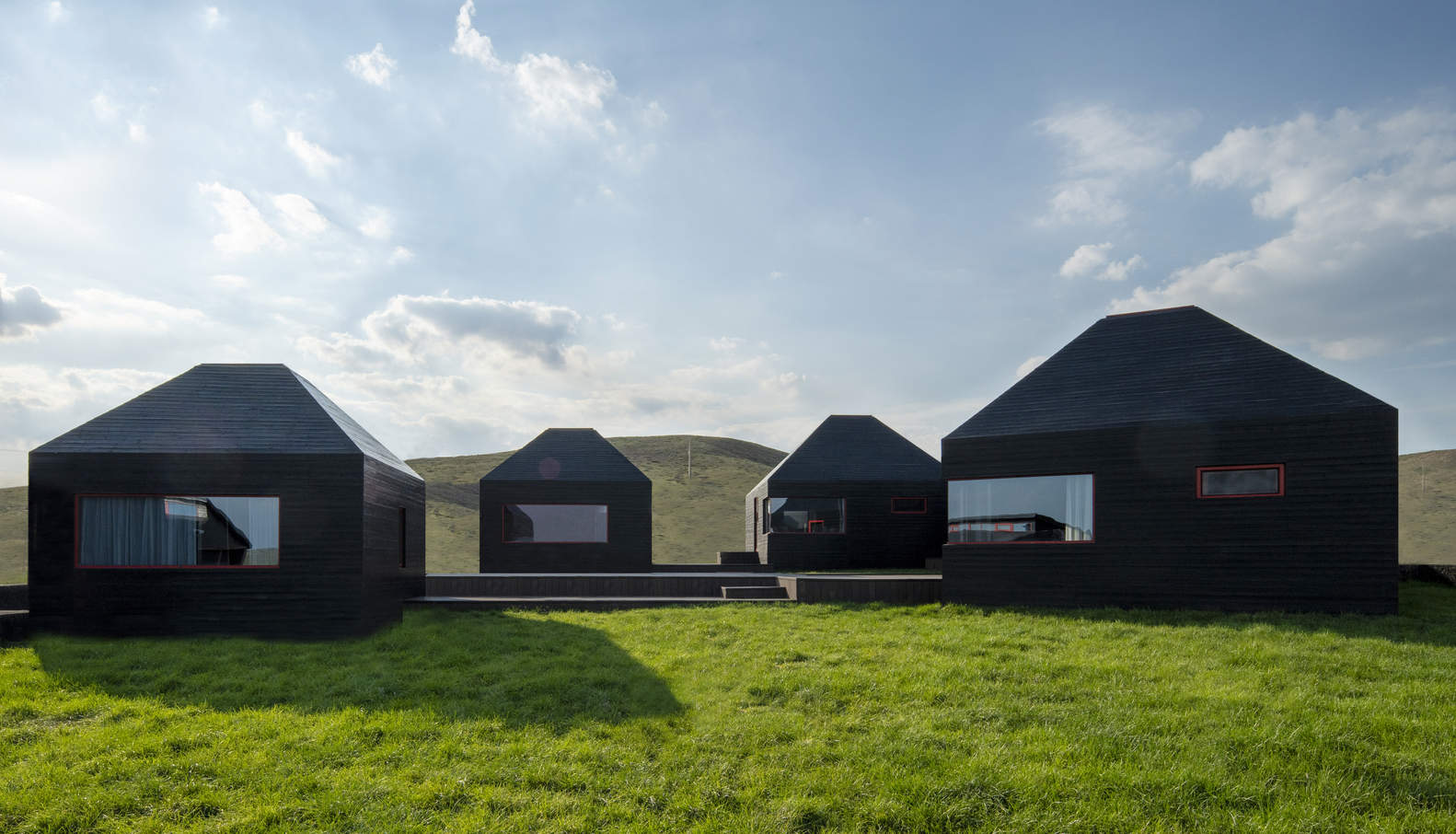
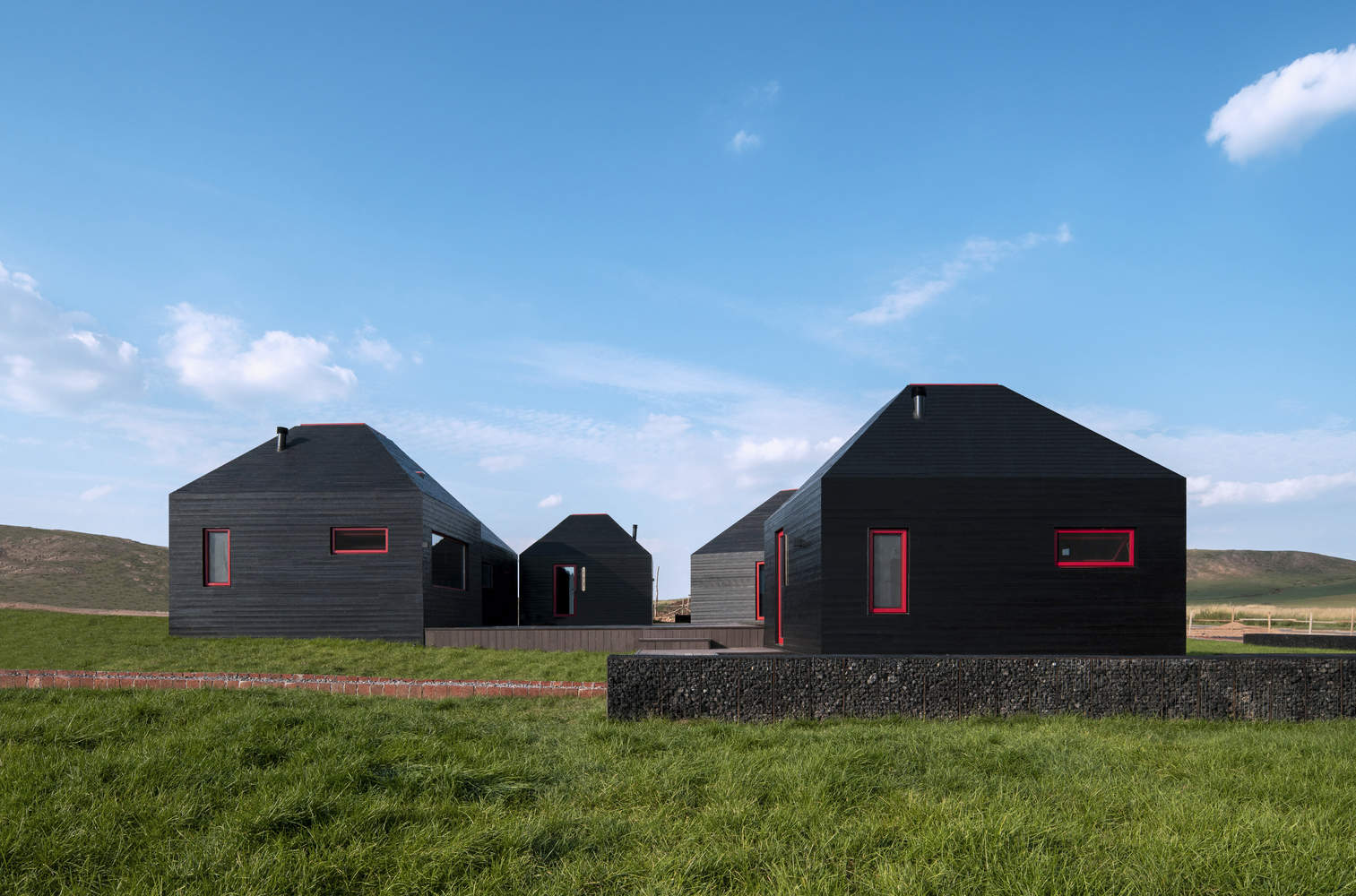
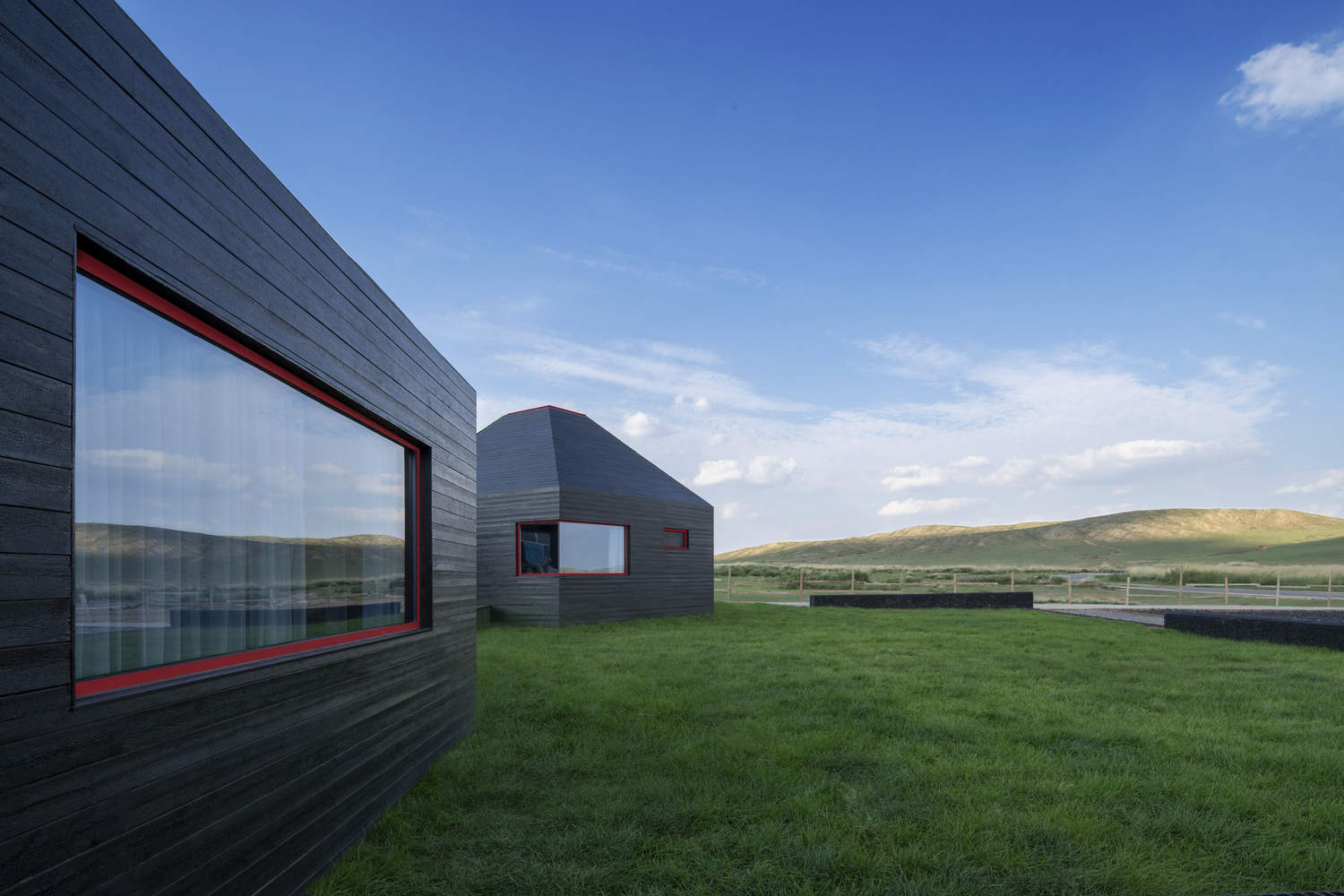
The building adopts a decentralized layout, which is divided into seven buildings, five accommodation buildings, one catering building, and one reception center building, effectively reducing the volume, maintaining coordination with the herdsmen's housing, and increasing opportunities for tourists to experience nature.
建筑采用分散式布局方式,整体打散为七栋,住宿五栋,餐饮一栋,接待中心一栋,有效减弱了体量,保持与牧户住房的协调性,同时增加了游客体验自然的机会。
© 窦俞钧
© 窦俞钧
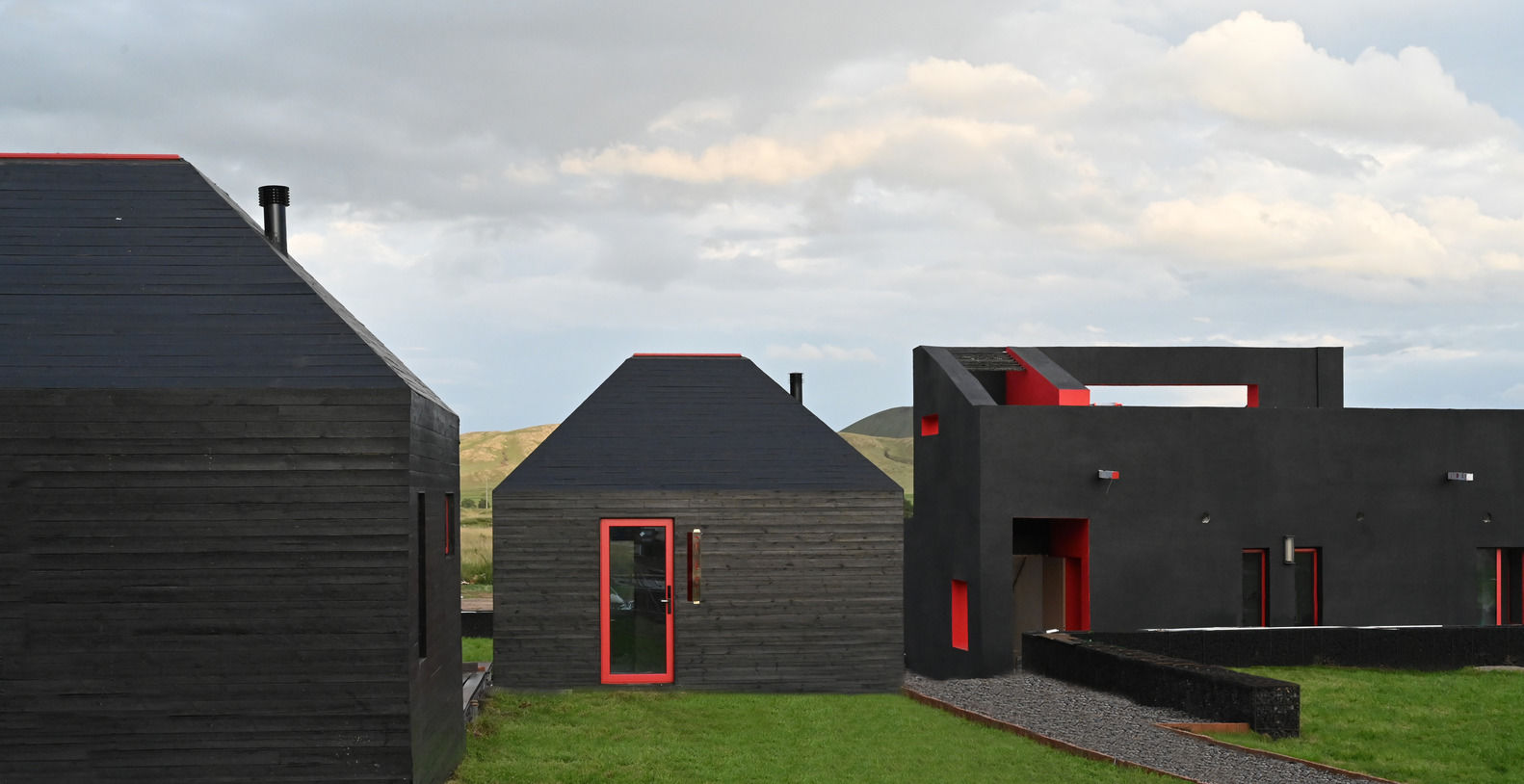
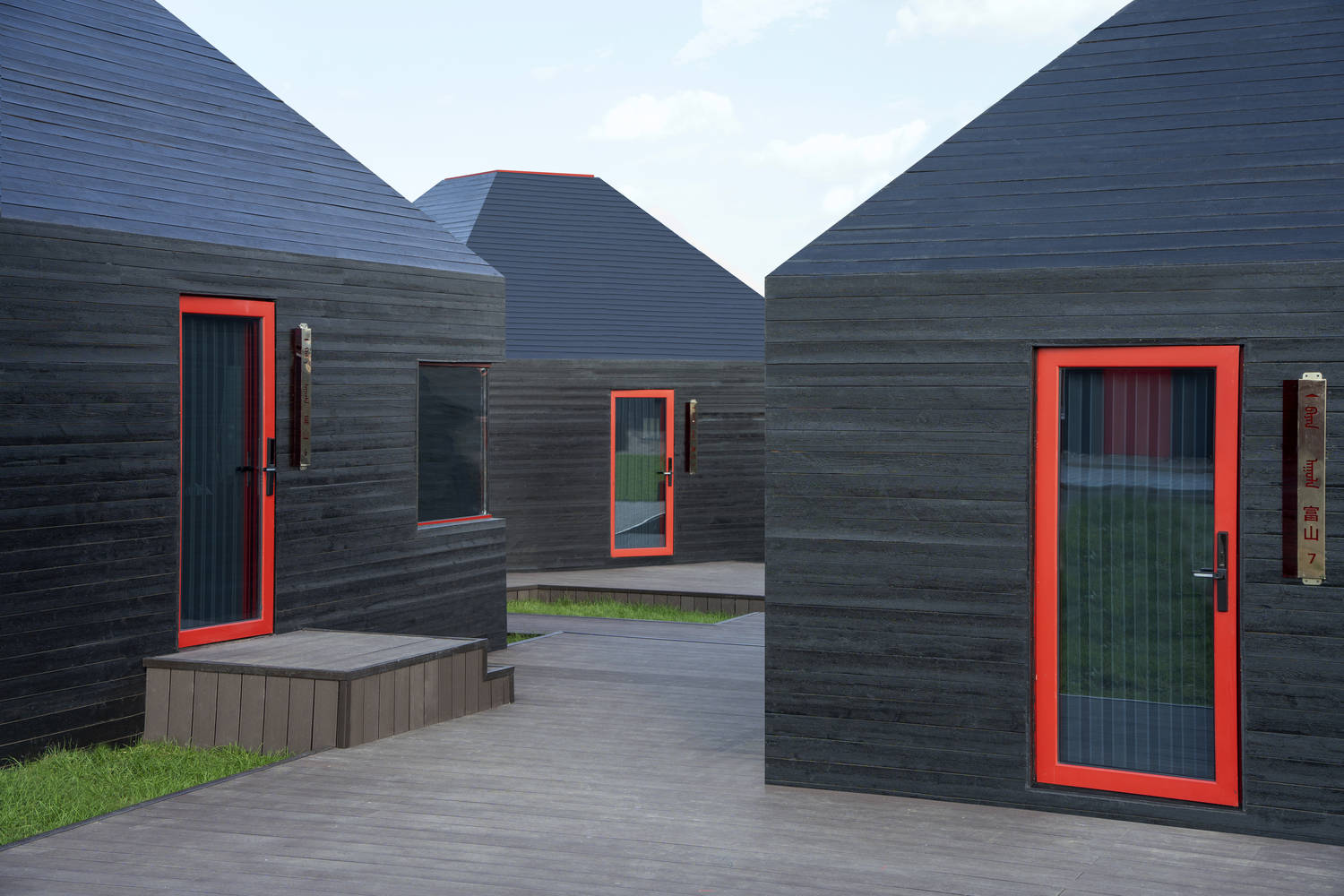
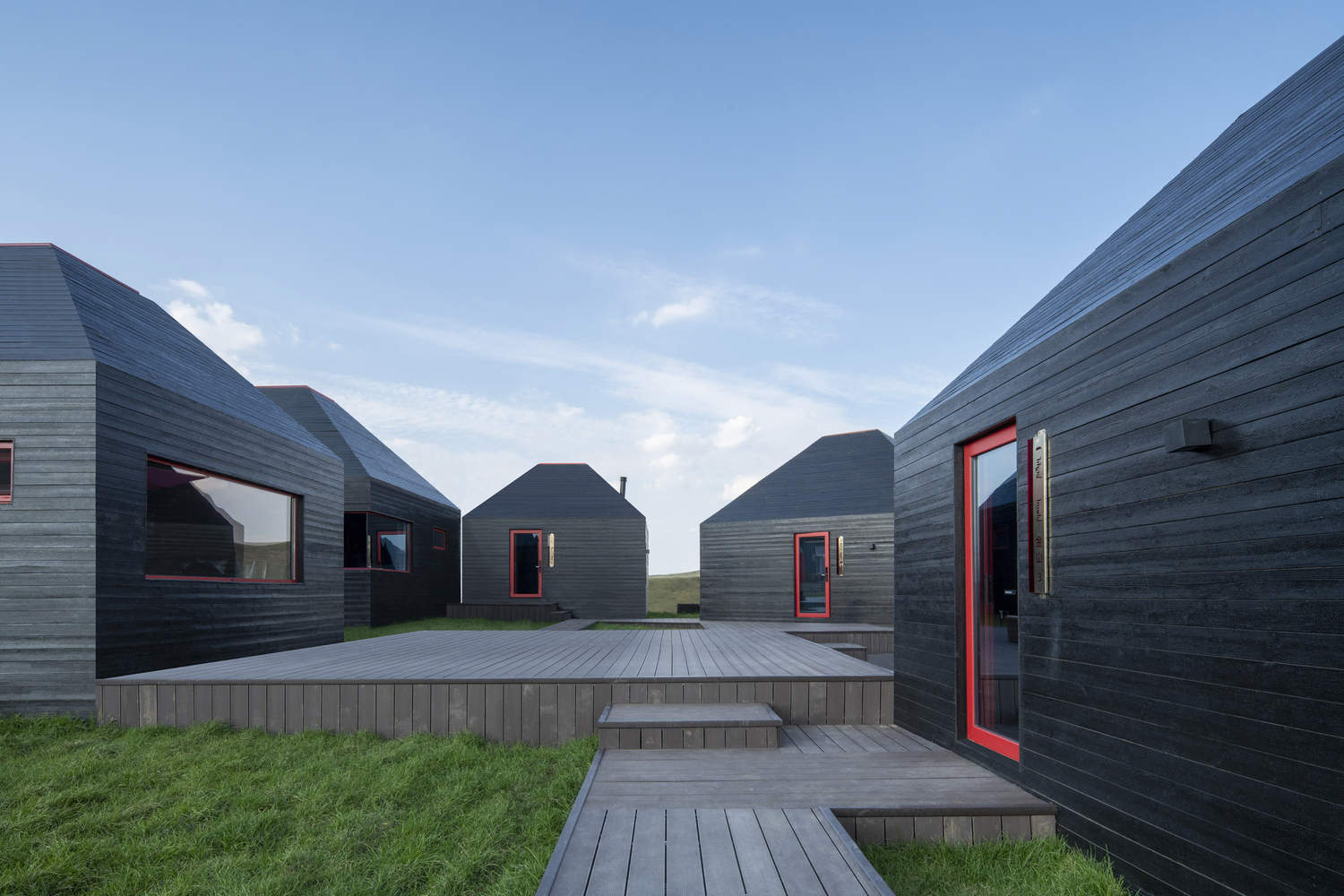
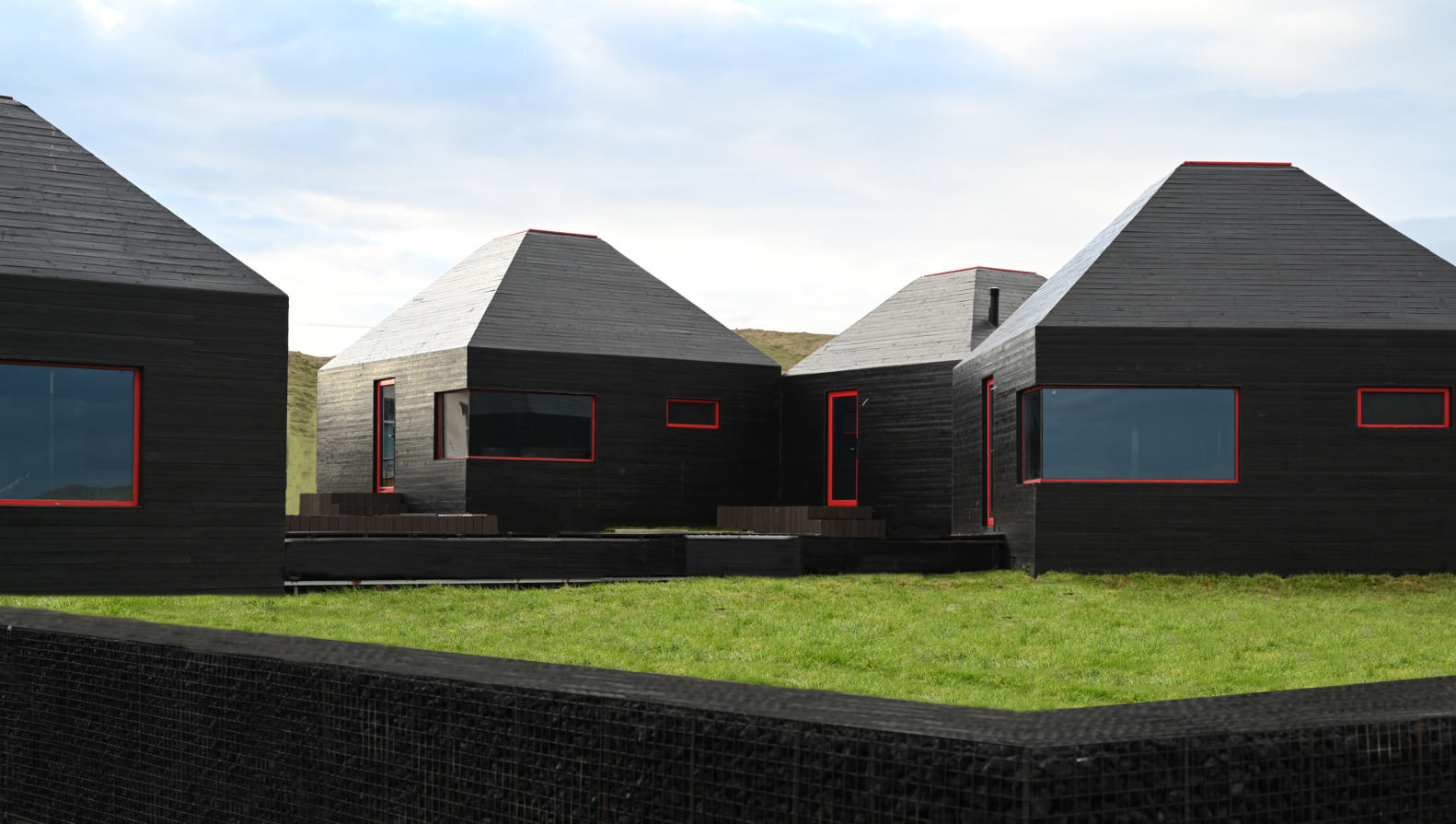
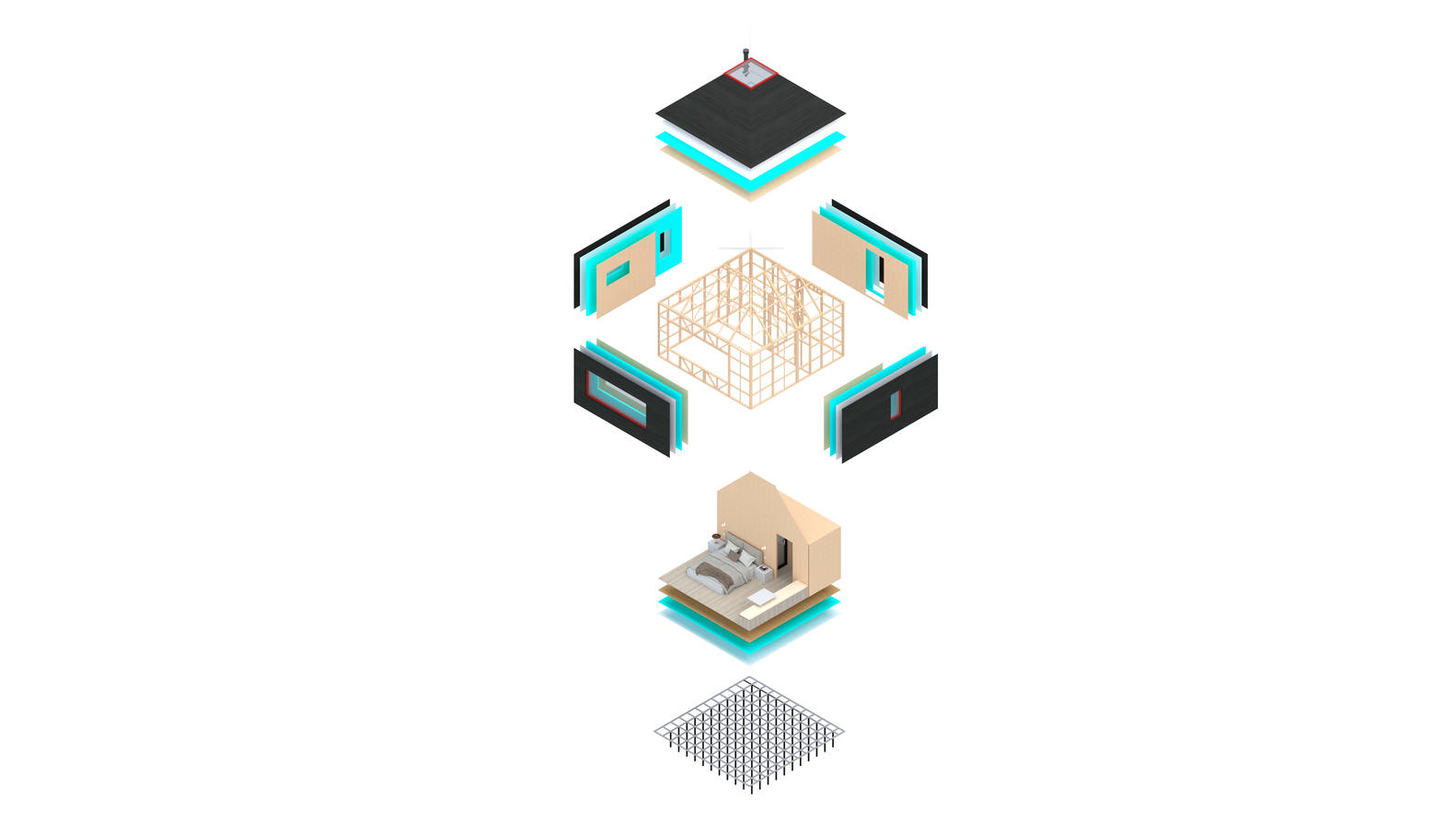
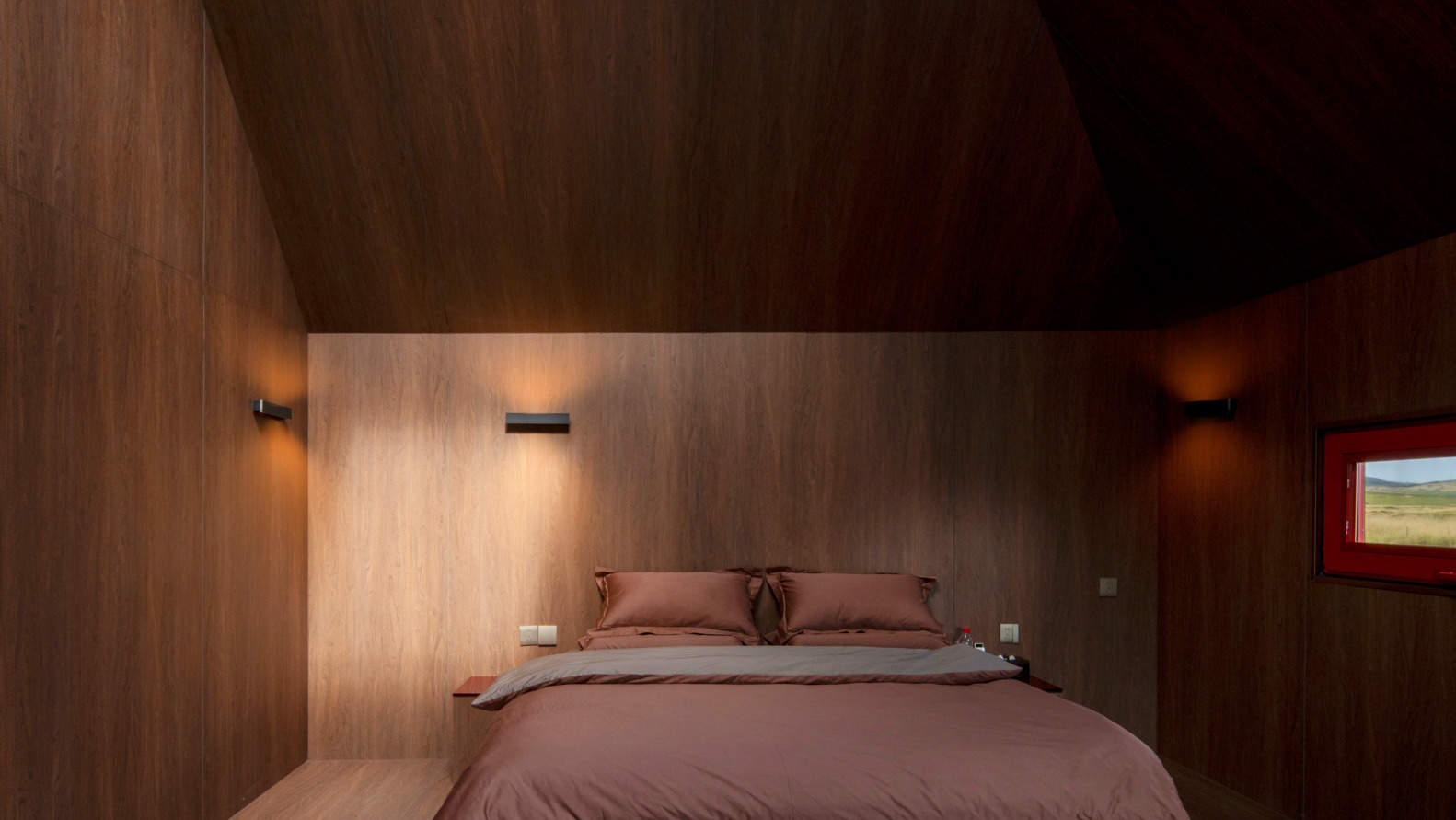
Accommodation area - Residential space derived from pole style yurts: Drawing on the construction wisdom of traditional yurts, combined with the modern needs and local resources of grassland cultural tourism, a green building system suitable for grassland cultural tourism - pole style yurts has been designed and developed. This system has the dome space characteristics of traditional yurts and also meets the physical properties of modern living spaces. At the same time, it can be freely combined and reorganized into various elastic spaces according to different needs.
住宿区——杆式蒙古包衍生的居住空间:提炼传统蒙古包的建造智慧,结合草原文旅的现代需求和在地资源,设计研发了适用于草原文旅的绿色建筑体系——杆式蒙古包。该体系有传统蒙古包的穹顶空间特性,也满足了现代生活空间的物理性能,同时根据不同的需求自由组合、重组出多样的弹性空间。
© 窦俞钧
In the design, emphasis is placed on the interactivity and experiential nature of the local natural landscape. The layout and windows of the building are highly matched with the natural environment, and a door and window system that conforms to the structural modulus is adopted to meet the optimal modulus adaptation of the structure, components, and materials. Systematically solving the problems of cultural inheritance and quality improvement of grassland architecture, and improving the living environment of grasslands.
设计中注重在地自然景观的互动性和体验性,建筑的布局、开窗与自然环境高度匹配,同时采用符合结构模数的门窗体系等,满足了结构、构件、材料的最优模数适配。体系系统地解决了草原建筑的文化传承、品质提升等问题,改善草原旅居环境。
© 窦俞钧
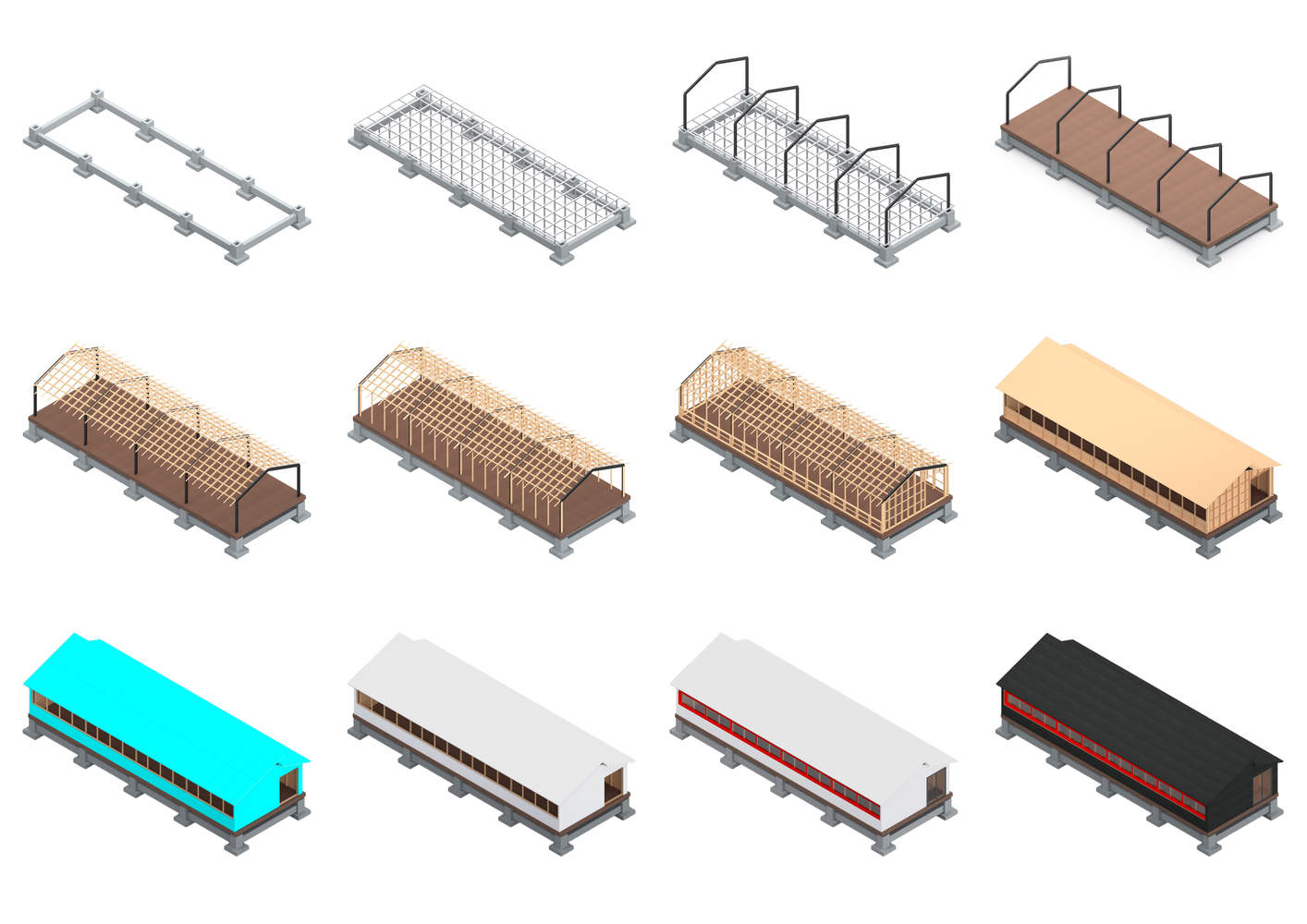
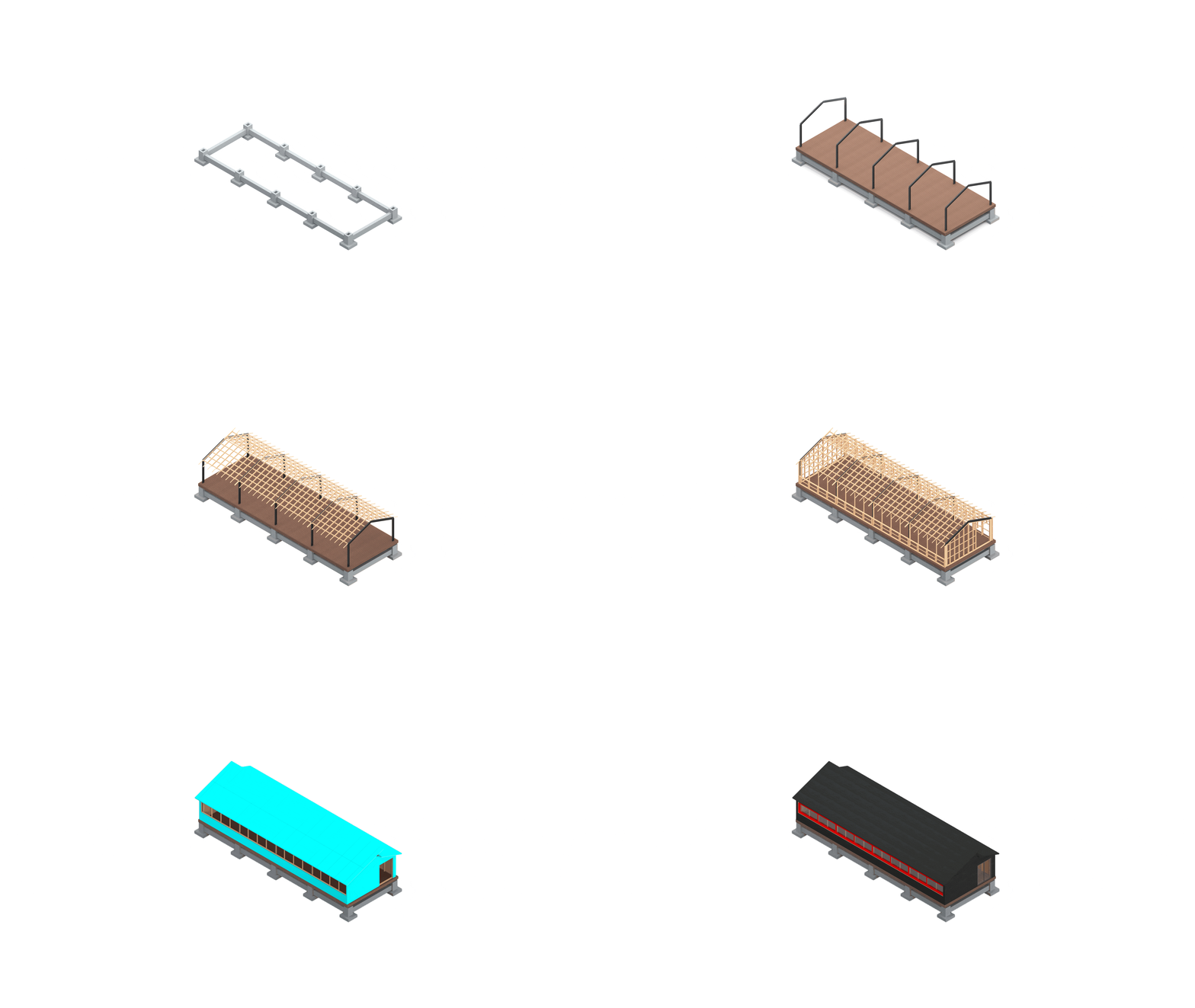
餐厅建造过程图
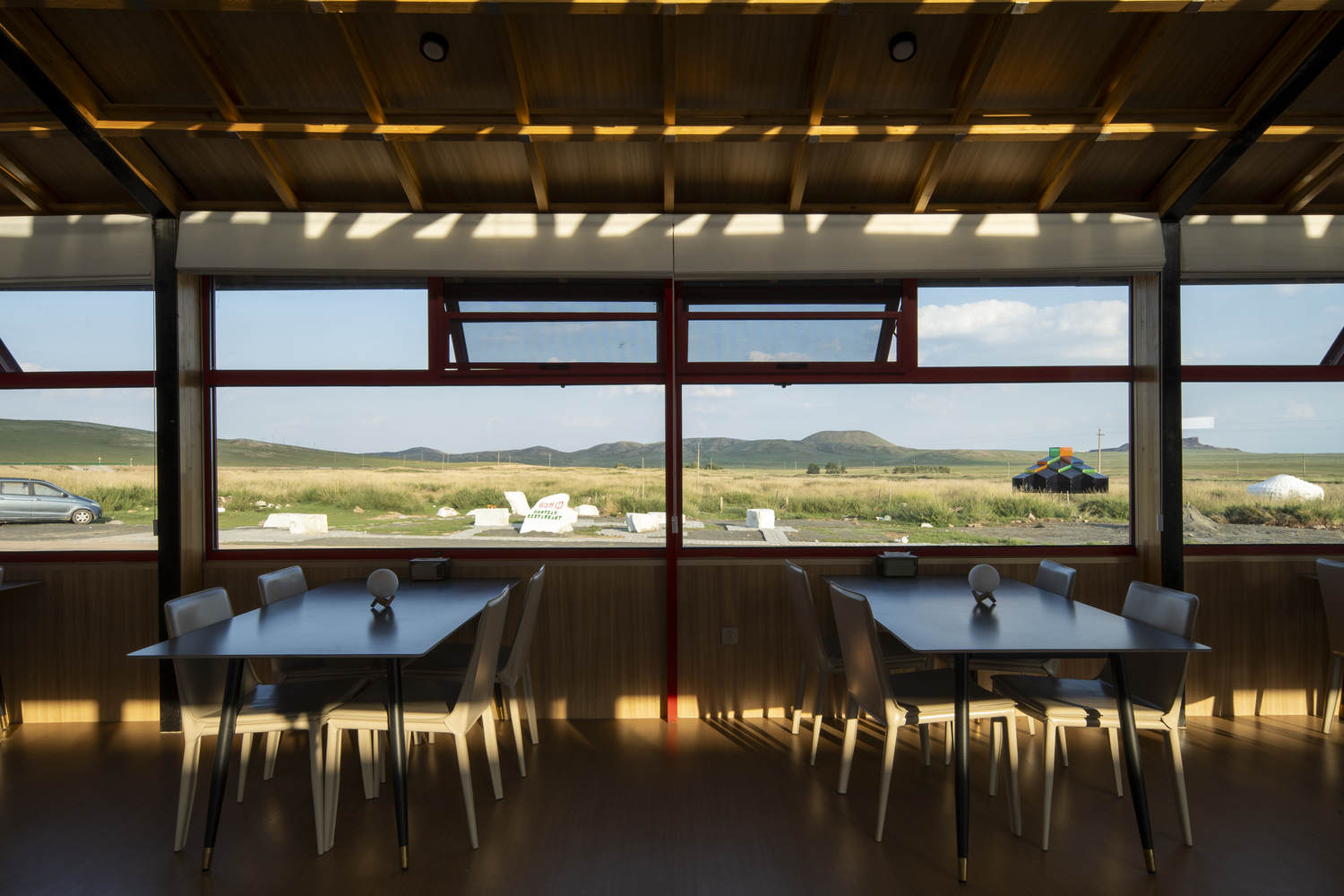
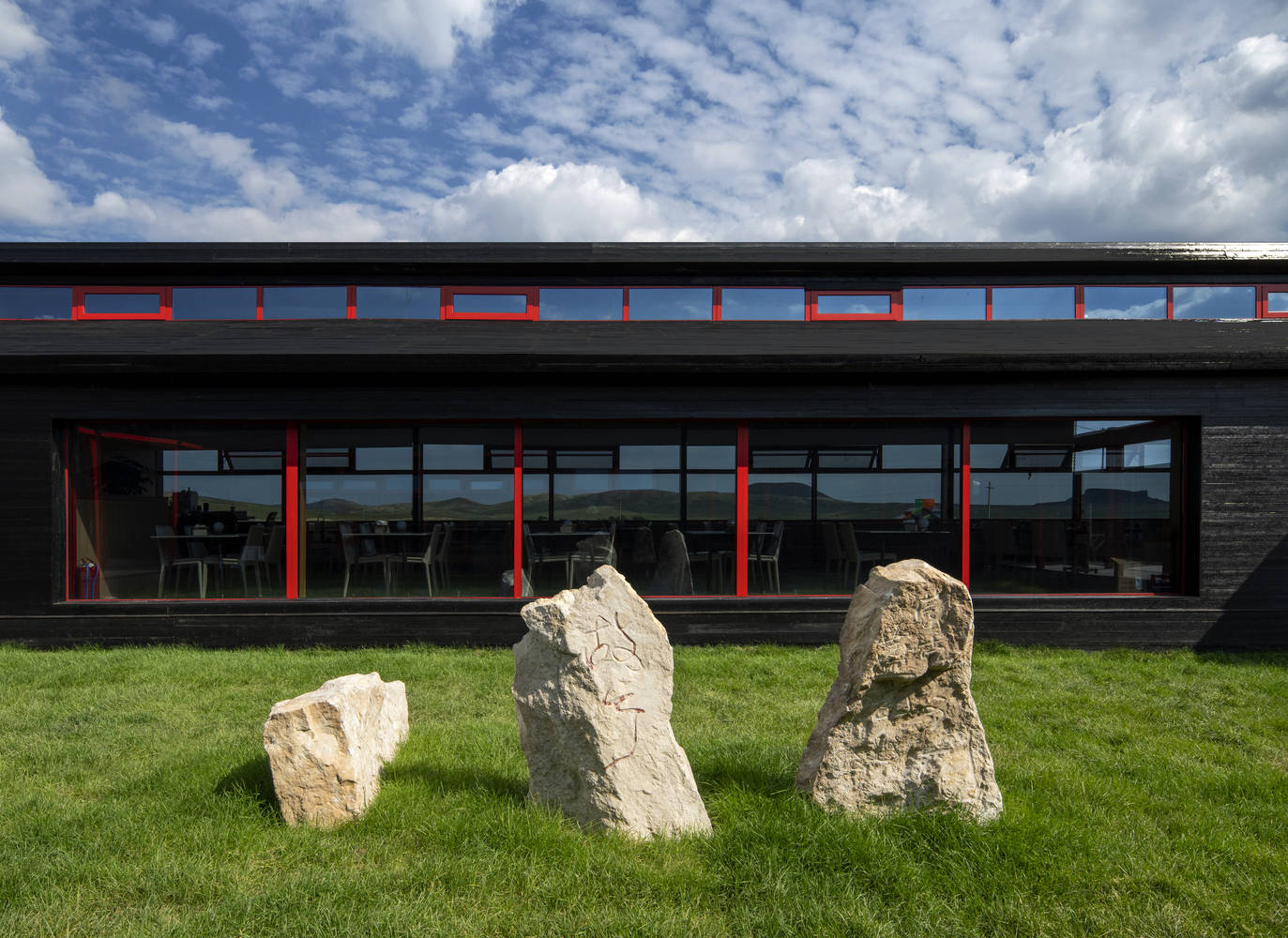
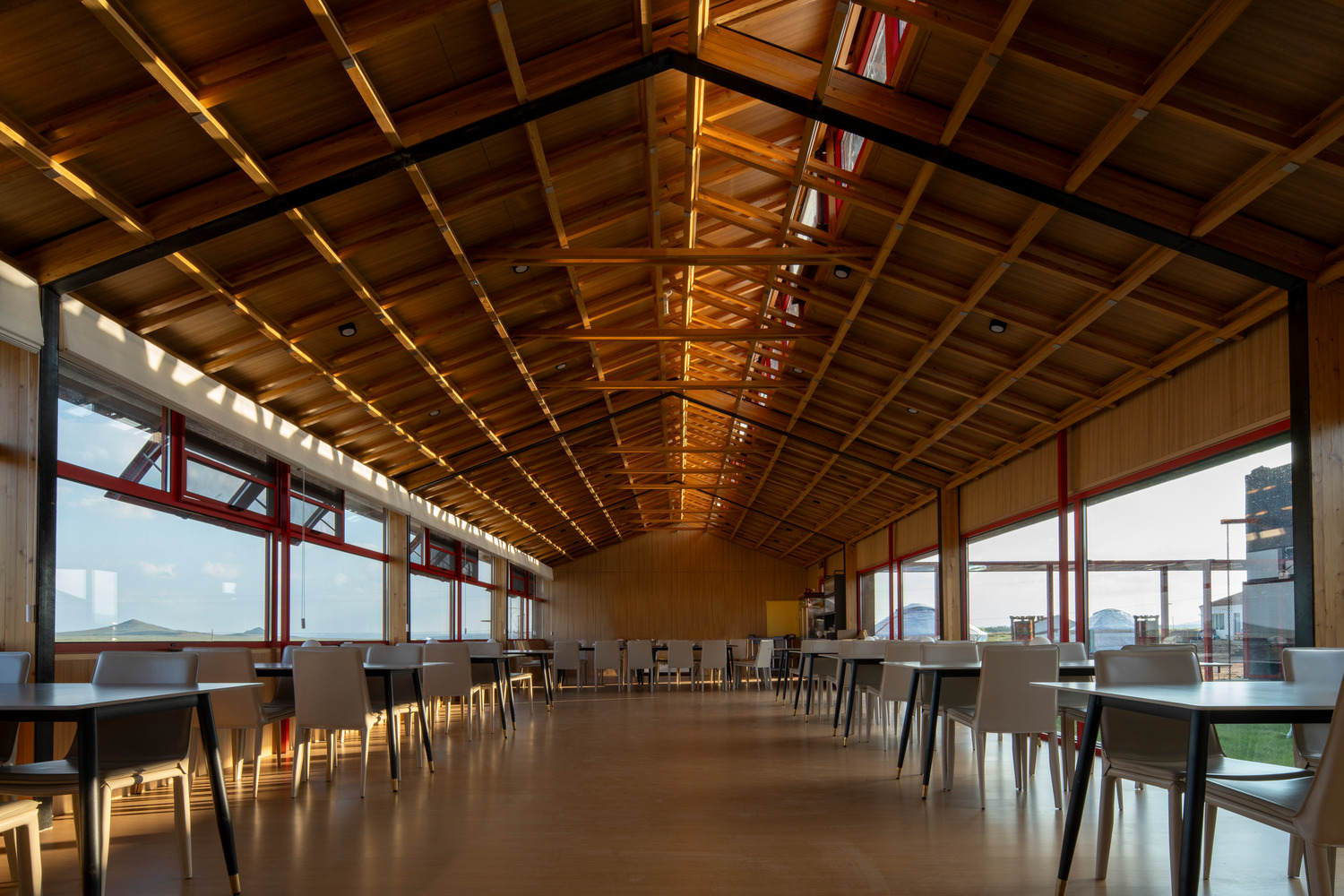
Catering area - public space derived from pole style yurts: The project effectively utilizes the construction logic and appropriate assembly techniques of the pole style yurt system to shape rectangular public spaces. In order to cope with climate characteristics, a cross sloping roof with high side windows is adopted to ensure ventilation, drainage, and snow removal functions. The material selection includes locally environmentally friendly materials such as integrated wood, burnt wood, volcanic stone, and recyclable materials, which reduce energy consumption, lower building material costs, and transportation costs. Suitable assembly techniques shorten the construction period, reduce construction costs, while ensuring space quality and insulation performance, and improving the energy utilization efficiency of buildings.
餐饮区——杆式蒙古包衍生的公共空间:项目有效地利用杆式蒙古包体系的建造逻辑与装配适宜技术,塑造了长方形的公共空间。为了应对气候特征,采用交叉双坡屋顶,设置高侧窗,确保了通风、排水、排雪的功能。材料选用集成木和火烧木、火山石等在地环保材料和可循环利用材料,减少了能源消耗,降低了建筑材料成本和运输成本。装配适宜技术缩短施工周期,降低施工成本,同时确保了空间品质和保温隔热性能,提高建筑的能源利用效率。
© 窦俞钧
© 窦俞钧
Reception area - service space for the original sheep pen renovation: The sheep pen of the original herder has been renovated, retaining its original layout and volume, reinforcing the structure, and adding insulation, heating, etc., improving the physical performance and quality of the house, providing reception, kitchen, bathroom and other functions for the entire homestay area.
接待区——原有羊圈改造的服务空间:原有牧户的羊圈进行改造,保留了原有的布局和体量,加固结构并增设了保温、供暖等,提升了房屋的物理性能与品质,为整个民宿区提供接待、厨房、卫浴等服用功能。
© 窦俞钧
住宿区爆炸图
© 窦俞钧
Design and develop a new architectural system that is suitable for local culture, natural environment, and contemporary needs, striving to achieve an environmentally friendly, low-carbon, and sustainable grassland cultural and tourism community, and improve the quality of grassland living environment.
设计研发出适宜在地文化、自然环境、当代需求的新型建筑体系,力争实现对环境友好、低碳、可持续发展的草原文旅社区,提高草原旅居环境品质。
© 窦俞钧