Xiquan Healing Center
禧泉疗愈中心
/ 松涛建筑设计事务所
© 金伟琦
© 金伟琦
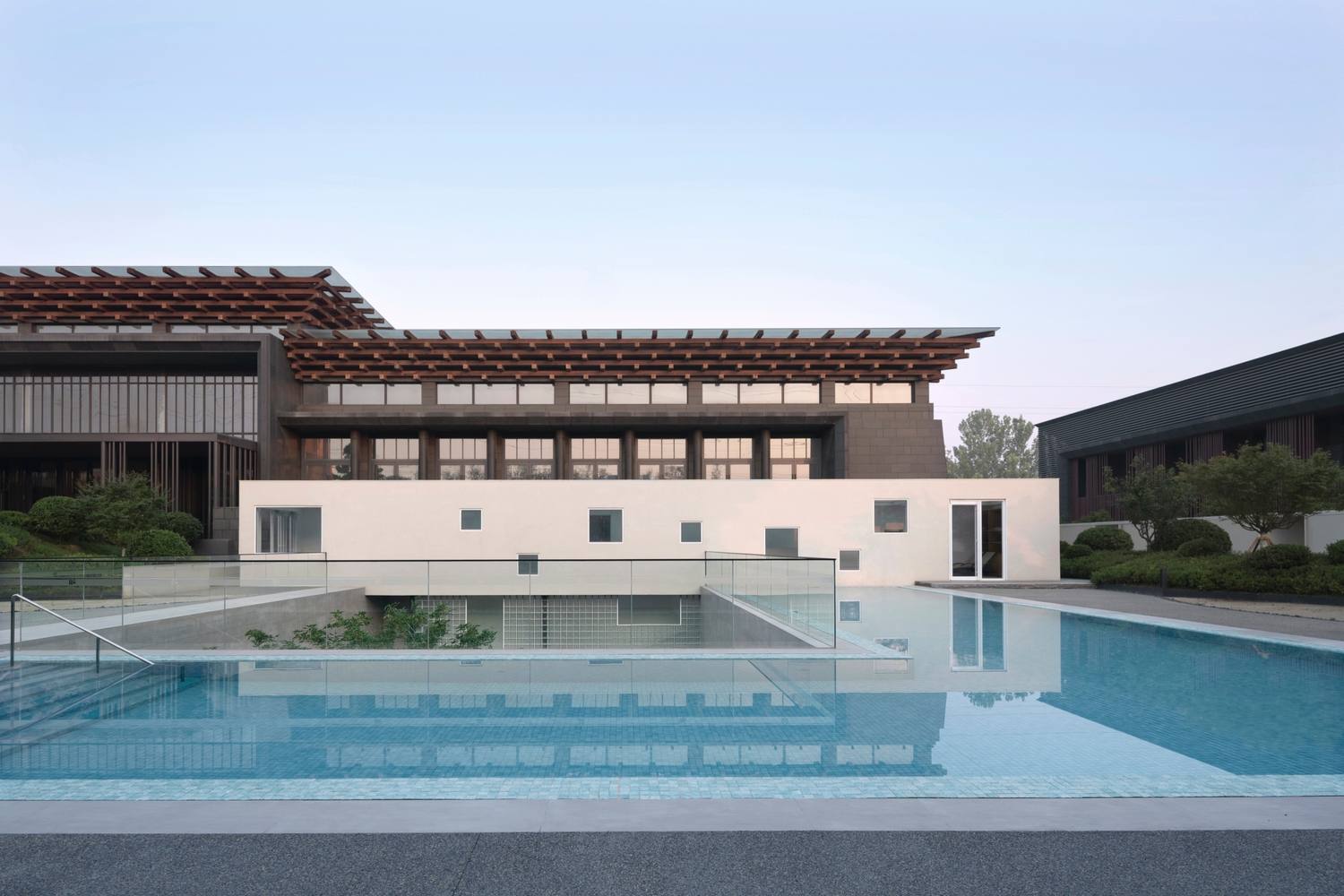
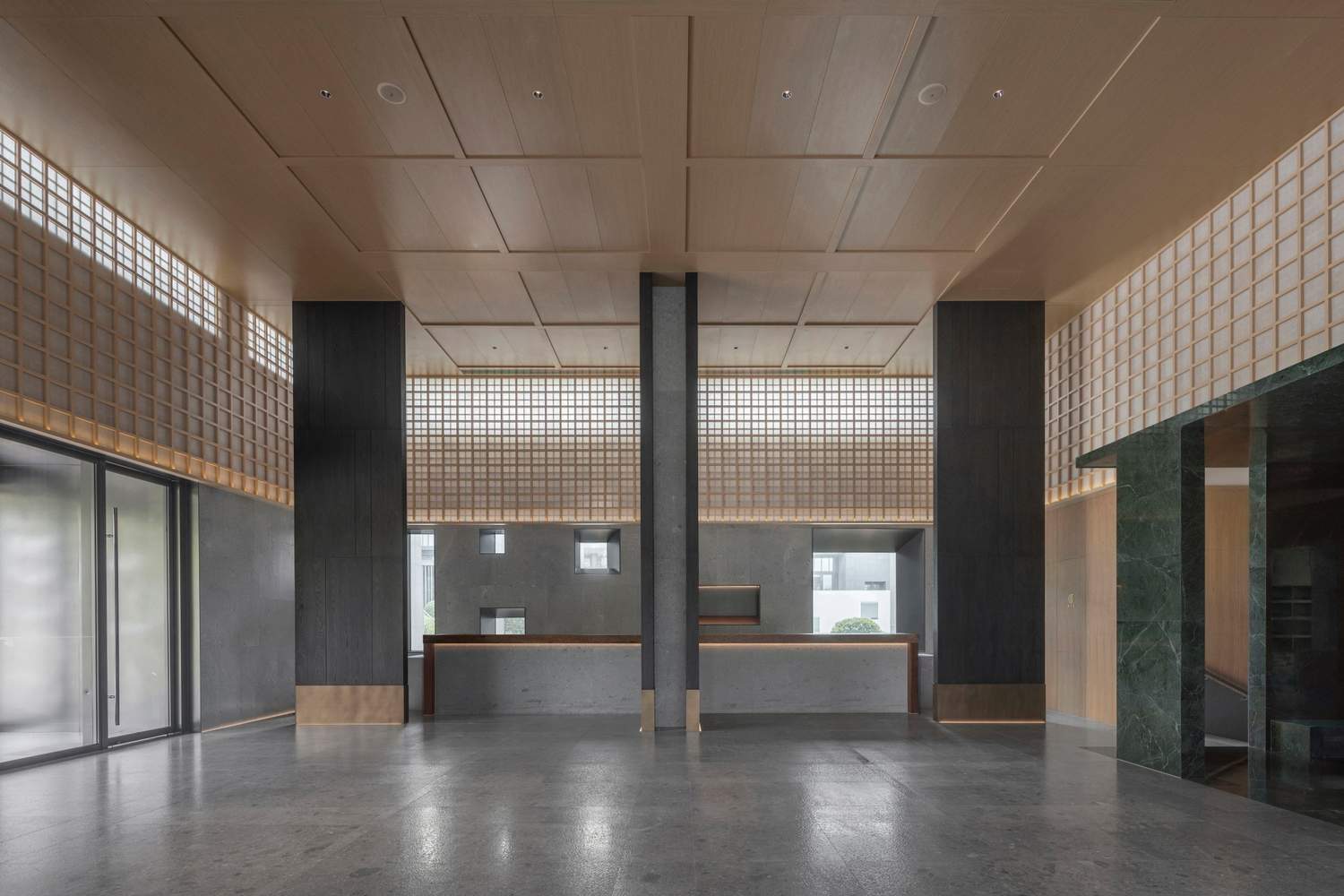
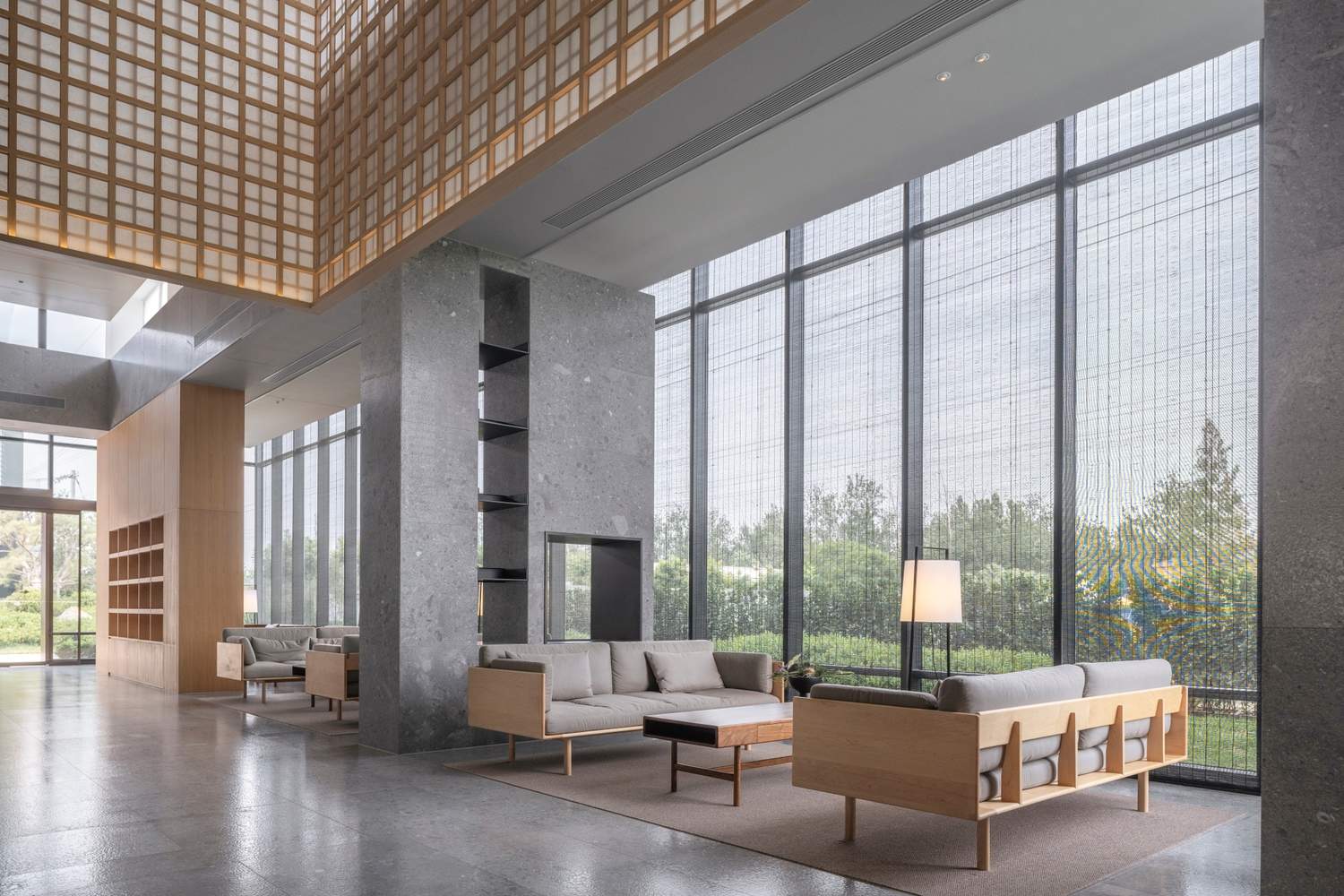
The Joyous Spring Healing Center, hosted by Soong Lab Songtao Architectural Design Firm, is located outside the Fifth Ring Road in Beijing and covers an area of approximately 8200 square meters. As a practice of adaptive reuse design, the project uses "water" as a medium, and through the transformation of the structure, reconstruction of the internal space, and introduction of the functional system, continues the life trajectory of the original idle building and endows it with new usage functions and spatial meanings - a collection of hot springs, therapy SPA、 A comprehensive urban health and wellness experience space that combines food, vacation, and accommodation.
由 Soong Lab 松涛建筑设计事务所主持完成的禧泉 Joyous Spring 疗愈中心,坐落于北京五环外,占地约 8200㎡。作为一次适应性再利用设计的实践,项目以“水”为媒介,通过对结构的改造、内部空间的重构,以及功能体系的引入,延续了原有闲置建筑的生命轨迹,并赋予其新的使用功能与空间意义 —— 一个集汤泉、理疗、SPA、美食、度假住宿等于一体的综合性都市康养体验空间。
© 金伟琦
© 金伟琦
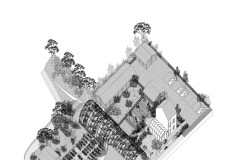
设计以场地中央一处地下空间的屋顶(原建筑室内泳池区的玻璃双坡屋面)为切入点。拆除原屋顶,成为场地激活的起点。
© 金伟琦
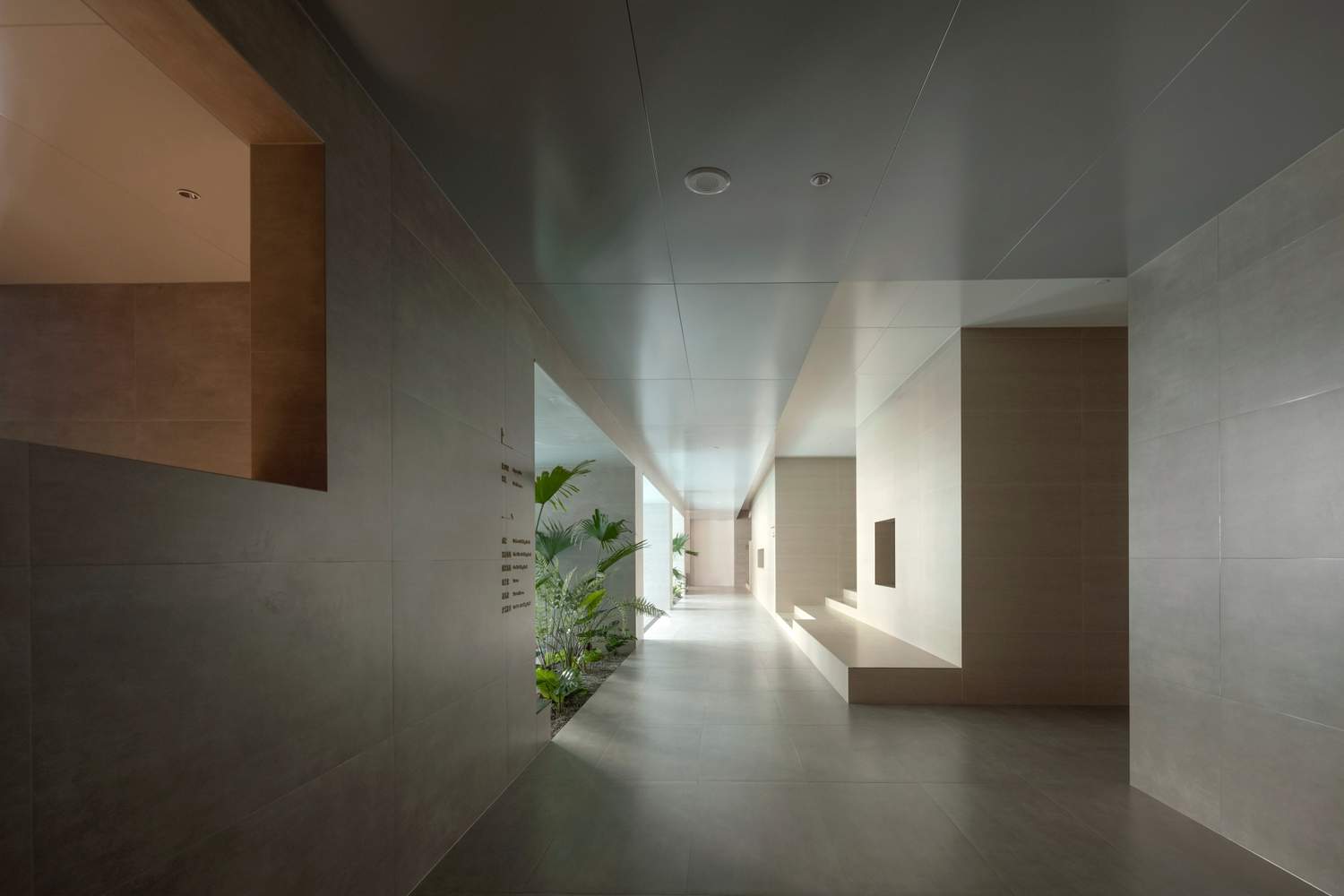
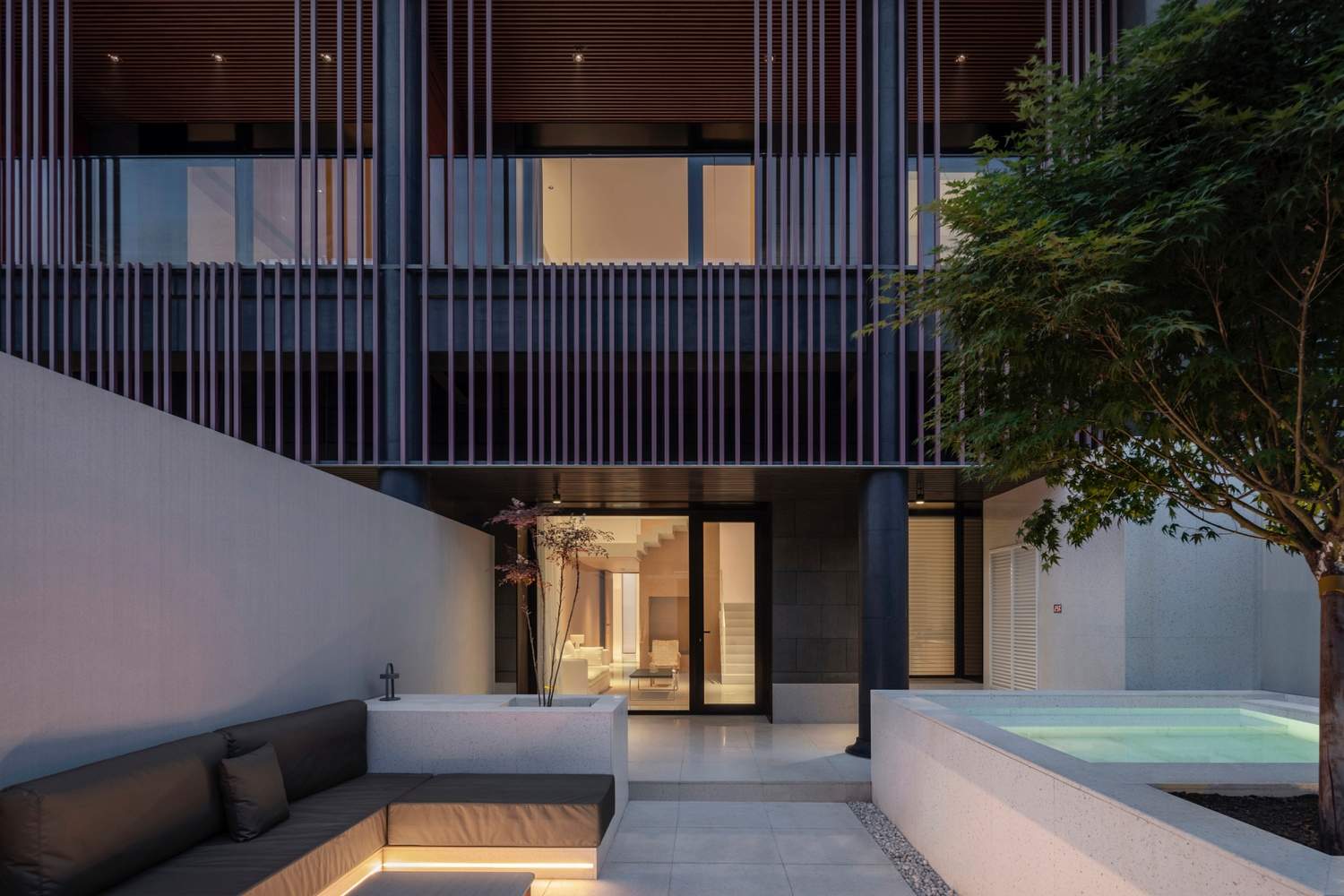
As a result, architectural relationships are redefined, spaces open upwards and engage in direct dialogue with the outside world; At the same time, it has triggered a series of functional and experiential reconstructions: outdoor landscape courtyards, indoor hot spring pools with different sensations, transportation corridors connecting the inside and outside, and outdoor swimming pool areas that can carry activities. The 'disappearance' of the roof not only reshapes the state of the building, but also creates a container embedded underground, carrying 'nature and light'.
由此,建筑关系被重新定义,空间向上打开,与外界产生直接对话;同时引发了一系列功能与体验的重构:户外景观庭院、不同感受的室内温泉泡池、连接内外的交通景廊,以及可承载活动的户外泳池区。屋顶的“消失”不仅重塑了建筑的状态,也创造出一处嵌入地下的,承载着“自然与光”的容器。
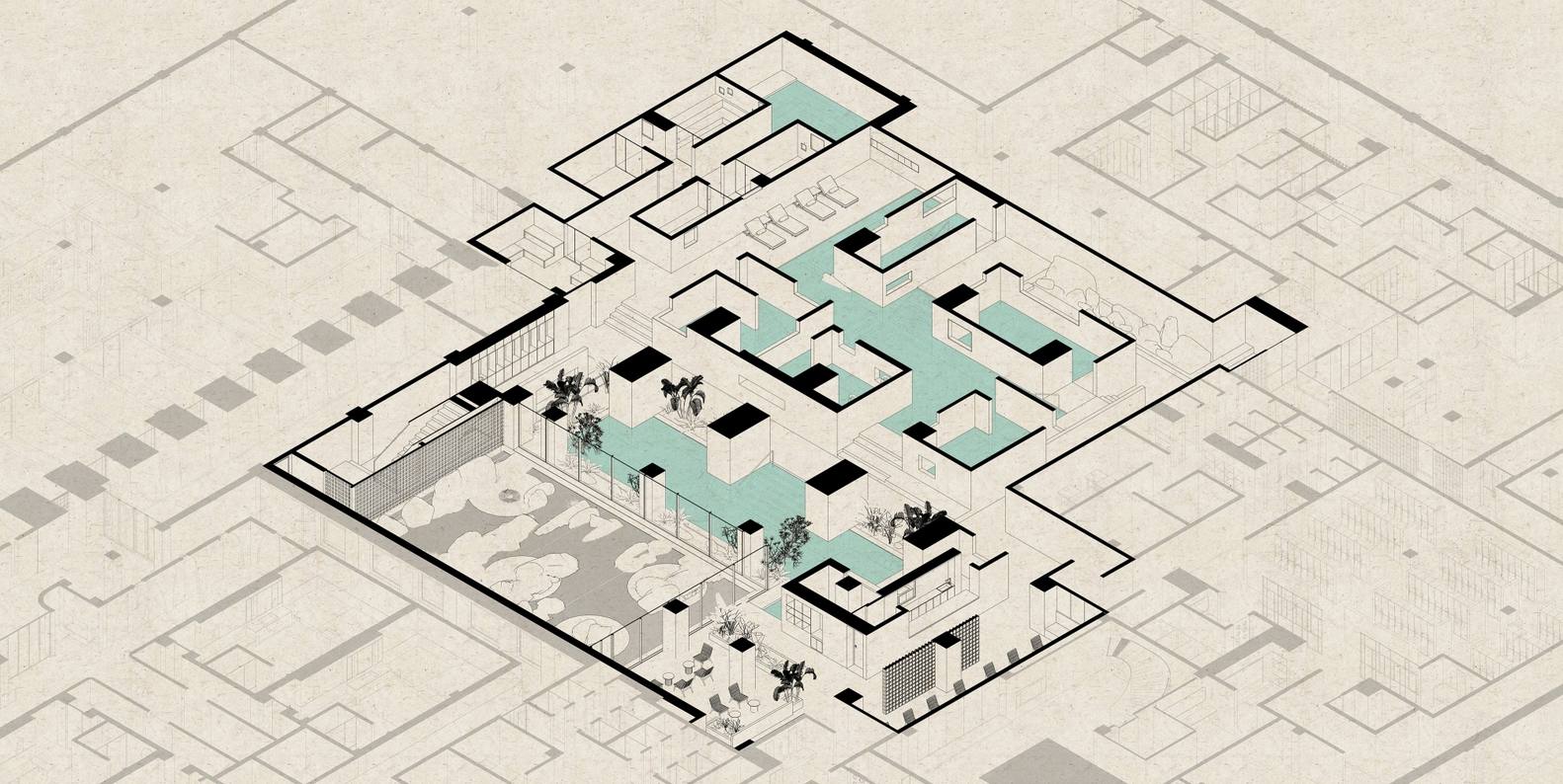
轴测图
© 金伟琦
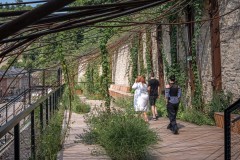
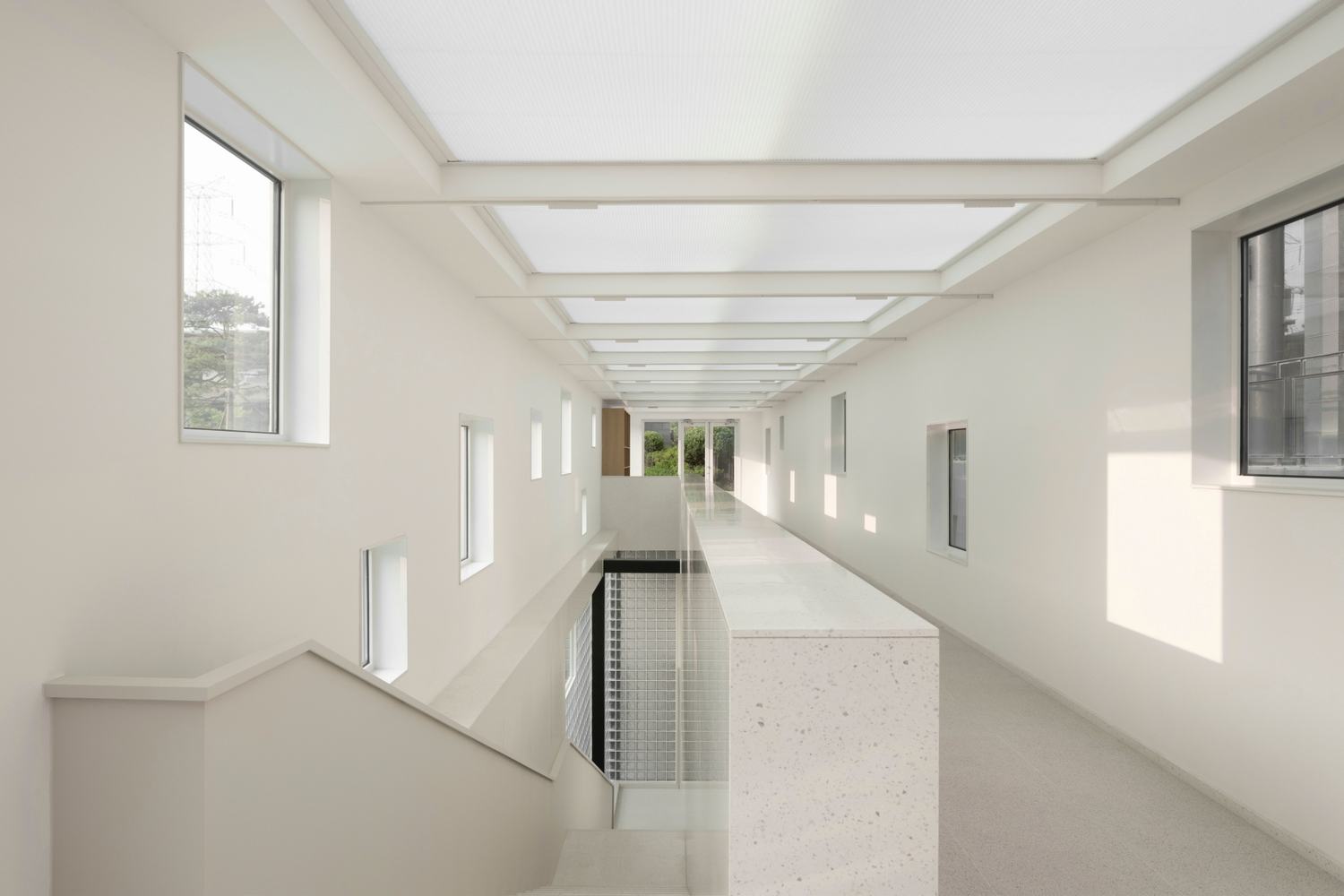
这片屋顶的拆除使空间被打开,天空光线洒落,曾经封闭的地下空间转化为下沉式户外景观庭院,成为引光入室的媒介。
© 金伟琦
© 金伟琦
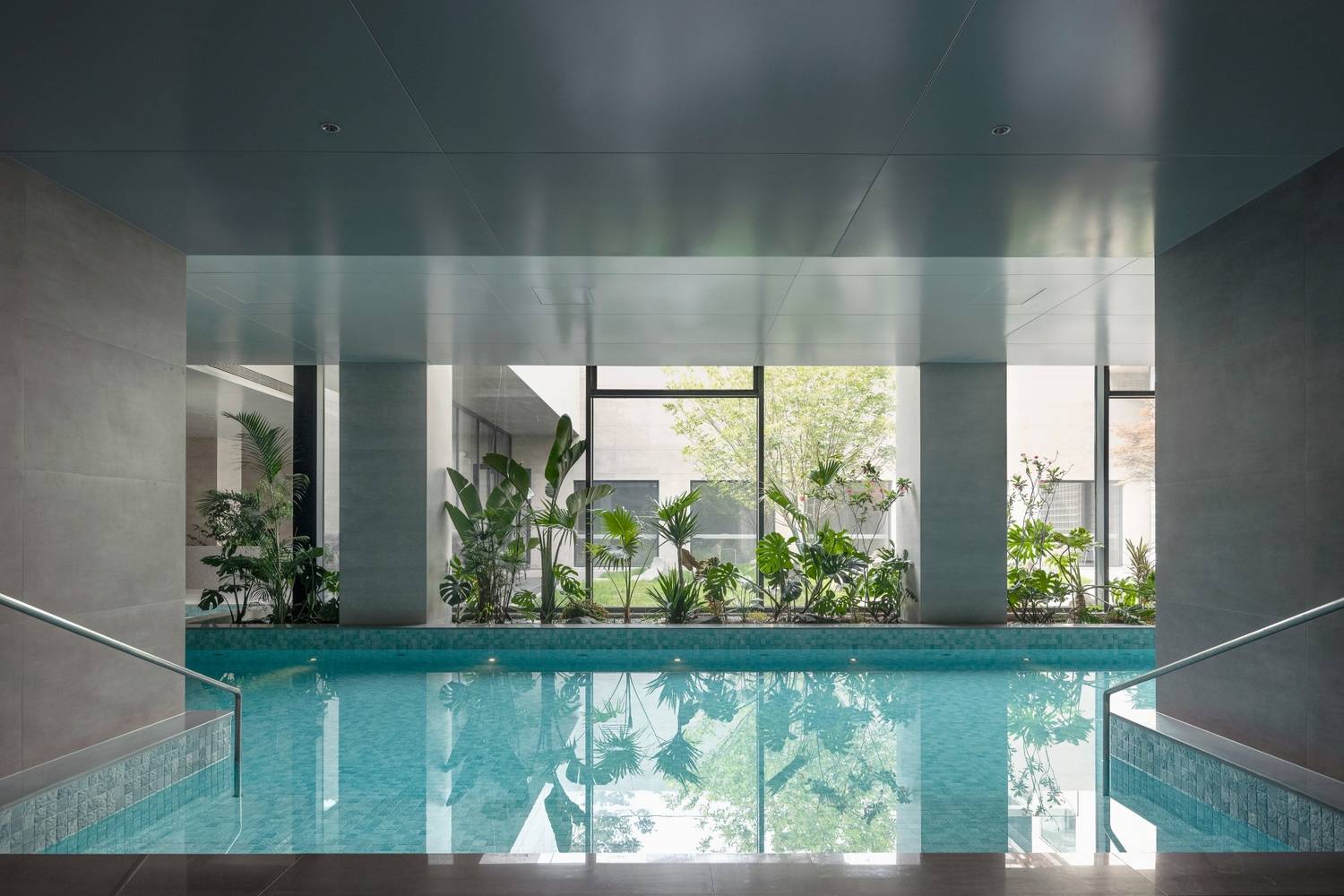
Natural light penetrates through the courtyard windows (newly defined indoor and outdoor boundaries), layer by layer seeping into the interior of the building, meeting with water, blending with the environment, and establishing a continuous connection with human perception - almost imperceptible, this was once a closed and dark underground space.
自然光穿透庭院景窗(新定义的室内外边界),层层渗入建筑内部,与水相遇、与环境融合,并与人的感知建立起持续的联系 —— 几乎让人察觉不到,这里曾是一处封闭幽暗的地下空间。
© 金伟琦
© 金伟琦
© 金伟琦
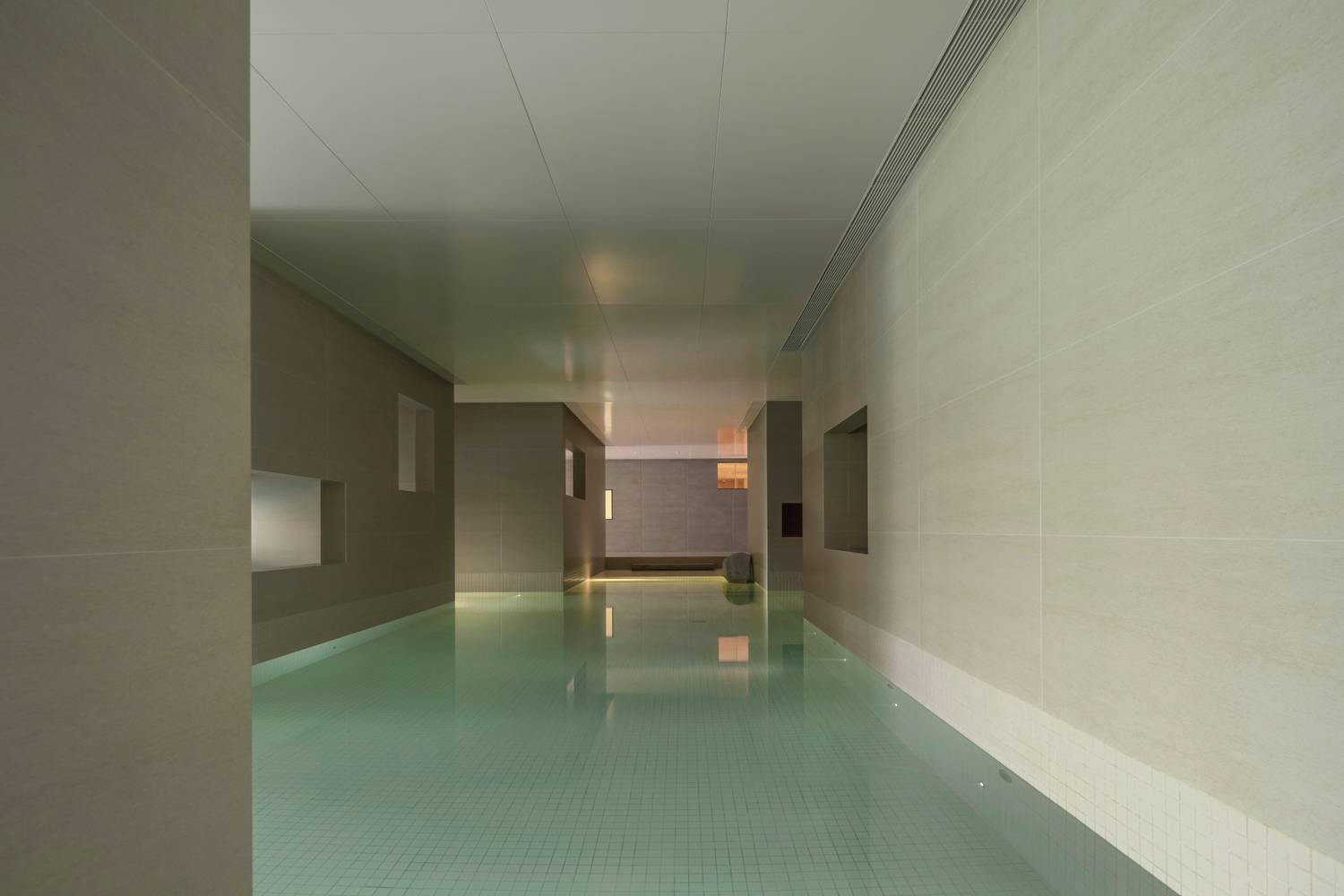
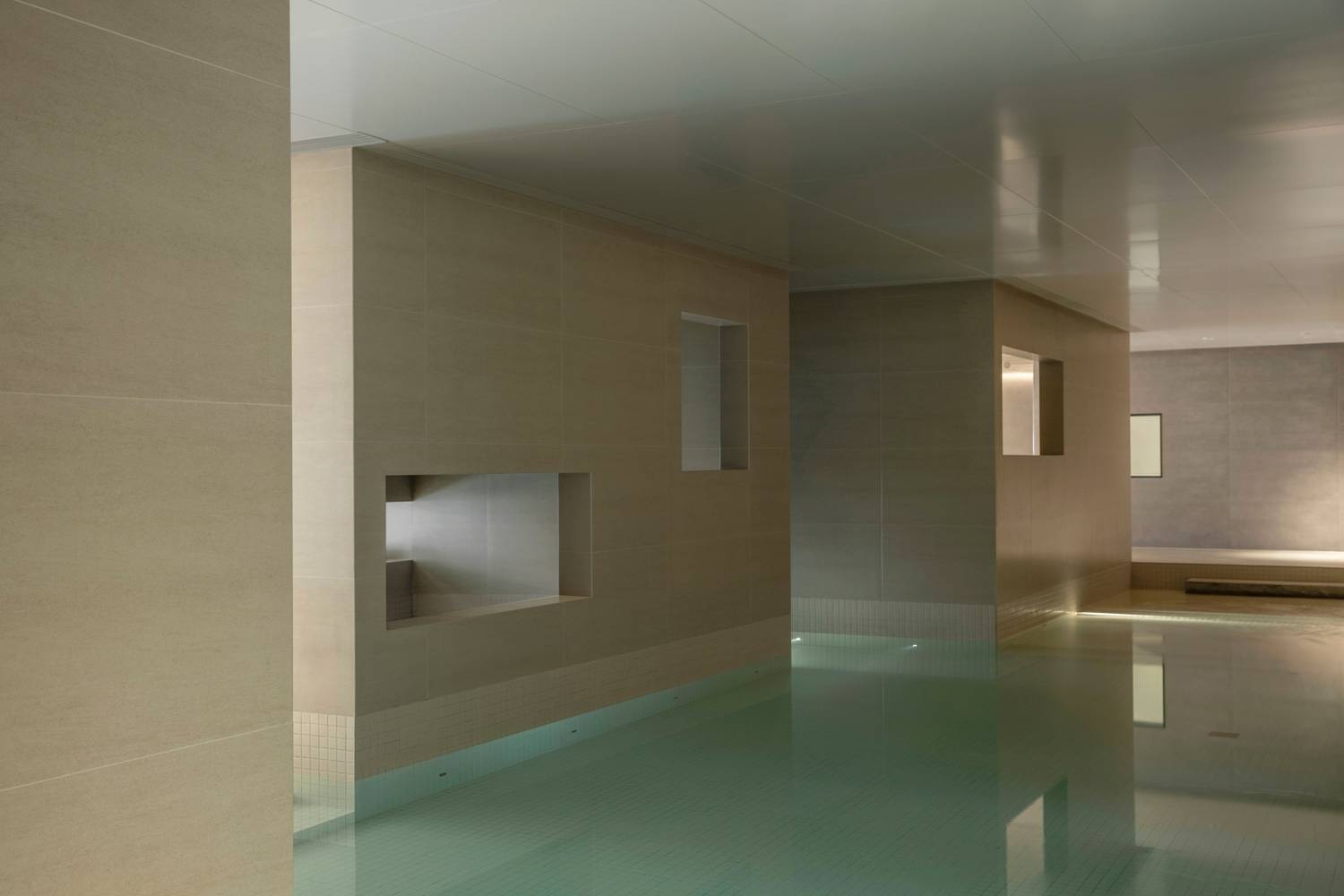
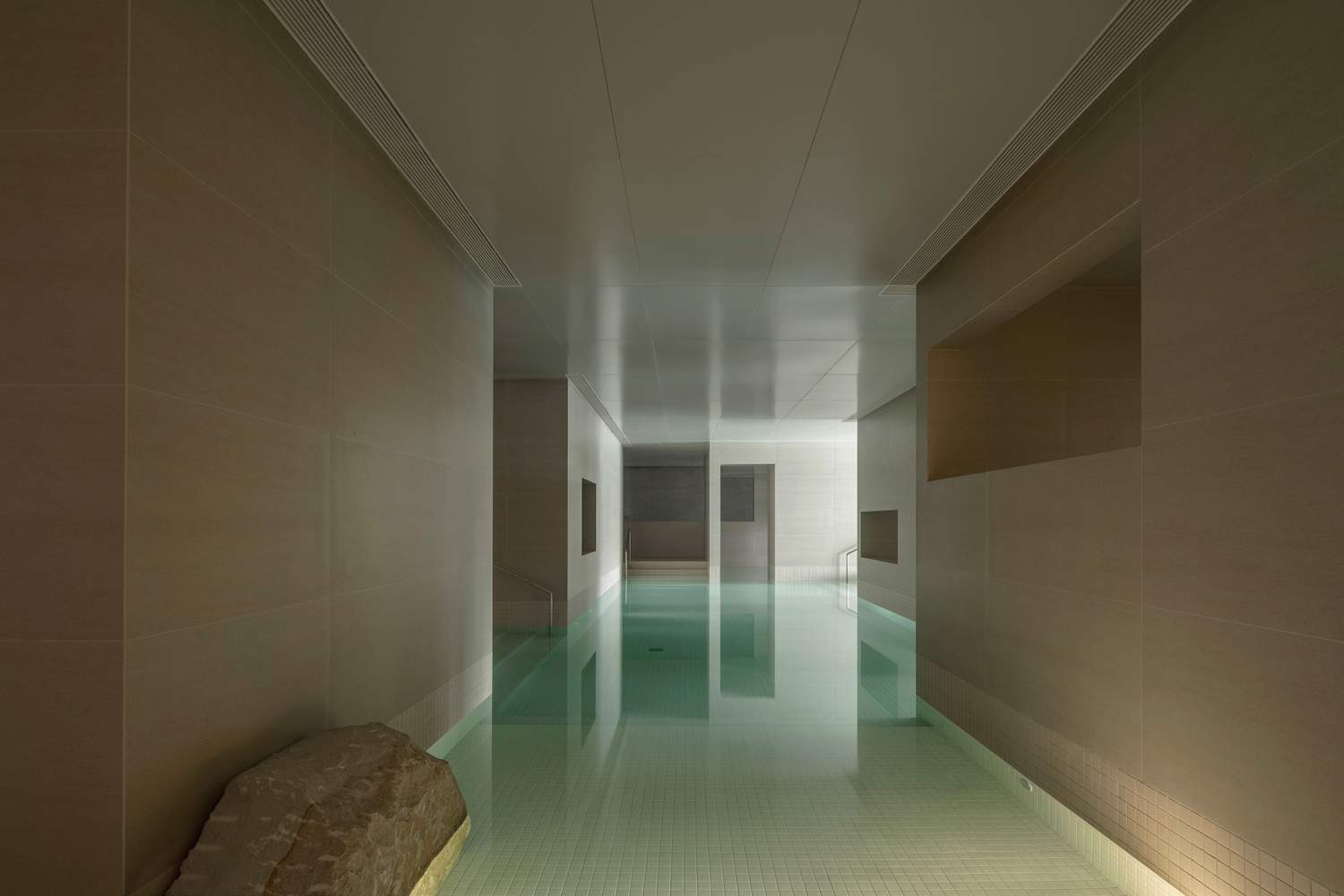
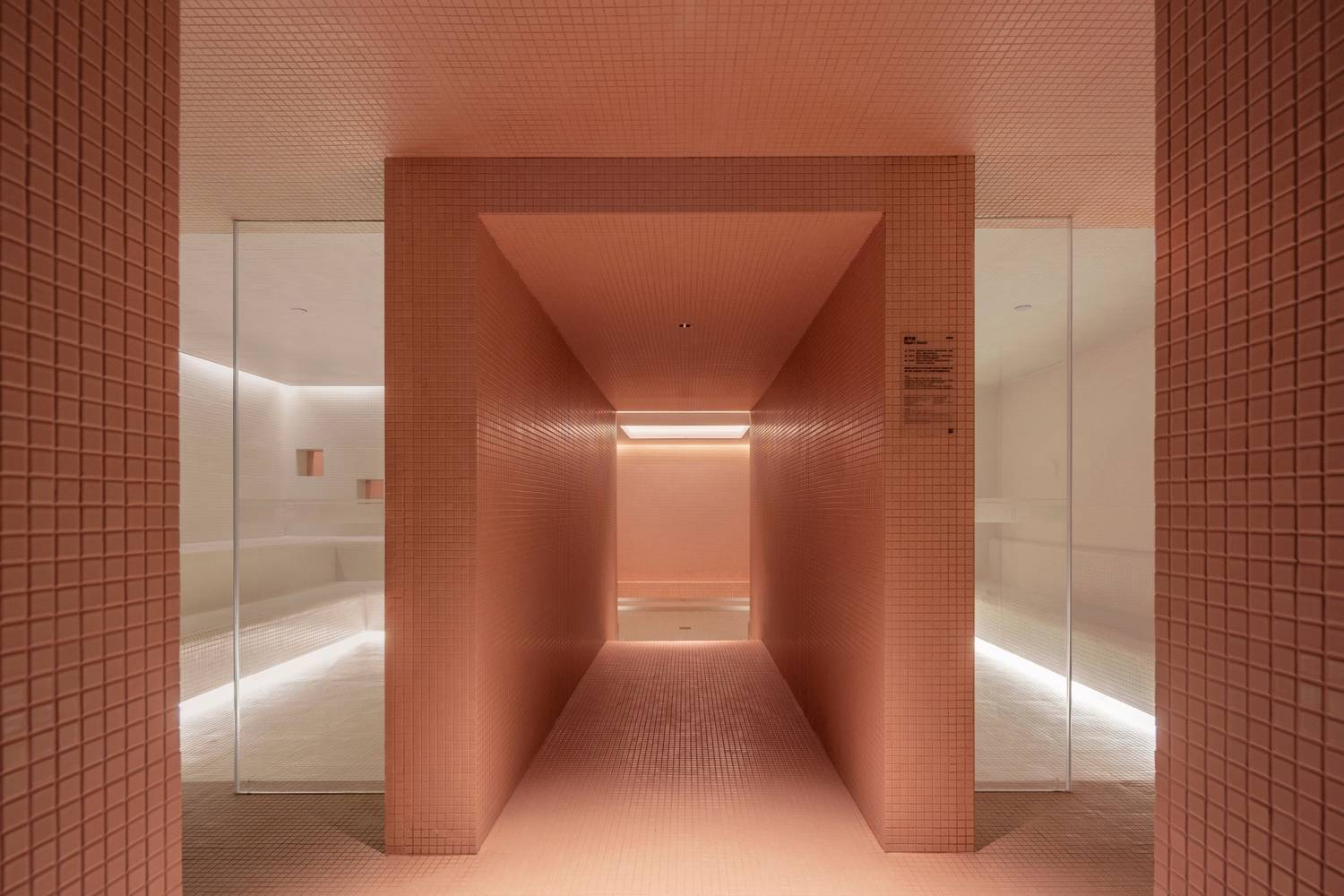
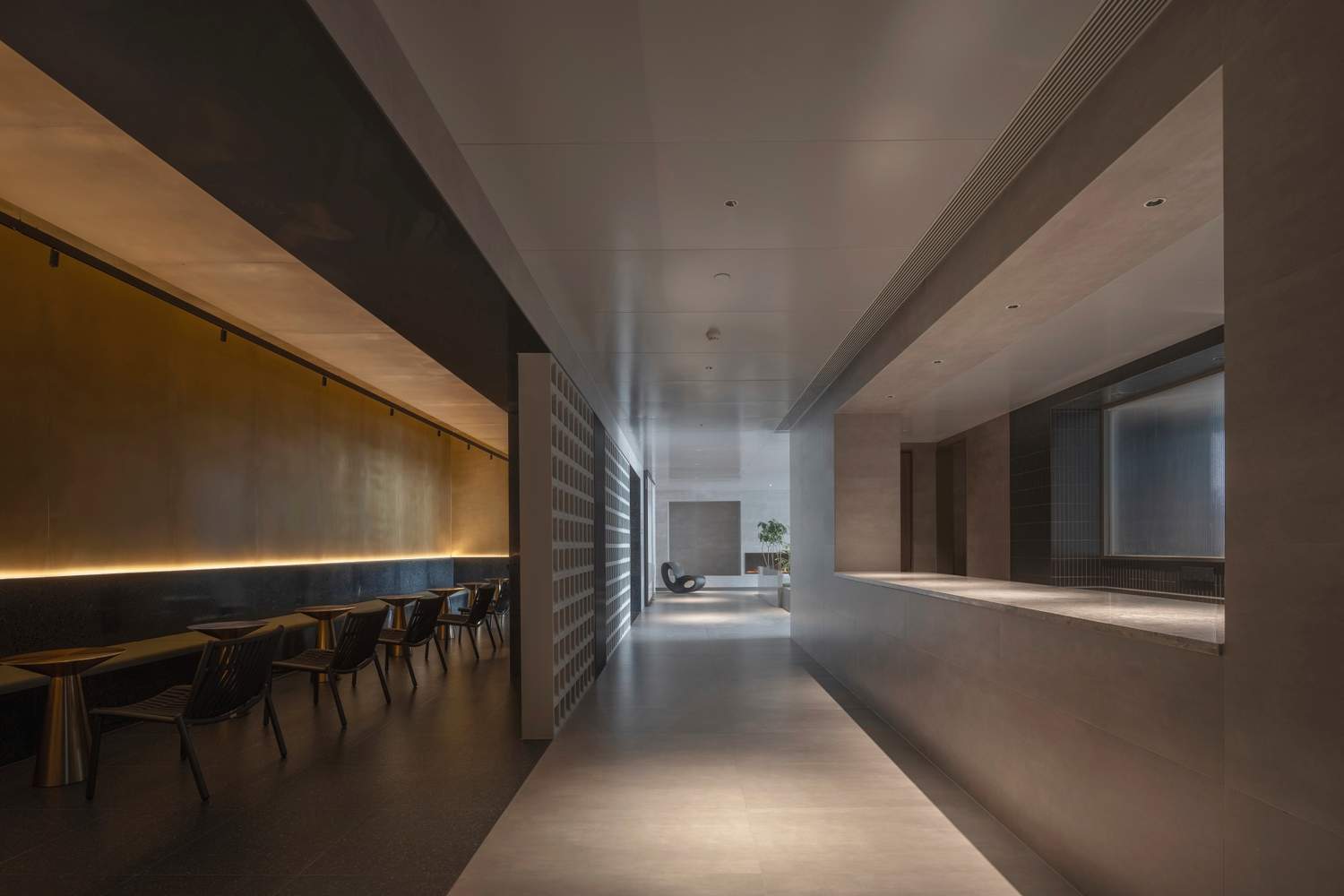
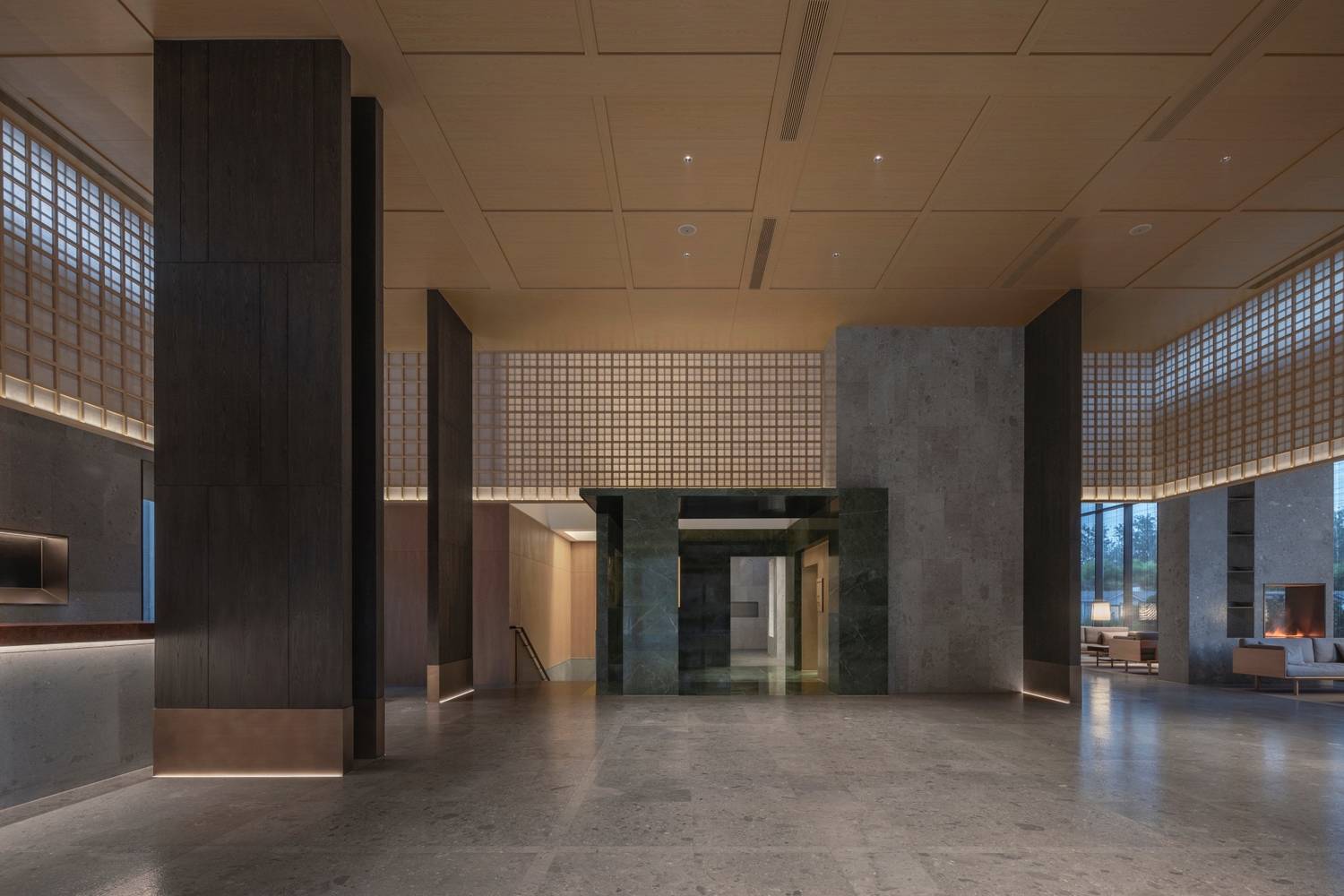
The sensory narrative based on the theme of "water" also unfolds, forming a progressive rhythm under the guidance of light - near the outdoor courtyard, there is a sunny landscape pool with a light atmosphere; Continuing deeper, the light gradually becomes softer, forming a more enclosed "water courtyard", quiet and gentle; In the deepest part, almost without light, dry and wet steaming and soaking pools are set up, making the space more restrained and inclusive, guiding people into a more private and immersive sensory experience world.
以“水”为线索的感官叙事也由此展开,在光的引导下形成阶段递进的节奏 —— 临近户外庭院,是阳光充沛的景观泡池,气氛轻盈;继续深入,光线渐趋柔和,构成一个围合感更强的“水院儿”,静谧而柔和;而在最深处,几近无光,设置干湿蒸与泡池,空间愈发内敛包容,引导人进入一个更为私密、沉浸的感官体验世界。
© 金伟琦
© 金伟琦